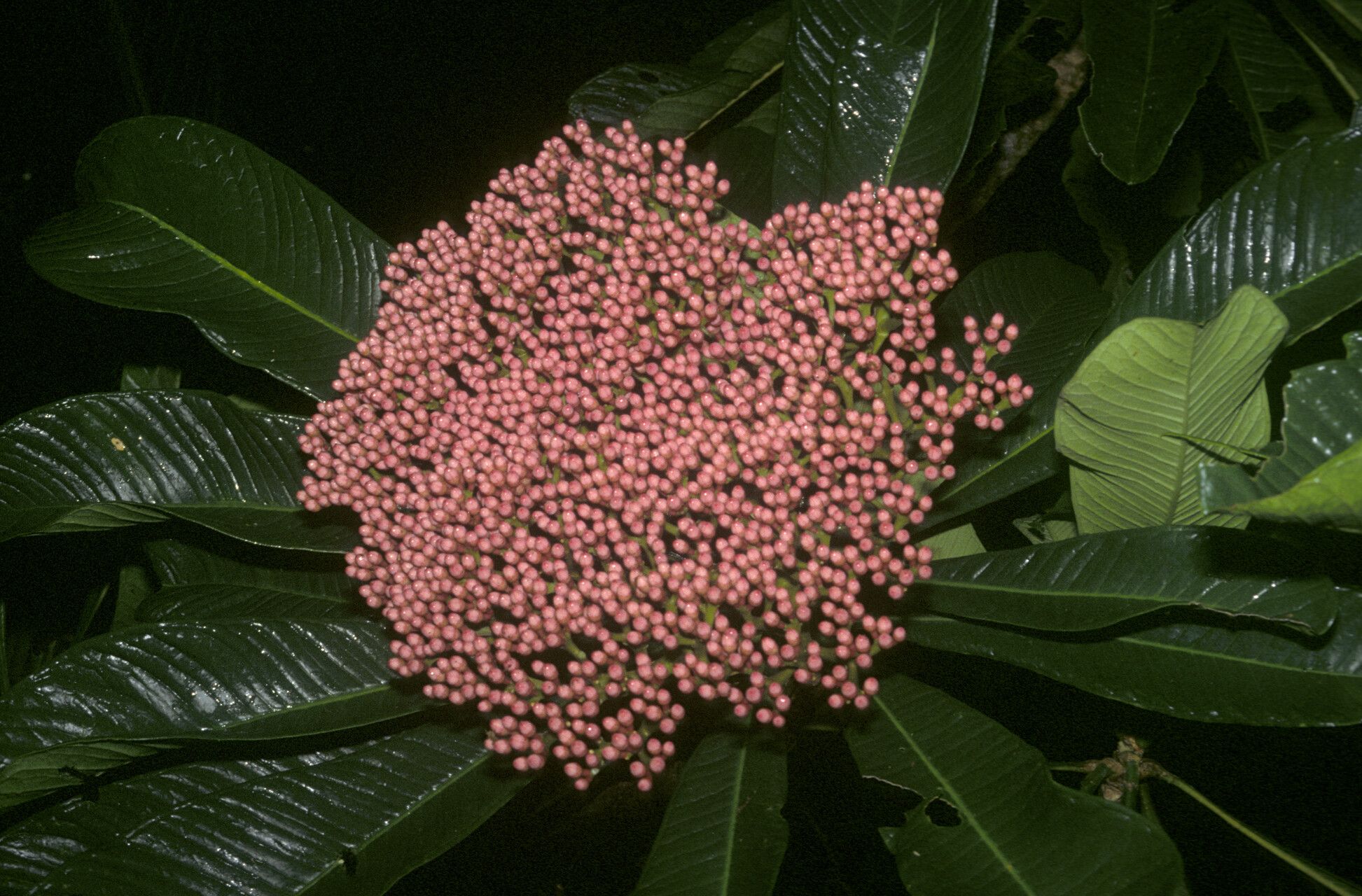
Oh, hello there! So glad you stopped by. Today, we’re diving into the delightful world of Hortia excelsa. If you’re looking for a plant that brings a touch of elegance with its striking foliage and rewarding blooms, you’ve found a winner. And the best part? Sharing this beauty with others, or simply expanding your own collection, is surprisingly achievable through propagation. Don’t worry if you’re new to this; Hortia excelsa is a pretty forgiving plant to work with, which makes it a gem for both seasoned gardeners and enthusiastic beginners alike.
When to Get Your Hands Dirty
The sweet spot for propagating Hortia excelsa is usually in the spring, or early summer. This is when the plant is actively growing and has the most energy to put into developing new roots. You’ll have the best luck taking cuttings from healthy stems that are neither too soft and new nor too old and woody. Think of it as capturing the plant at its peak vitality.
Your Propagation Toolkit
Gathering your supplies beforehand makes the whole process so much smoother, trust me. Here’s what you’ll want to have on hand:
- Sharp Pruning Shears or a Clean Knife: For making clean cuts.
- Rooting Hormone (Optional but Recommended): This really gives your cuttings a boost. Look for one specifically for stem cuttings.
- Well-Draining Potting Mix: A good blend is crucial. I often use a mix of equal parts perlite, peat moss, and a bit of coarse sand.
- Small Pots or Seedling Trays: Clean ones are a must to prevent disease.
- Plastic Bag or Clear Cloche: To create a humid environment.
- Watering Can with a Fine Rose: For gentle watering.
Bringing New Life: Propagation Methods
Hortia excelsa is wonderfully adaptable, and propagating it is often done successfully by taking stem cuttings. It’s a tried-and-true method that usually yields great results.
Here’s how we’ll do it:
- Select Your Cutting: Choose a healthy, mature stem that’s at least 4-6 inches long. Look for a section that has several sets of leaves.
- Make the Cut: Using your sharp shears or knife, make a clean cut just below a leaf node (where a leaf attaches to the stem). This is where roots are most likely to form.
- Prepare the Cutting: Gently remove the lower leaves from the stem, leaving the top two or three sets of leaves intact. You can also trim any larger leaves in half to reduce water loss.
- Apply Rooting Hormone (If Using): Dip the cut end of the stem into your rooting hormone, tapping off any excess.
- Potting Up: Fill your clean pots with your well-draining potting mix. Make a small hole in the center of the soil with your finger or a pencil.
- Planting the Cutting: Insert the cut end of the stem into the hole, ensuring the leaf nodes you removed are below the soil line. Gently firm the soil around the cutting.
- Watering: Water thoroughly but gently, allowing excess water to drain away. The soil should be moist, not soggy.
- Creating Humidity: Place a clear plastic bag over the pot, or use a cloche, to create a mini greenhouse effect. This helps keep the humidity high, which your cuttings will love. Make sure the leaves aren’t touching the plastic if possible.
My “Secret Sauce” for Success
Over the years, I’ve learned a few little tricks that can really make a difference. Here are a couple of my go-to tips for Hortia excelsa:
- Bottom Heat is Your Friend: If you have a propagation mat or even a sunny windowsill that gets a bit of warmth, placing your pots on it can significantly speed up root development. This gentle warmth mimics natural growing conditions and encourages robust root formation.
- Don’t Overwater, Ever: This is probably the most common mistake. While humidity is important, waterlogged soil is a death sentence for cuttings. Let the top layer of soil dry out slightly between waterings. It’s better to err on the side of slightly dry than too wet.
Aftercare and Troubleshooting
Once you start seeing signs of new growth, like tiny new leaves or tiny white nubs emerging from the soil, you know your cuttings are developing roots! At this point, you can gradually acclimate your new plant to normal indoor conditions by slowly opening up the plastic bag or cloche over a few days. Continue to water as needed, keeping the soil consistently moist but not saturated.
If your cuttings start to yellow and wilt, or develop mushy, dark spots, it’s a sign of rot. This is usually due to overwatering or poor air circulation. Don’t despair; just remove the affected cutting and try again, paying close attention to your watering habits and ensuring good drainage. A bit of trial and error is part of the gardening journey!
There you have it! Propagating Hortia excelsa is a rewarding adventure that lets you clone your favorite plants and share the joy. Be patient, don’t be afraid to get your hands dirty, and enjoy watching those little roots take hold. Happy propagating!
Resource:
https://identify.plantnet.org/k-world-flora/species/Hortia%20excelsa%20Ducke/data