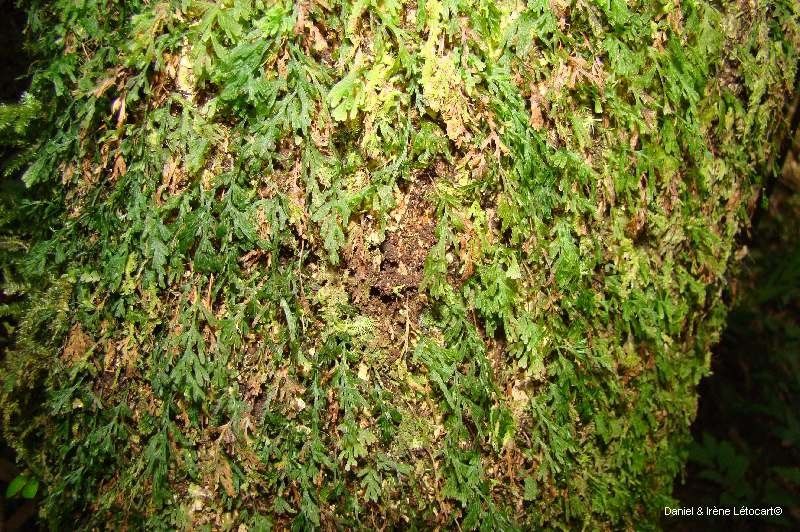
Hello fellow plant lovers! If you’ve ever been captivated by the delicate, almost ethereal fronds of Trichomanes humile, you know its charm. This little fern, often found gracing terrariums with its lush greenery, is a joy to behold. And the wonderful thing about many ferns, including this beauty, is that you can often grow more of them from your existing plants. It’s a truly satisfying endeavor, a little bit of plant magic right in your own home. Now, I won’t lie to you, Trichomanes humile can be a tad on the sensitive side, so while not impossible for a beginner, patience and attention to detail are your best friends here.
The Best Time to Start
For the highest chance of success, I find propagation works best during the plant’s active growing season. This is typically from late spring through early summer, when the plant has plenty of energy to put into developing new roots and shoots. You’re looking for healthy, vigorous growth on your established Trichomanes humile. Avoid propagating when the plant is stressed or dormant.
Supplies You’ll Need
Gathering your tools before you begin makes the whole process smoother. Here’s what you’ll want to have on hand:
- Sharp, clean pruning shears or a sharp knife: For making clean cuts.
- A well-draining potting mix: I like a blend of peat moss, perlite, and orchid bark for ferns.
- Small pots or trays: For the new cuttings.
- A clear plastic bag or a humidity dome: To maintain high humidity around your cuttings.
- Watering can with a fine rose or a spray bottle: For gentle watering.
- Optional: Rooting hormone powder: While not always strictly necessary for Trichomanes humile, it can sometimes give cuttings a nice boost.
Propagation Methods
Trichomanes humile is most commonly propagated through division or by taking small divisions of the rhizome. Because it forms a creeping rhizome, it’s not really a candidate for typical stem cuttings or leaf cuttings in the way some other plants are.
Method: Rhizome Division
This is my go-to for Trichomanes humile. It’s like giving your plant a little haircut and getting new plants in the process!
- Gently remove the parent plant from its pot. Turn it out onto a clean surface.
- Inspect the rhizome. This is the fleshy, creeping stem that the fronds grow from. You’ll likely see where it’s naturally starting to branch or where you can carefully tease it apart.
- Using your clean pruning shears or knife, carefully separate a section of the rhizome. Make sure the section you’re taking has at least one or two healthy fronds and some visible root structures attached to the rhizome.
- Prepare your new pots. Fill them with your prepared fern mix.
- Plant the divided rhizome section. Nest the rhizome part just below the surface of the soil, with the fronds pointing upwards. Gently firm the soil around it.
- Water thoroughly but gently. You want the soil to be moist but not waterlogged.
- Create a humid environment. Place the pot inside a clear plastic bag, sealing it loosely, or cover it with a humidity dome. This is crucial for Trichomanes humile cuttings.
The “Secret Sauce” (Pro Tips)
Over the years, I’ve learned a few tricks that make a world of difference with these moisture-loving ferns.
- Don’t over-pot. Use small pots for your divisions. A tiny plant in a huge pot is more prone to staying too wet and developing rot. As it grows, you can always pot it up.
- Go easy on the rooting hormone. For Trichomanes humile, sometimes using too much rooting hormone powder can actually hinder rooting or even cause rot. If you use it, just a very light dusting is usually sufficient. Honestly, I often skip it for this fern.
- Mimic its natural habitat. These ferns love consistent moisture and high humidity. Think about how they grow in nature, often on mossy rocks or damp soil. That’s the environment you want to replicate for your new cuttings.
Aftercare & Troubleshooting
Once your divisions are planted and nestled cozily in their humid environment, patience is key.
- Keep the soil consistently moist. You shouldn’t be letting it dry out completely, but also don’t let it become a swamp. Check regularly.
- Monitor humidity. If the plastic bag is getting too much condensation, open it for a few hours to allow for some air circulation.
- Watch for new growth. You’ll know your cutting is happy when you start to see new, tiny fronds unfurling. This can take anywhere from a few weeks to a couple of months.
- Signs of trouble: The most common issue is rot. If your fronds start to turn yellow, mushy, or black, it’s usually a sign of overwatering or not enough air circulation. If you see this, try to increase airflow and ensure the soil isn’t soggy. Sometimes, you might not see any new growth. This can happen if the division wasn’t viable or if conditions weren’t quite right. Don’t be discouraged if not every attempt is a success!
So there you have it! Propagating Trichomanes humile might require a little extra care, but the reward of watching a new plant emerge is truly special. Be patient, observe your plant, and enjoy the journey. Happy growing!
Resource:
https://identify.plantnet.org/k-world-flora/species/Trichomanes%20humile%20G.Forst./data