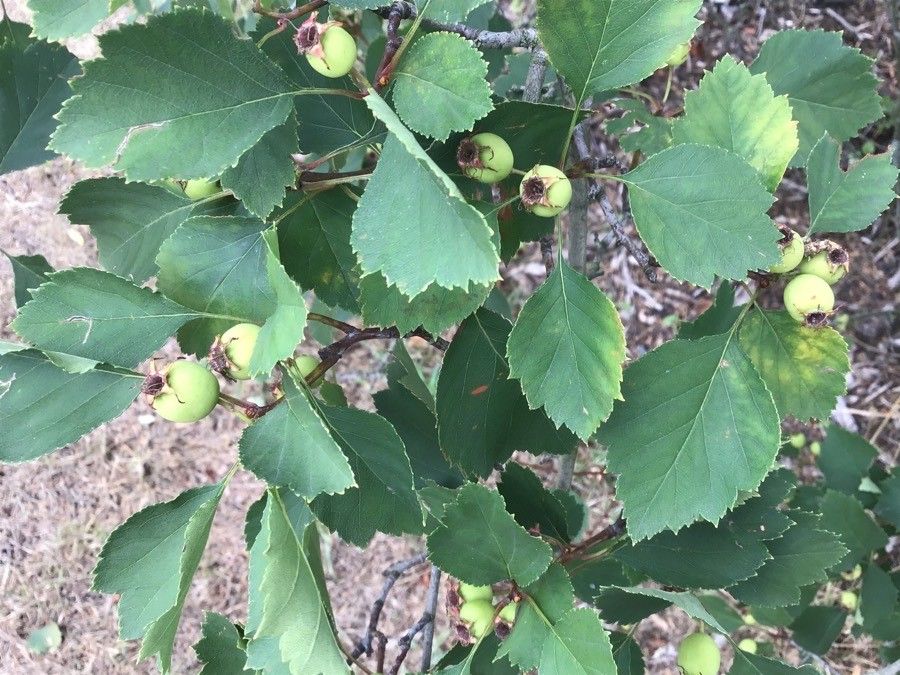
Hello fellow garden enthusiasts! It’s so lovely to connect with you all again. Today, we’re diving into the wonderful world of Crataegus intricata, or what I affectionately call our tangled beauty. This hawthorn, with its charming, intricate branching and lovely spring flowers, often followed by a delightful display of berries, is a real charmer in any garden. And let me tell you, propagating your own from a favorite specimen is incredibly rewarding. It’s a process that requires a little patience, but I’ve found it’s generally quite forgiving, even for those just starting their propagation journey.
The Best Time to Start
For Crataegus intricata, my go-to time for propagation is late spring to early summer. This is when the plant is actively growing, and the stems have started to “harden off” just a bit. We’re looking for what we call semi-ripe cuttings. They’re not brand new, flimsy growth, but they haven’t become tough and woody yet either. This sweet spot gives them the best chance to develop roots.
Supplies You’ll Need:
- Sharp pruning shears or a clean knife: For taking precise cuttings.
- Small pots or trays: With drainage holes, of course!
- Rooting hormone: A powder or gel will do. It really gives your cuttings a boost.
- Well-draining potting mix: I like a blend of equal parts peat moss, perlite, and coarse sand. This keeps things airy and prevents soggy soil.
- Clear plastic bags or a propagator: To create a humid environment.
- Watering can with a fine rose: Gentle watering is key.
- Labels: To keep track of what you’ve planted.
Propagation Methods
Let’s get our hands dirty! Here are a couple of methods that work beautifully for Crataegus intricata.
Stem Cuttings: My Favorite for This Beauty
- Take Your Cuttings: In late spring or early summer, find a healthy, non-flowering shoot. Using your sharp shears, take cuttings that are about 4-6 inches long. Make a clean cut just below a leaf node (where a leaf joins the stem). This is important because roots often form from these nodes.
- Prepare the Cuttings: Gently remove the leaves from the bottom half of the cutting. If the remaining leaves are quite large, you can even snip them in half to reduce water loss.
- Apply Rooting Hormone: Dip the cut end of the stem into your rooting hormone, shaking off any excess.
- Plant the Cuttings: Fill your pots or trays with your prepared potting mix. Make a small hole with a pencil or your finger and insert the cutting, firming the soil gently around it. I usually plant several cuttings in one pot, ensuring they have a little space between them.
- Water Gently: Water thoroughly until the mix is evenly moist but not waterlogged.
- Create Humidity: Cover the pot or tray with a clear plastic bag or place it in a propagator. This traps moisture and keeps the cuttings from drying out while they establish roots. Make sure the leaves aren’t touching the plastic, if possible.
Water Propagation (Less Common for Hawthorns, but Worth a Shot!)
If you’re feeling adventurous, you can try rooting a few cuttings in water. Take similar cuttings as described above. Remove all but the top few leaves. Place the cuttings in a clean jar or vase filled with clean water, ensuring no leaves are submerged. Change the water every few days. Once you see healthy roots forming (usually after a few weeks), you can carefully transplant them into your potting mix. This method is a great way to see the roots developing, which is quite satisfying!
The “Secret Sauce” (Pro Tips)
Here are a few little tricks I’ve learned over the years that tend to make a big difference:
- Bottom Heat is Your Friend: If you have a heat mat, placing your propagation tray on it provides consistent, gentle warmth from below. This warmth really encourages root formation. It’s like a cozy little spa day for your cuttings!
- Don’t Be Afraid to Dip: When using rooting hormone, don’t just lightly dust the end. Get it a good coating on that bottom inch or so. The more surface area that has access to the hormone, the better the chances for robust root development.
- Patience with Leaf Drop: It’s completely normal for a cutting to drop a leaf or two. Don’t panic! This is the plant signaling it’s conserving energy. As long as the stem itself looks green and healthy, there’s still hope.
Aftercare & Troubleshooting
Once you start seeing tiny roots emerging from the drainage holes, or if your cuttings show new leaf growth, it’s a good sign! At this point, you can start to gradually increase ventilation by opening the plastic bag a little more each day. Once they’re actively growing, you can carefully transplant them into individual pots using a good quality potting mix. Keep them in a bright, but not direct, sunny spot and water them regularly.
The most common issue you’ll encounter is rot. This usually happens when the soil is too wet or the humidity is too high for too long without adequate airflow. If you see stems turning black or mushy, unfortunately, that cutting is likely lost. Don’t get discouraged! Just pull it out, ensure the remaining soil is draining well, and reduce the watering frequency.
A Encouraging Closing
Growing your own plants is such a rewarding endeavor. It connects you to the cycles of nature and fills your garden with plants that are truly yours. Propagating Crataegus intricata might take a little time, and you might have a few failures along the way, but every gardener does! Just keep at it, enjoy the process of learning, and soon you’ll have a whole new generation of tangled beauties gracing your garden. Happy propagating!
Resource:
https://identify.plantnet.org/k-world-flora/species/Crataegus%20intricata%20Lange/data