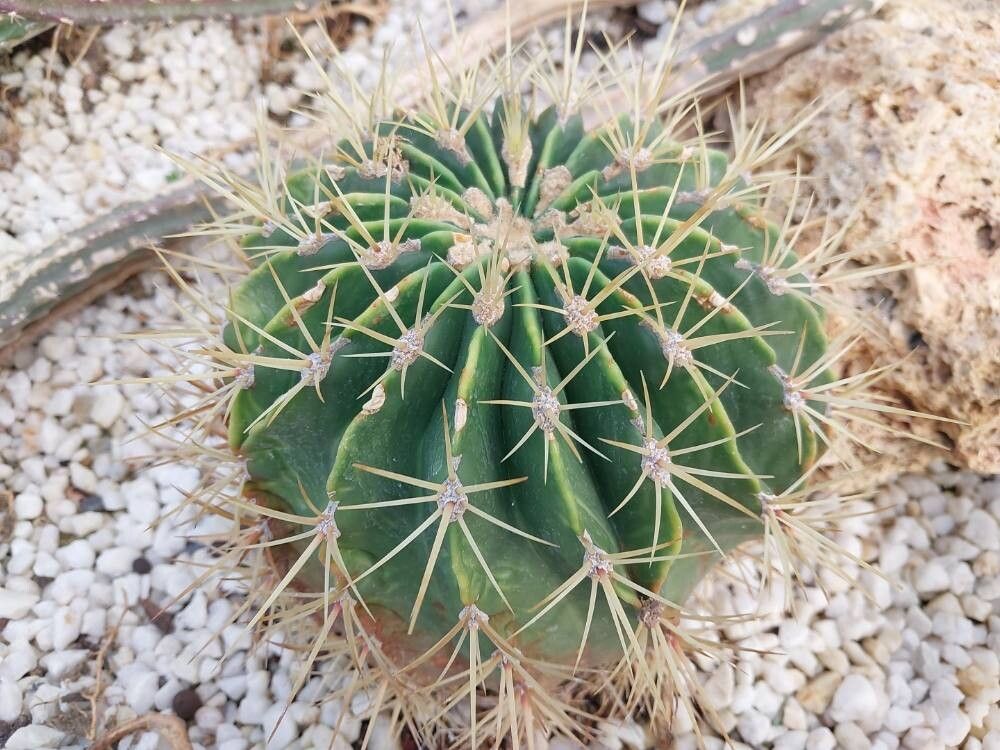
Oh, hello there! So glad you popped by for a chat about our beloved Ferocactus histrix. These barrel cacti are just magnificent, aren’t they? With their sturdy bodies and those striking spines, they have a way of commanding attention in any succulent collection. Growing them from a tiny pup or a cutting feels like a real accomplishment, a little piece of your garden flourishing and expanding. It’s a wonderfully rewarding endeavor, letting you multiply the beauty you already enjoy. Now, I wouldn’t call Ferocactus histrix a beginner-level propagation project, but with a little care and patience, it’s absolutely achievable for most budding succulent enthusiasts.
The Best Time to Start
My favorite time to get busy with propagation is when the plants are actively growing, which typically means late spring through summer. You’ll find that cuttings or offsets taken during this period have the best energy reserves to establish themselves and root quickly. Avoid propagating when the plant is dormant in cooler months; you’ll often end up with disappointment.
Supplies You’ll Need
Here’s a little checklist of what I keep handy when I’m propagating:
- Well-draining potting mix: I usually go for a cactus and succulent blend, but I often amend it with extra perlite or pumice for even better drainage. Think grit!
- Sharp, clean pruning shears or a knife: Sterilize them with rubbing alcohol to prevent disease.
- Rooting hormone (optional but recommended): A powdered hormone can give your cuttings a helpful boost.
- Pots or trays: These should have drainage holes, of course. Small terracotta pots are my go-to.
- Gloves: Those spines are serious business!
- A fine-tipped watering can or spray bottle: For gentle watering.
- Heat mat (optional but very helpful): Especially if your propagation area tends to be on the cooler side.
Propagation Methods
For Ferocactus histrix, we’re primarily looking at two main routes: using offsets (pups) and taking stem cuttings.
Method 1: Propagating from Offsets (Pups)
This is often the easiest and most successful method for cacti. You’ll notice smaller baby plants, called offsets or pups, growing at the base of your mature Ferocactus histrix.
- Gently separate the pup: Carefully unearth the soil around the base of the pup, trying not to disturb the mother plant too much. Use your sterilized knife or shears to cut the pup away from the main stem, ensuring you get a clean cut with some of its own root base if possible.
- Let it callus: This is crucial! Place the separated pup in a dry, shaded spot for several days to a week. You want the cut end to dry out and form a protective callus. This prevents rot when you plant it.
- Planting time: Once callused, you can plant your pup in a small pot filled with your well-draining soil mix. Don’t bury it too deeply; just enough to keep it upright.
- Resist watering immediately: I wait at least a week, sometimes two, before giving it its first light watering. This gives any tiny, damaged root hairs a chance to heal.
Method 2: Propagating from Stem Cuttings
This method is a bit more involved and requires a bit more patience, but it’s a great way to propagate if you’re reshaping or managing a larger plant.
- Take the cutting: Using your sterilized shears, cut a section of the Ferocactus histrix. Make a clean cut, aiming for a healthy-looking piece. Again, let the cut end callus completely for at least a week, or even two, in a dry, airy location. Don’t rush this step!
- Prepare the pot: Fill a small pot with your gritty potting mix and lightly moisten it.
- Plant the cutting: Gently insert the callused end of the cutting into the soil, just enough to stand firm.
- Provide warmth and light: Place the pot in a warm, bright location, but out of direct, harsh sunlight. A spot on a windowsill with indirect light is usually perfect.
The “Secret Sauce” (Pro Tips)
Here are a few little tricks I’ve learned over the years that really help:
- Bottom Heat is Your Friend: For both pups and cuttings, placing the pot on a gentle heat mat can significantly speed up root development. It mimics the warmth of summer soil – a little bit of cozy encouragement for those roots to emerge.
- Don’t Drown Your Dreams: When you do start watering, be incredibly sparing. Cacti hate soggy feet. I prefer to wait until the soil is bone dry, then water lightly. Some growers even recommend misting the soil lightly rather than watering deeply initially for cuttings.
- Patience is a Virtue (Seriously): I know it’s tempting to poke and prod, but leave your newly planted cuttings or pups alone as much as possible. You’ll know they’re rooting when you see new growth or when the cutting feels firmly anchored in the soil.
Aftercare & Troubleshooting
Once you see signs of new roots or growth, you can gradually introduce your new Ferocactus histrix to more regular watering, still making sure the soil dries out completely between waterings. Still, be gentle with it; it’s still a baby!
The biggest enemy here is rot. If the cutting or pup looks mushy, discolored, or just slumps over, it’s likely rot has set in. This is usually due to overwatering or not allowing the cutting to callus properly. If you catch it early, you might be able to salvage it by cutting away the rotted parts and letting the healthy section callus again, but sadly, it’s often a sign that the propagation attempt has failed.
A Encouraging Closing
So, there you have it! Propagating Ferocactus histrix is a journey, and like all good gardening adventures, it’s about learning, adapting, and enjoying the process. Don’t get discouraged if your first attempt isn’t perfect; every gardener has had their share of crispy cuttings. Just know that with a little care and the right timing, you too can multiply the joy these magnificent cacti bring to your home. Happy propagating!
Resource:
https://identify.plantnet.org/k-world-flora/species/Ferocactus%20histrix%20(DC.)%20G.E.Linds./data