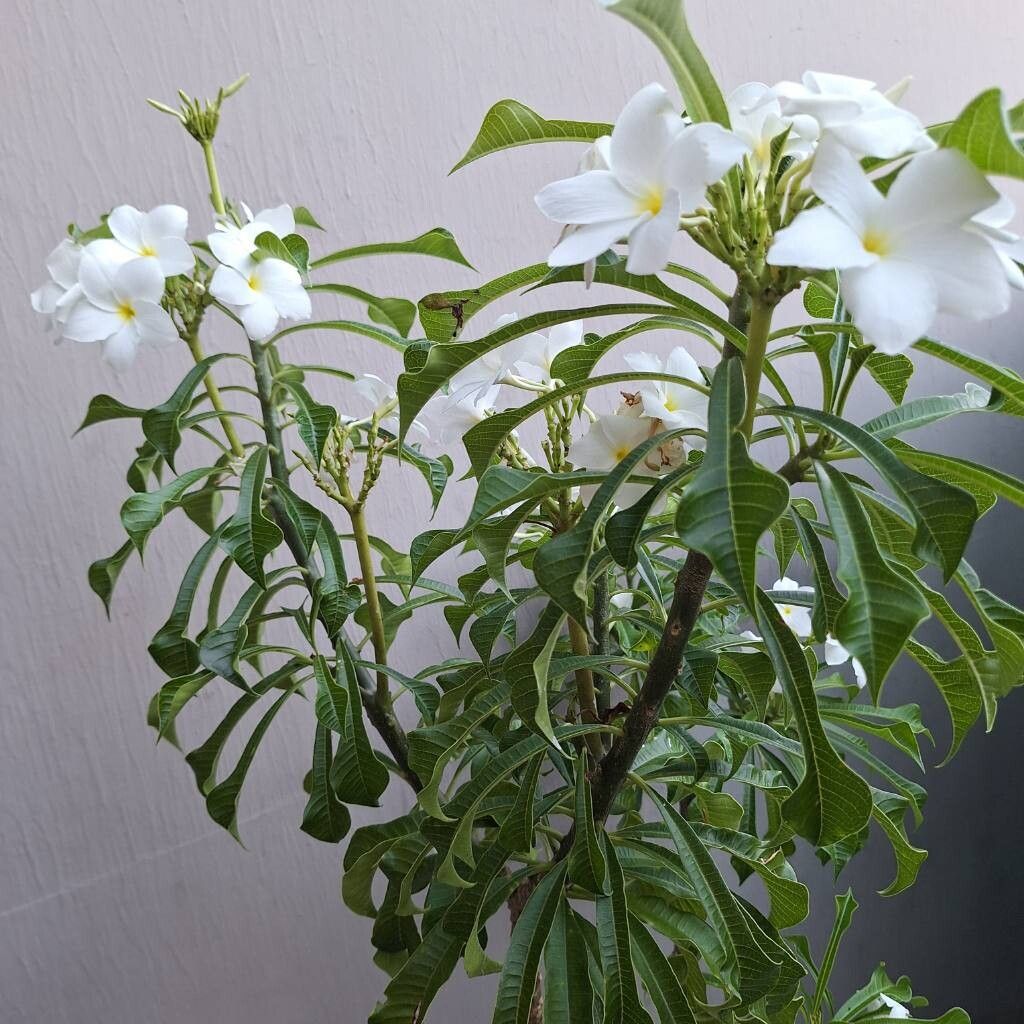
Oh, hello there! I’m so glad you stopped by. Today, we’re diving into the delightful world of Plumeria pudica, or as I affectionately call her, the “Naked Lady” plumeria. If you’ve ever admired those gorgeous, glossy leaves and the promise of stunning flowers (even if it takes a little while for this one to bloom!), you’re in for a treat. Propagating these beauties is a truly rewarding journey, and I’m thrilled to share my secrets with you. Honestly, I find Plumeria pudica to be quite forgiving, making it a wonderful plant for those just starting their propagation adventures.
The Best Time to Start
Alright, let’s talk timing. For the absolute best success with your Plumeria pudica cuttings, you want to start in the warmer months. Think late spring or early summer. This is when the plant is actively growing, and those cuttings have the most energy to push out roots. Waiting until the plant is actively producing new growth is key. Don’t try to propagate in the dead of winter – you’ll just be disappointed.
Supplies You’ll Need
Gathering your supplies beforehand makes the whole process so much smoother. Here’s what you’ll want to have on hand:
- Pruning Shears or a Sharp Knife: Make sure they are clean and sterilized to prevent disease.
- Rooting Hormone: This is helpful, though not always strictly necessary for Plumeria pudica. I prefer the powder kind.
- Well-Draining Potting Mix: A cactus or succulent mix works beautifully, or you can create your own by mixing equal parts perlite and a good quality potting soil.
- Small Pots or Containers: Individual pots are ideal, ensuring each cutting has its own space. Drainage holes are non-negotiable!
- Gravel or Small Stones (optional): for the very bottom of pots if you’re concerned about drainage, though a good mix is usually enough.
- Water (for water propagation): Clean, room-temperature water.
- Clear Glass Jars or Vases (for water propagation): To see those roots develop!
- Plastic Bags or a Propagator (optional): To create a humid environment.
Propagation Methods
Let’s get our hands dirty! Plumeria pudica is wonderfully amenable to a couple of straightforward propagation methods.
Stem Cuttings: My Go-To Method
This is how I usually start most of my Plumeria pudica plants. It’s reliable and gives you a sturdy new plant.
- Take Your Cutting: In late spring or early summer, select a healthy stem that has at least 2-3 sets of leaves. Using your sterilized pruners or knife, make a clean cut at least 6 inches long. Try to get a cutting with at least two nodes (where leaves emerge).
- Let it “Cure”: This is a crucial step! You need to let the cut end dry out and callus over. This prevents rot. I usually leave the cuttings in a shady spot for 3-7 days until the cut end looks dry and sealed.
- Apply Rooting Hormone: Once callused, dip the cut end into your rooting hormone powder, tapping off any excess.
- Plant Your Cutting: Fill your pots with your well-draining mix. Make a small hole in the center, large enough for the callused end of your cutting. Insert the cutting, ensuring at least one node is buried in the soil. Gently firm the soil around it.
- Water Lightly: Water the soil just enough to settle it around the cutting. You don’t want it soggy.
- Provide Humidity (Optional but helpful): You can cover the pot with a clear plastic bag, making sure the bag doesn’t touch the leaves, to create a mini-greenhouse. I use a clip to keep the bag from collapsing.
Water Propagation: Watching Roots Grow!
This method is so satisfying because you can visually see the roots form.
- Prepare Your Cutting: Follow steps 1 and 2 above to take and cure your cutting.
- Place in Water: Fill a clean glass jar or vase with room-temperature water. Crucially, ensure that no leaves are submerged in the water. This will cause them to rot.
- Location, Location: Place the jar in a warm spot with bright, indirect light.
- Change Water Regularly: Change the water every few days to keep it fresh and prevent bacterial growth.
The “Secret Sauce” (Pro Tips)
Here are a few things I’ve learned over the years that really help give your cuttings the best chance.
- The “Cure” is King: I cannot stress this enough. Letting those cuttings callus over properly is the single biggest factor in preventing rot, especially in humid environments. If you’re in a very humid climate, leave them to cure for a full week, maybe even eight days.
- Bottom Heat is Your Friend: If you can, a little warmth from below can dramatically speed up root formation. A seedling heat mat placed under your pots is fantastic for this. Think of it as giving your cuttings a cozy, warm bed to sprout from.
- Don’t Fuss Too Much: Resist the urge to constantly tug on your cuttings to see if they have roots, especially if you’re using soil. You’ll damage any tiny roots that are forming. Patience is truly a virtue here!
Aftercare & Troubleshooting
Once your cuttings have developed a good root system – you’ll see new leaf growth, or for water propagation, roots a few inches long – it’s time for them to become independent.
- For Soil Cuttings: If you used a plastic bag, slowly acclimate them to drier air by opening the bag a little more each day. Once they are showing good new growth, you can remove it entirely. Water when the top inch of soil feels dry.
- For Water Cuttings: Very carefully pot them up into your well-draining potting mix. Be gentle with those delicate roots. Water lightly and maintain humidity for the first week or two.
- Troubleshooting: The most common issue you’ll face is rot. If a cutting turns black and mushy, it’s usually a sign of too much moisture and insufficient callusing or drainage. Unfortunately, there’s not much you can do once rot sets in. The solution? Focus on your next attempt with good callusing and a free-draining mix! Another sign of problems can be yellowing leaves, which might indicate too much direct sun or inconsistent watering.
A Encouraging Closing
There you have it! Propagating Plumeria pudica is a journey of patience and observation. Don’t get discouraged if your first attempt isn’t perfect. Every cutting teaches you something new. Enjoy the process of nurturing a new life from a simple stem, and soon you’ll have your very own beautiful Plumeria pudica to cherish. Happy gardening!
Resource:
https://identify.plantnet.org/k-world-flora/species/Plumeria%20pudica%20Jacq./data