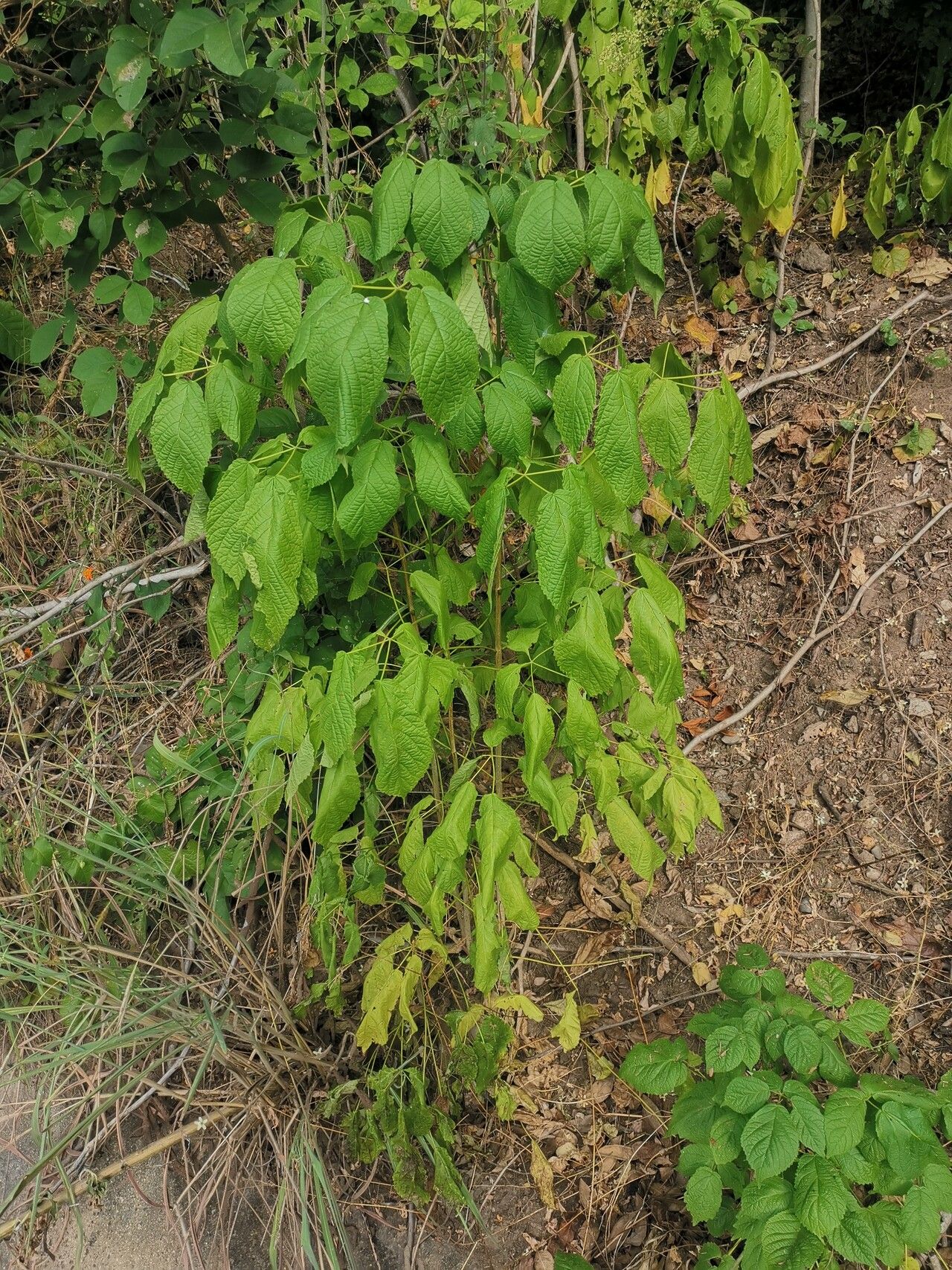
You know, some plants just have that je ne sais quoi, don’t they? And for me, Roseodendron donnell-smithii, often called the Mexican Pink Trumpet Tree, is one of them. Its vibrant, bell-shaped flowers, a glorious burst of pink or orange, are a sight to behold. And the best part? You can bring that beauty into your own garden, or even share it with friends, by propagating it yourself! While it might sound a little intimidating, with a few key steps, you’ll find it’s a really rewarding endeavor. It’s not the absolute easiest plant for a complete beginner, but it’s definitely achievable with a bit of care and patience.
The Best Time to Start
For this lovely trumpet tree, the spring and early summer are your golden windows. This is when the plant is actively growing, full of vigor, and has the best chance of producing those strong, healthy cuttings that will root successfully. You want to be looking for stems that are firm but not yet woody – think of them as being in that “semi-hardwood” stage.
Supplies You’ll Need
Here’s what I usually have on hand when I’m about to root some cuttings:
- Sharp Pruning Shears or a Hobby Knife: Clean cuts are crucial!
- Rooting Hormone: This is a powdered or gel substance that encourages root development.
- Potting Mix: A well-draining mix is essential here. I often use a blend of equal parts peat moss or coco coir and perlite or coarse sand.
- Small Pots or Propagation Trays: With drainage holes, of course.
- Plastic Bags or a Clear Dome: To create a humid environment around your cuttings.
- Water: For a quick dip or potential water propagation experiments.
Propagation Methods
My go-to method for Roseodendron donnell-smithii is stem cuttings. It’s tried and true!
- Take Your Cuttings: When your plant is in that sweet spot of spring growth, select a healthy stem. Using your sharp shears, make a clean cut just below a leaf node (that little bump where a leaf grows out). You want pieces that are about 4 to 6 inches long. Don’t be afraid to take a few; not every cutting will make it, and that’s perfectly normal!
- Prepare the Cuttings: Gently remove the lower leaves from your cuttings, leaving just a few at the top. This helps reduce moisture loss. If the remaining leaves are quite large, you can even cut them in half to further minimize transpiration.
- Apply Rooting Hormone: Dip the cut end of the stem into your rooting hormone, coating about an inch of the base. Tap off any excess.
- Plant Your Cuttings: Make a hole in your prepared potting mix using a pencil or your finger. Gently insert the coated end of the cutting into the hole, ensuring it’s firm and upright. Lightly firm the soil around the base.
- Create a Humid Environment: This is key! Water the soil well, then cover the pots with a plastic bag, making sure the bag doesn’t touch the leaves. You can use stakes to keep it supported. Alternatively, a clear plastic propagation lid works wonders. Place the pots in a bright spot, but out of direct, harsh sunlight.
- Patience, Young Grasshopper: Now comes the waiting game. Check the soil moisture regularly, keeping it consistently moist but not waterlogged.
Some folks have success with water propagation for this plant too, especially the softer, newer growth. Just take your cuttings as described above, remove lower leaves, and place them in a clean jar of water. Make sure no leaves are submerged – they’ll just rot. Change the water every few days. Keep it in bright, indirect light. You should see roots start to form within a few weeks. Once the roots are an inch or so long, you can carefully transplant them into potting mix.
The “Secret Sauce” (Pro Tips)
Here are a couple of things that have really upped my rooting success rate:
- Bottom Heat is Your Friend: If you have a heated propagation mat, place your pots on it. This gentle warmth from below encourages faster root development. It’s like a warm hug for your cuttings!
- Air Circulation Matters: While you want humidity, stagnant air can lead to fungal issues. If you’re using a plastic bag, take it off for a few minutes each day to let things air out. Good air flow helps prevent mold and mildew.
Aftercare & Troubleshooting
Once you start to see new leaf growth, that’s a fantastic sign that roots are forming! Gently tug on a cutting – if there’s resistance, you’ve got roots! You can then slowly acclimate your new plants to normal room humidity by gradually opening the plastic bag over a week or so. Keep them in bright, indirect light and water when the top inch of soil feels dry.
The most common problem you might encounter is rot. This usually happens from overwatering or poor drainage. If you see stems turning mushy or black, it’s a sign that things have gone south. Don’t be discouraged; just start again with fresh material and ensure your conditions are right.
A Encouraging Closing
Propagating plants is a bit like gardening itself – a journey of patience and observation. Don’t get discouraged if your first attempts aren’t perfect. Each time you try, you learn something new. So, grab your shears, get your hands in the soil, and enjoy the process of coaxing new life from your beautiful Roseodendron donnell-smithii. Happy propagating!
Resource: