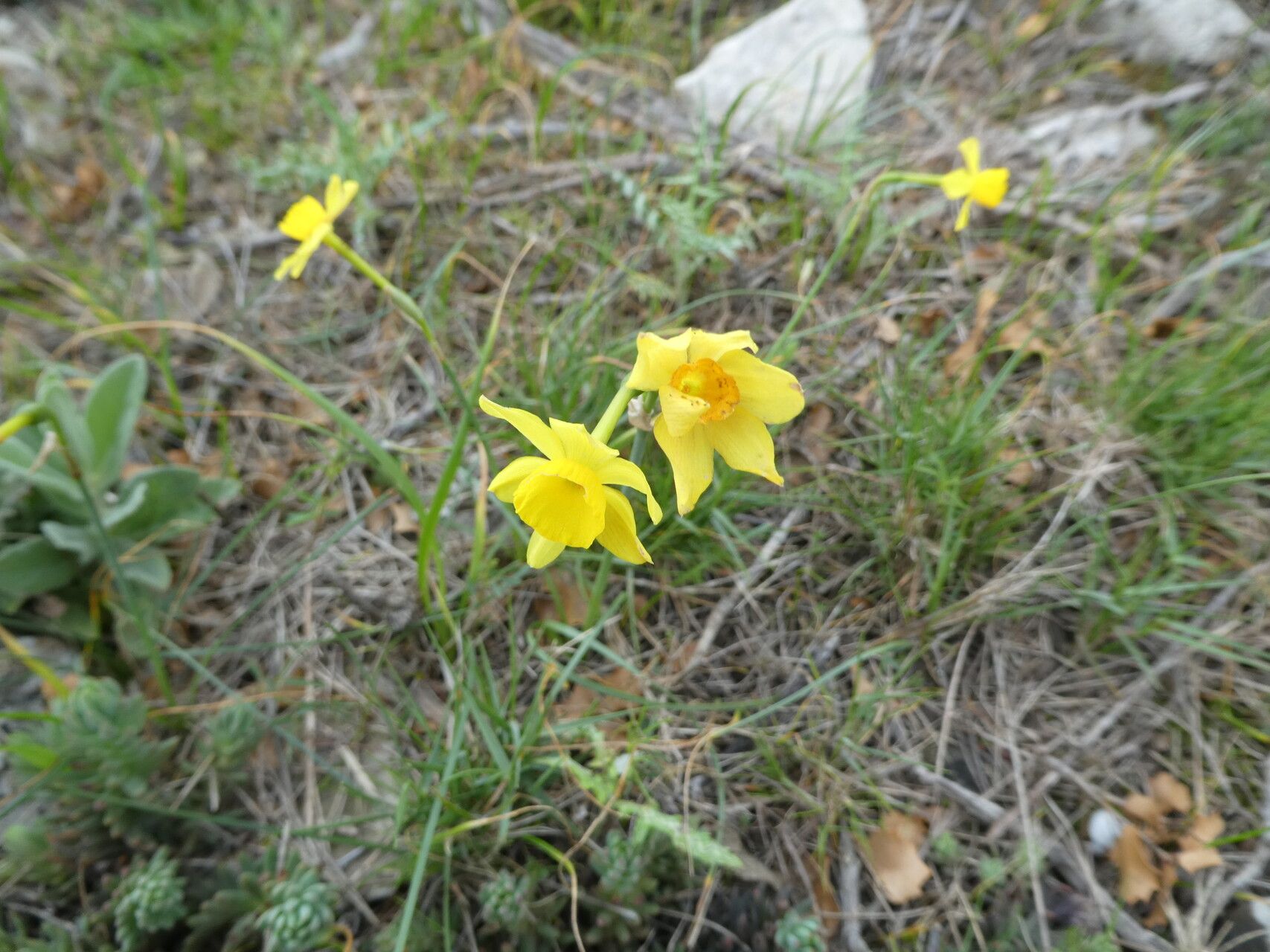
Oh, Narcissus assoanus! What a delightful little charmer. If you’ve ever been captivated by its delicate, star-shaped blooms that pop up so early in spring, you’re not alone. I’ve always loved how these petite narcissus seem to greet the season with such hopeful cheer. Propagating them yourself is a wonderfully rewarding journey, and I’m happy to share how I do it. For beginners, I’d say it’s moderately easy, but with a little patience, you’ll be surrounded by these beauties in no time.
The Best Time to Start
For Narcissus assoanus, the best time to get your hands dirty is right after they’ve finished flowering. You want to wait until the foliage has started to yellow and die back naturally. This usually happens in late spring or early summer. This is when the bulb has stored up all its energy and is ready to divide or be nudged into growing. Trying to propagate too early, while the leaves are still green and working hard, can stress the parent plant and reduce your success rate.
Supplies You’ll Need
Before we dive in, let’s gather our tools. Having everything ready makes the process so much smoother.
- Sharp Pruning Shears or a Clean Knife: For making clean divisions and cuttings. Sterilize them with rubbing alcohol to prevent disease.
- Well-Draining Potting Mix: A good blend of potting soil, perlite, and a bit of coarse sand works wonders. This is crucial, as narcissus bulbs absolutely detest waterlogged conditions.
- Small Pots or Seed Trays: With drainage holes, of course!
- Labels and a Pen: To keep track of what you’ve propagated and when.
- Optional: Rooting Hormone Powder: While not strictly necessary for bulb division, it can give stem cuttings a nice boost.
- Watering Can or Spray Bottle: For gentle watering.
Propagation Methods
Narcissus assoanus is primarily propagated through division, which is the most straightforward method for this type of plant.
Division
This is the natural process where a single bulb produces offsets, or “daughter bulbs,” over time.
- Gently Excavate: Once the foliage has died back, carefully dig up the entire clump of bulbs. A garden fork or trowel is best for this. Be mindful not to pierce any bulbs.
- Clean the Bulbs: Gently brush off excess soil. You can rinse them lightly if they’re very muddy, but ensure they dry off quickly.
- Separate the Offsets: Look for smaller bulbs attached to the main bulb. They might be connected by a small piece of tissue. Using your clean fingers or a sharp knife, carefully separate the offsets from the mother bulb. If a bulb is larger and seems to have its own basal plate and developing roots, it’s a good candidate for planting on its own.
- Inspect and Trim: Discard any bulbs that are soft, damaged, or show signs of rot. You can trim off any excessively long, straggly roots, but be gentle.
- Replant: Plant the separated bulbs either in pots or directly into the ground. The planting depth should be about three times the height of the bulb. The pointy end should always be facing upwards. Ensure they have good air circulation.
The “Secret Sauce” (Pro Tips)
Here are a couple of things I’ve learned over the years that make a real difference.
- Let Them Breathe: After dividing, if you’re not planting immediately, store the bulbs in a cool, dry, and airy place for a few days. This helps them callous over any minor cuts from separation, reducing the risk of rot. Think old onion sacks or paper bags left open.
- Don’t Overcrowd: When replanting, give your new bulbs enough space. Overcrowding leads to competition for nutrients and can encourage disease. It’s tempting to fill a pot, but trust me, they’ll thank you for the breathing room.
Aftercare & Troubleshooting
Once your bulbs are planted, patience is key!
- Watering: Water them in well after planting. After that, let the soil dry out slightly between waterings. The goal is consistently moist, but not soggy, soil. Water more frequently during dry spells, especially as they establish.
- Location: Find a spot that gets plenty of sunshine but can also offer some relief from intense midday heat in the summer months, especially if they are in pots.
- Troubleshooting: The most common issue you’ll encounter is rot. This is almost always due to overwatering or poor drainage. If you notice a bulb going soft and mushy, or developing black spots, it’s likely past saving. Remove it immediately to prevent the rot from spreading to other bulbs. Another sign of trouble could be no growth after a reasonable time. This might mean the bulb wasn’t viable, or it didn’t get enough light or water initially.
A Encouraging Closing
Propagating Narcissus assoanus is a journey of nurturing and watching life unfold. Don’t be discouraged if not every attempt is a roaring success right away. Gardening is an ongoing conversation with nature. Enjoy the process, observe your new plants, and before you know it, you’ll have a lovely display of these cheerful little stars to enjoy year after year. Happy gardening!
Resource: