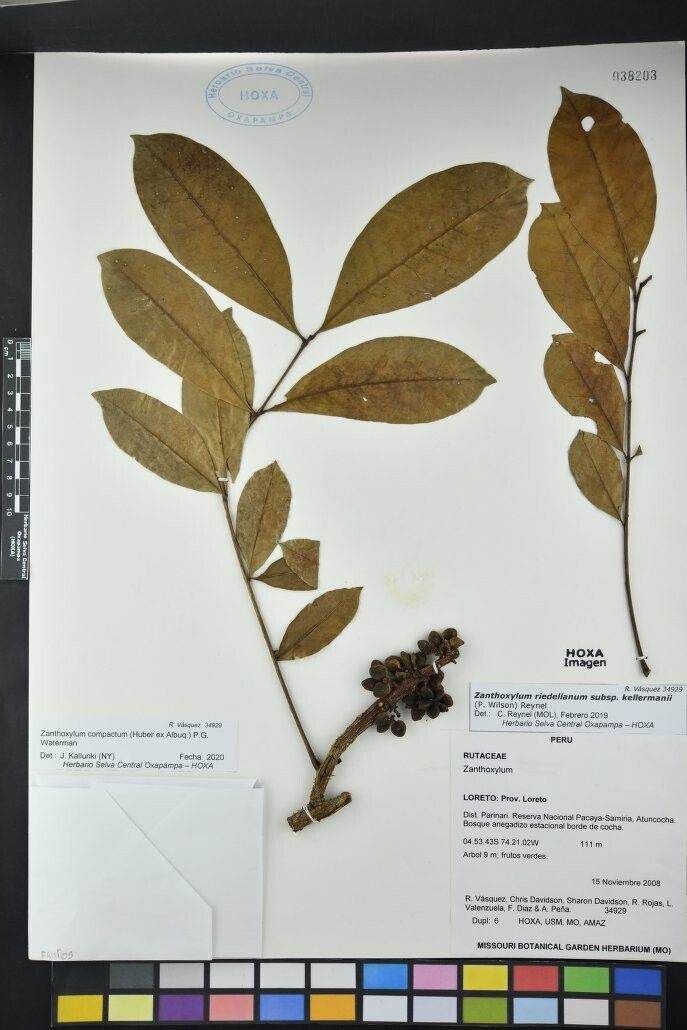
Oh, Zanthoxylum compactum! If you haven’t discovered this gem yet, you’re in for a treat. Its glossy, dark green foliage and subtle, pleasant fragrance make it a wonderful addition to any garden. And the real joy? Being able to share that beauty by propagating your own plants. It’s a truly rewarding feeling when you see a tiny cutting transform into a thriving new specimen. For those of you just starting out, I’d say Zanthoxylum compactum is moderately easy to propagate. It’s not as fuss-free as some succulents, but with a little attention and the right approach, you’ll be well on your way.
The Best Time to Start
For Zanthoxylum compactum, your best bet is to propagate using stem cuttings during the late spring or early summer, just as the plant is in its active growing phase. You want to be taking cuttings from new growth that has started to harden off slightly – think of it as semi-hardwood. Avoid taking cuttings when the plant is putting out a flurry of entirely soft, brand-new shoots, or when it’s actively flowering or setting seed. This is when it has the most energy to dedicate to rooting.
Supplies You’ll Need
Here’s what I always have on hand when I’m looking to multiply my Zanthoxylum compactum:
- Sharp Pruning Shears or a Knife: Cleanliness is key for preventing disease.
- Rooting Hormone: A good quality powder or gel will significantly boost your success rate.
- Potting Mix: I like a light, well-draining blend. A mix of 50% peat moss or coir and 50% perlite or coarse sand works wonders. Avoid heavy garden soil; it holds too much moisture.
- Small Pots or Propagation Trays: Clean pots are a must! Small 4-inch pots are usually perfect.
- Plastic Bags or a Propagation Dome: To create a humid environment for your cuttings.
- Water: For a quick dip of the cutting before applying rooting hormone.
- Labels and a Marker: So you don’t forget what you planted or when!
Propagation Methods: Stem Cuttings
This is my go-to method for Zanthoxylum compactum, and I find it yields the best results.
- Select Your Cuttings: Look for healthy, non-flowering stems. Aim for pieces about 4-6 inches long. Make your cut just below a leaf node. This is where the plant’s rooting hormones are concentrated.
- Prepare the Cuttings: Gently remove the lower leaves. You want to leave just a couple of leaves at the very top to help with photosynthesis. This also prevents leaves from rotting in the soil. If the remaining leaves are large, you can even cut them in half.
- Apply Rooting Hormone: Dip the cut end of the stem into a small amount of water, then tap it into the rooting hormone powder or gel. You want a good coating on the entire cut surface.
- Planting: Make a small hole in your prepared potting mix with a pencil or your finger. Gently insert the treated end of the cutting into the hole, ensuring it makes good contact with the soil. Firm the soil gently around the stem.
- Create Humidity: Water the soil lightly until it’s evenly moist but not waterlogged. Then, cover the pot with a clear plastic bag, or place it under a propagation dome. Make sure the plastic bag doesn’t touch the leaves too much.
- Placement: Place your pots in a bright location but out of direct sunlight. A warm spot is ideal.
The “Secret Sauce”
Here are a couple of tricks I’ve learned over the years that really make a difference:
- Bottom Heat is Your Friend: If you have a seedling heat mat, place your pots on it. A consistent gentle warmth from below will encourage root development much faster. It’s like giving your cuttings a cozy heated blanket.
- The “Tap Test”: After a few weeks, when you gently tug on a cutting, you should feel some resistance. This is your indication that roots are forming and anchoring the cutting. Don’t pull too hard, though!
Aftercare & Troubleshooting
Once your cuttings have started to root (this can take anywhere from 4-8 weeks, sometimes longer!), it’s time to transition them.
- Gradual Acclimation: Once you see new leaf growth, it’s a good sign. Gradually remove the plastic bag or dome over a week or two to let the plant get used to normal humidity levels.
- Light Watering: Continue to keep the soil consistently moist but never soggy. Overwatering is the quickest way to invite root rot, which is the most common problem. You’ll notice yellowing leaves and a mushy stem if this happens.
- Patience with Transplanting: Don’t rush to pot them up into larger containers. Wait until the roots are well-established and you see vigorous new growth.
Don’t get discouraged if not every cutting takes. Gardening is a journey, and part of that is learning and experimenting. Every plant you successfully grow from a tiny cutting is a testament to your skill and patience. Enjoy the process, and happy propagating!
Resource: