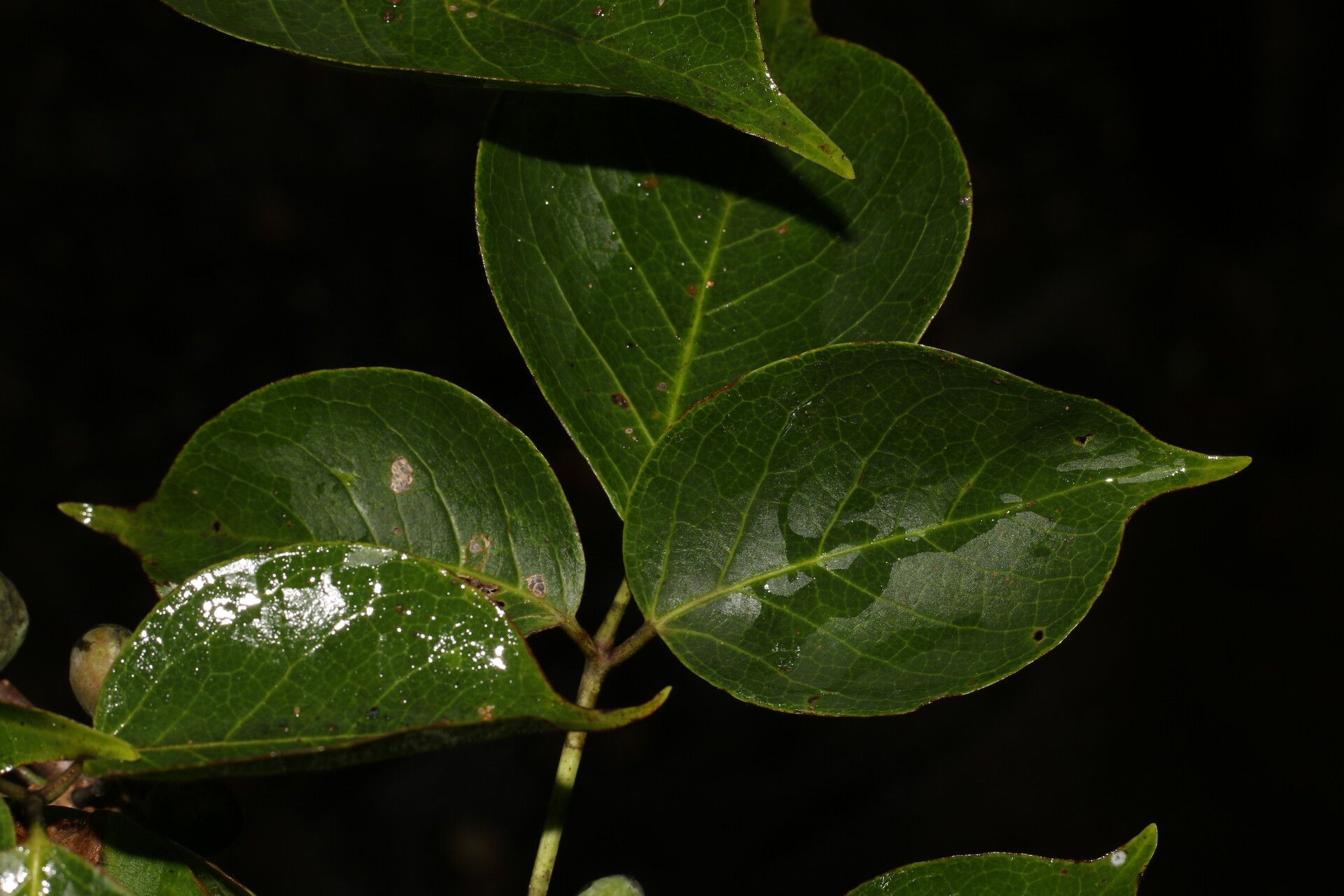
Hello fellow plant enthusiasts! Today, we’re diving into the wonderful world of Bursera grandifolia, also known as the Mexican Elephant Tree or the ‘Copal’ tree. If you’ve ever marveled at its sculptural, succulent-like trunk and the delicate, aromatic foliage, you know why this special plant is so captivating. Starting new plants from existing ones is one of the most rewarding aspects of gardening, and while Bursera grandifolia can be a little particular, I promise it’s a journey you’ll enjoy. For beginners, I’d say it’s moderately easy, with a few key steps to get right.
The Best Time to Start
The sweet spot for propagating Bursera grandifolia is definitely during its active growing season. Think late spring through summer. This is when the plant has plenty of energy to put into developing new roots. Starting too late in the fall or during its dormant winter period can lead to frustration, as the cuttings might struggle to establish.
Supplies You’ll Need
Gathering your tools beforehand makes the whole process much smoother. Here’s what I always have on hand:
- Sharp, clean pruning shears or a knife: To make clean cuts.
- Well-draining potting mix: A cactus and succulent mix is ideal, or you can make your own by combining equal parts perlite, coarse sand, and potting soil.
- Rooting hormone (optional but recommended): A powder or liquid can give your cuttings a nice boost.
- Small pots or seed trays: With drainage holes, of course!
- Plastic bags or a propagation dome: To create a humid environment.
- Watering can or spray bottle: For gentle watering.
- Labels: To keep track of your efforts!
Propagation Methods
The most reliable way to get new Bursera grandifolia plants is through stem cuttings. It’s straightforward and usually yields great results.
- Select a Healthy Stem: Look for a mature, healthy stem that’s not too woody but has some slight flexibility. About 4-6 inch sections are perfect.
- Make the Cut: Using your clean, sharp shears, make a clean, angled cut just below a leaf node. This is where roots are most likely to form.
- Allow it to Callus: This is an important step! Let the cut end of your Bursera cutting dry and form a callus for a few days to a week. Place it in a bright, dry spot out of direct sunlight. This prevents rot when you plant it.
- Apply Rooting Hormone (Optional): Once callused, dip the cut end into rooting hormone, tapping off any excess.
- Planting: Fill your small pots with your well-draining potting mix. Make a hole with your finger or a pencil and insert the callused end of the cutting, about an inch or two deep. Gently firm the soil around it.
- Water Gently: Water the soil lightly after planting. You don’t want to saturate it.
- Create Humidity: Cover the pot loosely with a plastic bag or place it under a propagation dome. This helps the cutting retain moisture until it develops roots. Make sure the leaves don’t touch the plastic.
The “Secret Sauce” (Pro Tips)
Over the years, I’ve learned a few tricks that seem to make all the difference.
- Don’t rush the callusing: Seriously, this step is your best friend in preventing rot. Be patient and let that wound heal before planting.
- Bottom heat works wonders: If you have a seedling heat mat, placing your pots on it can significantly speed up root development. Bursera loves a bit of warmth to get going.
- Air circulation is key: While we want humidity, you don’t want stagnant air which can encourage fungal issues. Open the plastic bag or dome for a few hours each day to allow for fresh air exchange.
Aftercare & Troubleshooting
Once you start seeing signs of new growth, like tiny leaves emerging or a slight resistance when you gently tug the cutting, you know roots are forming! At this point, you can gradually acclimate your new plant to normal conditions by opening the humidity cover more each day. Water only when the soil feels dry to the touch.
The most common issue you’ll encounter is rot. If your cutting turns mushy, black, or just looks lifeless, it’s likely due to too much moisture or not enough callusing. If you catch rot early, you might be able to salvage a healthy section of the stem, let it callus again, and replant.
Your Green Thumb Awaits!
Propagating Bursera grandifolia is a wonderful way to expand your collection and share the beauty of these unique trees. Don’t be discouraged if your first attempt isn’t perfect. Gardening is all about learning and observing, and each new plant you nurture is a little victory. Be patient, keep those cuttings happy, and enjoy the process! Happy growing!
Resource:
https://identify.plantnet.org/k-world-flora/species/Bursera%20grandifolia%20(Schltdl.)%20Engl./data