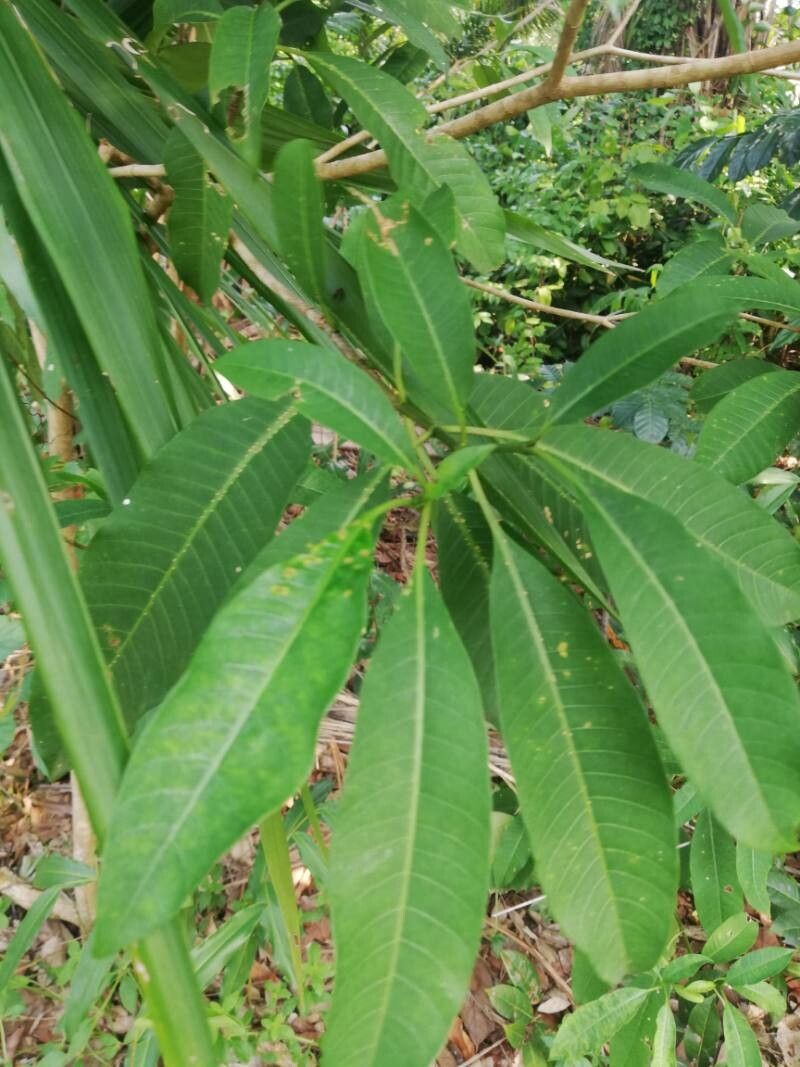
Oh, hello there! Come on in, pull up a chair. I’ve got a fresh pot of coffee brewing, and I thought we could chat about a truly special plant: Voacanga chalotiana.
Let me tell you, this one has a charm all its own. With its lovely glossy leaves and potential for delicate blooms, it’s a real delight to have in the garden or as a stunning houseplant. And the best part? Bringing new life into the world from just a little piece of your existing plant. It’s incredibly rewarding, almost like magic. Now, I won’t lie, Voacanga chalotiana can be a tad fussy sometimes, so it might not be the absolute easiest for a brand-new beginner, but with a little patience and some of my tried-and-true methods, I think you’ll find success.
The Best Time to Start
When it comes to propagating Voacanga chalotiana, timing is everything. You’ll get the best results when the plant is actively growing. Think late spring through summer. This is when the plant’s energy is really focused on new growth, making those cuttings more likely to root. Avoid propagating when the plant is dormant or struggling; that’s just setting yourself up for disappointment.
Supplies You’ll Need
Gathering your tools beforehand makes the whole process so much smoother. Here’s what I always have on hand:
- Sharp Pruning Shears or a Clean Knife: Absolutely essential for making clean cuts. A dull tool can crush the stems, hindering rooting.
- Well-Draining Potting Mix: I like a blend of equal parts peat moss or coco coir, perlite (for aeration), and a little bit of horticultural charcoal (to keep things fresh).
- Small Pots or Seedling Trays: Whatever you have available, as long as they have drainage holes.
- Rooting Hormone (Optional but Recommended): A powdered or gel rooting hormone can significantly boost your success rates. It’s like a little superhero boost for your cuttings.
- Clear Plastic Bag or Humidity Dome: To create a microclimate that keeps your cuttings from drying out.
- Spray Bottle: For misting.
- Labels: Don’t forget to label your precious propagations!
Propagation Methods
Let’s get our hands dirty! I find stem cuttings to be the most reliable way to propagate Voacanga chalotiana.
Stem Cuttings:
- Select Your Plant: Choose a healthy, vigorous Voacanga chalotiana plant. Look for stems that have new growth, but aren’t too soft and floppy. About 4-6 inches of stem is ideal.
- Make the Cut: Using your sharp pruning shears or knife, make a clean cut just below a leaf node (where a leaf attaches to the stem). This is where the plant has a higher concentration of rooting hormones.
- Prepare the Cutting: Remove the lower leaves from your cutting, leaving just two or three at the very top. This prevents them from rotting in the soil or water.
- Dip in Hormone (Optional): If you’re using rooting hormone, lightly dip the cut end into the powder or gel. Tap off any excess.
- Pot it Up: Gently insert the cut end of the stem into your prepared, damp potting mix. Make sure the leaf nodes you removed are buried, as this is where roots can form. Firm the soil gently around the stem.
- Create Humidity: Place the potted cutting into a clear plastic bag, sealing it loosely. You can also use a humidity dome. This traps moisture, which is crucial for rooting. You want it to feel like a mini greenhouse.
- Find a Good Spot: Place your cuttings in a bright spot that receives indirect sunlight. Avoid direct sun, which can scorch the leaves and dry out the cutting too quickly. Consistent warmth is also a big plus.
The “Secret Sauce”
Alright, here are a couple of my little insider tricks that can really make a difference:
- The Bottom Heat Trick: If you can, placing your potted cuttings on a gentle seedling heat mat can work wonders. This warmth encourages the roots to form from the bottom up, dramatically speeding up the process. Just make sure it’s set to a low, consistent temperature.
- Don’t Drown Your Dreams: When you’re preparing cuttings for water propagation (which can work for Voacanga, but I find it trickier with potential rot), a key is to ensure no leaves are submerged. Leaves in the water will just decay and invite disease. Keep only the bare stem in the water.
Aftercare & Troubleshooting
Once you start to see some new growth, or if you gently tug on the cutting and feel resistance, congratulations! Roots are forming.
- Gradually Acclimate: Don’t immediately remove the plastic bag or humidity dome. Slowly start to introduce your new plant to the drier air over a week or so. Open the bag a little more each day.
- Watering: Water your new plant when the top inch of soil feels dry. Water thoroughly until it drains from the bottom.
- Troubleshooting: The most common issue you’ll face is rot. If your cutting turns mushy, black, or starts to fall apart, it’s likely rotted. This is often caused by too much moisture, poor drainage, or lack of air circulation. If you see this, unfortunately, it’s best to discard it and try again, focusing on those drainage and air circulation tips. Yellowing leaves can sometimes mean it’s not getting enough light, or it’s just a natural process for older leaves.
A Little Patience, A Lot of Joy
Watching a new Voacanga chalotiana emerge from a simple stem is a truly satisfying experience. It takes a bit of observation and care, but the rewards are immense. Don’t get discouraged if your first attempt isn’t perfect. Every gardener has their share of failed cuttings! Just keep at it, enjoy the process of nurturing something new, and before you know it, you’ll have a whole little collection of these beauties. Happy propagating!
Resource:
https://identify.plantnet.org/k-world-flora/species/Voacanga%20chalotiana%20Pierre%20ex%20Stapf/data