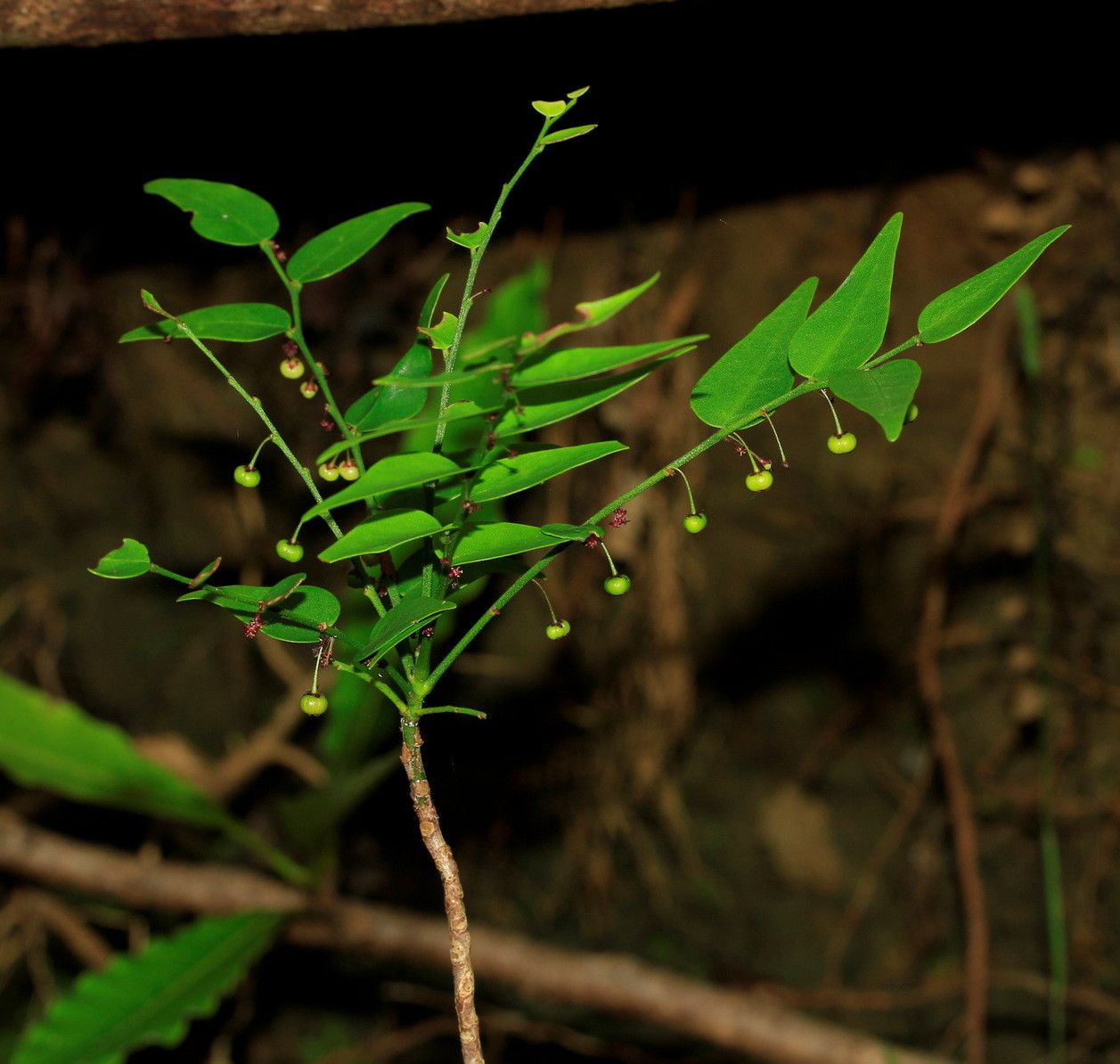
Well hello there, fellow plant enthusiast! Today, we’re diving into the wonderful world of propagating Phyllanthus dorotheae. If you’ve ever admired its delicate, almost feathery foliage and wondered how you could get more of those lovely specimens for your own collection, you’re in the right place. I’ve spent years getting my hands dirty, and I’m delighted to share what I’ve learned about this particular gem.
Phyllanthus dorotheae is a real charmer, isn’t it? Its cascade of bright green, tiny leaves brings such a refreshing touch to any plant nook. The real joy of propagating it is two-fold: you get to multiply the beauty you already love, and there’s a deep satisfaction in nurturing a new plant from a small piece of an existing one. For those of you just starting out on your propagation journey, I’d say Phyllanthus dorotheae is moderately easy. It’s not as straightforward as some succulents, but with a little attention and the right approach, you’ll be successful.
The Best Time to Start
My absolute favorite time to start propagating Phyllanthus dorotheae is during its active growing season, which generally falls from late spring through summer. This is when the plant has plenty of energy to put into developing new roots. You’ll have the best luck if you take cuttings from healthy, vigorous stems that aren’t flowering. Look for stems that are firm and green, not woody or limp.
Supplies You’ll Need
Gathering your tools beforehand makes the whole process so much smoother. Here’s what I usually have on hand:
- Sharp pruning shears or a clean, sharp knife: For taking clean cuts.
- Rooting hormone powder or gel: This is optional but can significantly speed up root development and increase success rates.
- A well-draining potting mix: I like to use a mix of peat moss or coco coir and perlite or coarse sand (about a 50/50 ratio). This ensures good aeration and prevents waterlogging.
- Small pots or trays: Clean pots are a must to avoid diseases.
- A clear plastic bag or a propagator: To create a humid environment around your cuttings.
- Water: For misting and watering.
Propagation Methods
My go-to method for Phyllanthus dorotheae is stem cuttings. It’s reliable and yields great results.
Stem Cuttings:
- Select your cutting: Choose a healthy stem, about 4-6 inches long.
- Make the cut: Using your clean shears or knife, make a clean cut just below a leaf node (where a leaf joins the stem). The nodes are where the magic happens – that’s where roots will emerge.
- Prepare the cutting: Gently remove the lower leaves from the cutting, leaving just a couple of leaves at the top. This prevents them from rotting in the soil.
- Apply rooting hormone (optional): Dip the cut end of the stem into rooting hormone, shaking off any excess.
- Plant the cutting: Make a small hole in your potting mix with a pencil or your finger. Insert the cut end of the stem into the hole, ensuring that at least one leaf node is buried beneath the soil surface. Gently firm the soil around the stem.
- Water gently: Water the soil lightly to settle it around the cutting.
- Create humidity: Place the pot inside a clear plastic bag, loosely sealed, or put it in a propagator. This traps moisture and keeps the humidity high around the cutting, mimicking the conditions it would experience in its natural environment.
Alternatively, you can try Water Propagation for a bit of visual satisfaction:
- Prepare your cutting: Follow steps 1-3 for stem cuttings.
- Place in water: Put the cutting in a clean jar or glass of room-temperature water, ensuring no leaves are submerged. The nodes should be where the water hits.
- Change water regularly: I like to change the water every 2-3 days to keep it fresh and prevent bacterial growth.
- Watch for roots: You should start seeing tiny white roots emerge from the nodes within a few weeks. Once the roots are about an inch long, you can transplant them into soil.
The “Secret Sauce” (Pro Tips)
Now, for a couple of my little tricks that have made a big difference for me:
- Don’t let the leaves touch the water: This is crucial if you’re water propagating. Any submerged leaves will quickly turn brown and rot, hindering root development and potentially harming the stem.
- Bottom heat is your friend: If you can provide gentle warmth from underneath, like placing your pots on a heat mat or a slightly warm window sill (not direct hot sun!), it can really encourage root growth. It mimics the warmth of the soil in a tropical environment.
- Don’t be afraid to experiment with different nodes: Sometimes a cutting from lower down the stem might root better, or a more mature stem piece. Just make sure you’re starting with healthy material!
Aftercare & Troubleshooting
Once you see signs of new growth or roots poking through the drainage holes, congratulations! Your cutting is on its way.
- Acclimatize gradually: If your cutting was in a plastic bag, slowly begin to air it out over a few days by opening the bag for longer periods. This helps it adjust to lower humidity.
- Watering: Keep the soil consistently moist but not waterlogged. It’s better to water thoroughly when the top inch of soil feels dry.
- Light: Place your new plant in bright, indirect light. Avoid harsh direct sunlight, which can scorch young leaves.
The most common culprit for failure is rot. If your cutting looks mushy, black, or has a foul smell, it’s likely rotting. This is usually due to too much moisture and not enough air circulation. If you catch it early, you might be able to cut away the rotten parts and try again, but often it means starting fresh. Another sign of trouble is wilting that doesn’t recover. This could indicate insufficient roots, poor soil contact, or too low humidity.
A Encouraging Closing
Propagating plants is a journey of patience and observation. Not every cutting will make it, and that’s perfectly okay! Each attempt is a learning experience. So, take a deep breath, enjoy the process of nurturing these little ones, and celebrate each new root that emerges. Happy propagating, and may your Phyllanthus dorotheae flourish!
Resource:
https://identify.plantnet.org/k-world-flora/species/Phyllanthus%20dorotheae%20M.Schmid/data