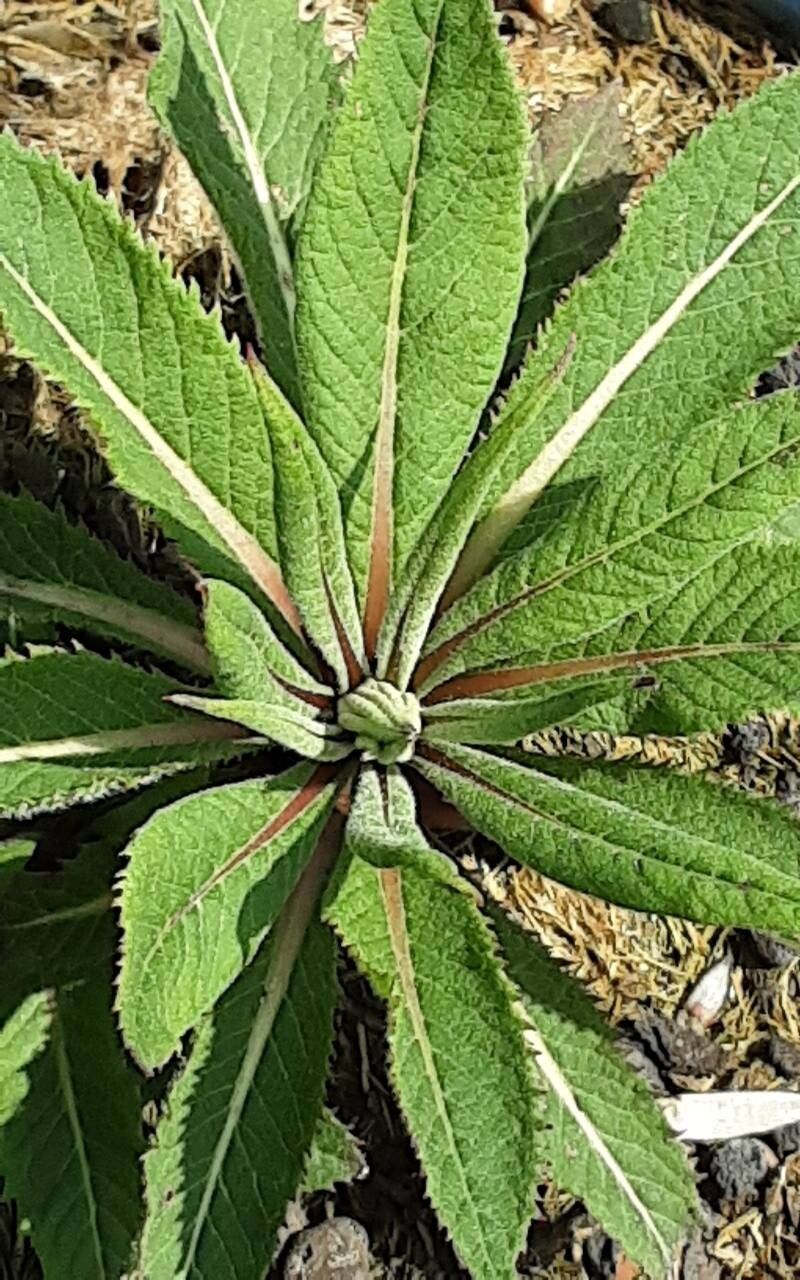
Hey there, fellow plant lovers! If you’ve ever admired the gorgeous, dramatic purple blooms of Vernonia arkansana gracing a garden, you’re not alone. This Arkansas native is a showstopper, attracting pollinators by the dozen and bringing a vibrant splash of color that lasts for weeks. And you know what’s even better than admiring them? Growing your own! Propagating Vernonia arkansana is a truly rewarding experience, and I’m here to guide you through it. Don’t be intimidated; while it has its nuances, it’s certainly achievable, even for those of you just dipping your toes into the world of propagation.
The Best Time to Start
For the highest success rate with Vernonia arkansana, I always turn to late spring to early summer. This is when the plant is actively growing and has plenty of energy to put into developing new roots. Look for healthy, new growth that hasn’t flowered yet. That tender, yet firm, material is your golden ticket.
Supplies You’ll Need
Before we get our hands dirty, let’s gather our tools:
- Sharp pruning shears or a clean, sharp knife: For making those crucial cuts. Sterilize them with rubbing alcohol between uses!
- Rooting hormone (optional but recommended): This really gives your cuttings a boost. Look for one with a good auxin concentration.
- A well-draining potting mix: I like a 50/50 blend of perlite and a good quality seedstarting mix. You could also use a mix of peat moss and perlite.
- Small pots or trays: Clean pots are essential to prevent disease.
- Plastic bags or a propagation dome: To create a humid environment.
- Watering can or mister: For keeping things consistently moist.
- Labels: Don’t forget to label your babies! Trust me on this one.
Propagation Methods
Let’s dive into how we’ll make more of these beauties.
Stem Cuttings
This is my go-to method for Vernonia arkansana.
- Take Cuttings: Using your sterilized shears, take 4-6 inch cuttings from the tip of a healthy, non-flowering shoot. Make a clean cut just below a leaf node (where a leaf attaches to the stem). These nodes are where root hormones are concentrated.
- Prepare the Cuttings: Gently remove the lower leaves, leaving just the top 2-3 leaves. This prevents them from rotting once you plant your cutting. If the remaining leaves are large, I sometimes trim them in half to reduce water loss through transpiration.
- Apply Rooting Hormone: Dip the cut end of each stem into rooting hormone powder or gel. Tap off any excess.
- Plant the Cuttings: Make a small hole in your prepared potting mix with a pencil or your finger. Insert the hormone-dipped end of the cutting into the hole, ensuring the leaf nodes are below the soil surface. Gently firm the soil around the cutting.
- Water and Cover: Water thoroughly but gently. Then, cover the pot or tray with a plastic bag or a propagation dome to maintain high humidity. Be sure the leaves don’t touch the plastic.
Division
If you have an established clump, division is a fantastic way to get instant new plants.
- Dig Up the Plant: In early spring (before new growth really takes off), carefully dig up your Vernonia arkansana plant. Try to lift the entire root ball.
- Inspect and Divide: Gently shake off excess soil so you can see the root structure. Using a sharp spade or a clean trowel, divide the clump into sections. Aim for sections that have at least a few strong shoots and a good amount of root system. You can also use your hands to carefully pull the roots apart if they are easily separable. Prune away any damaged or dead roots.
- Replant: Immediately replant the divisions into their new locations or into pots filled with your well-draining potting mix. Water them in well.
The “Secret Sauce” (Pro Tips)
Here are a couple of tricks I’ve learned over the years that seem to make all the difference:
- Bottom Heat is Your Friend: For stem cuttings, placing the pots on a heat mat designed for plant propagation can significantly speed up root development. It mimics the warmth of spring soil and encourages those roots to form faster.
- Don’t Let Leaves Touch the Water (in Water Propagation): While I’ve focused on soil propagation here, if you do decide to try water propagation with Vernonia arkansana (though I find it less reliable for this one), it’s crucial that the leaves stay above the water line. Submerged leaves will rot, and your cutting will likely fail.
Aftercare & Troubleshooting
Once your cuttings are planted, patience is key!
- Humidity and Light: Keep the cuttings in a bright spot, but out of direct, hot sun. Continue to mist them periodically or open the humidity dome for a few minutes each day to allow for air circulation. The goal is to keep the soil consistently moist but not waterlogged.
- Rooting Time: It can take 3-6 weeks for Vernonia arkansana cuttings to root. You’ll know they’re ready when you give a gentle tug and feel resistance, or when you see new leaf growth.
- Troubleshooting: The most common issue is rot. This usually happens from overwatering or poor drainage. If you see slimy or black stems, it’s a bad sign. Remove any affected cuttings immediately and ensure your soil has excellent drainage. If the leaves droop and look wilted, it might be a sign they are drying out too quickly; increase humidity or check the soil moisture.
A Encouraging Closing
Watching a new plant emerge from a tiny cutting is one of gardening’s greatest joys. Be patient with your Vernonia arkansana propagations; sometimes they take their sweet time. Don’t get discouraged if every single one doesn’t make it – that’s all part of the learning process. Enjoy the journey, and soon you’ll have a garden full of these spectacular prairie beauties! Happy propagating!
Resource:
https://identify.plantnet.org/k-world-flora/species/Vernonia%20arkansana%20DC./data