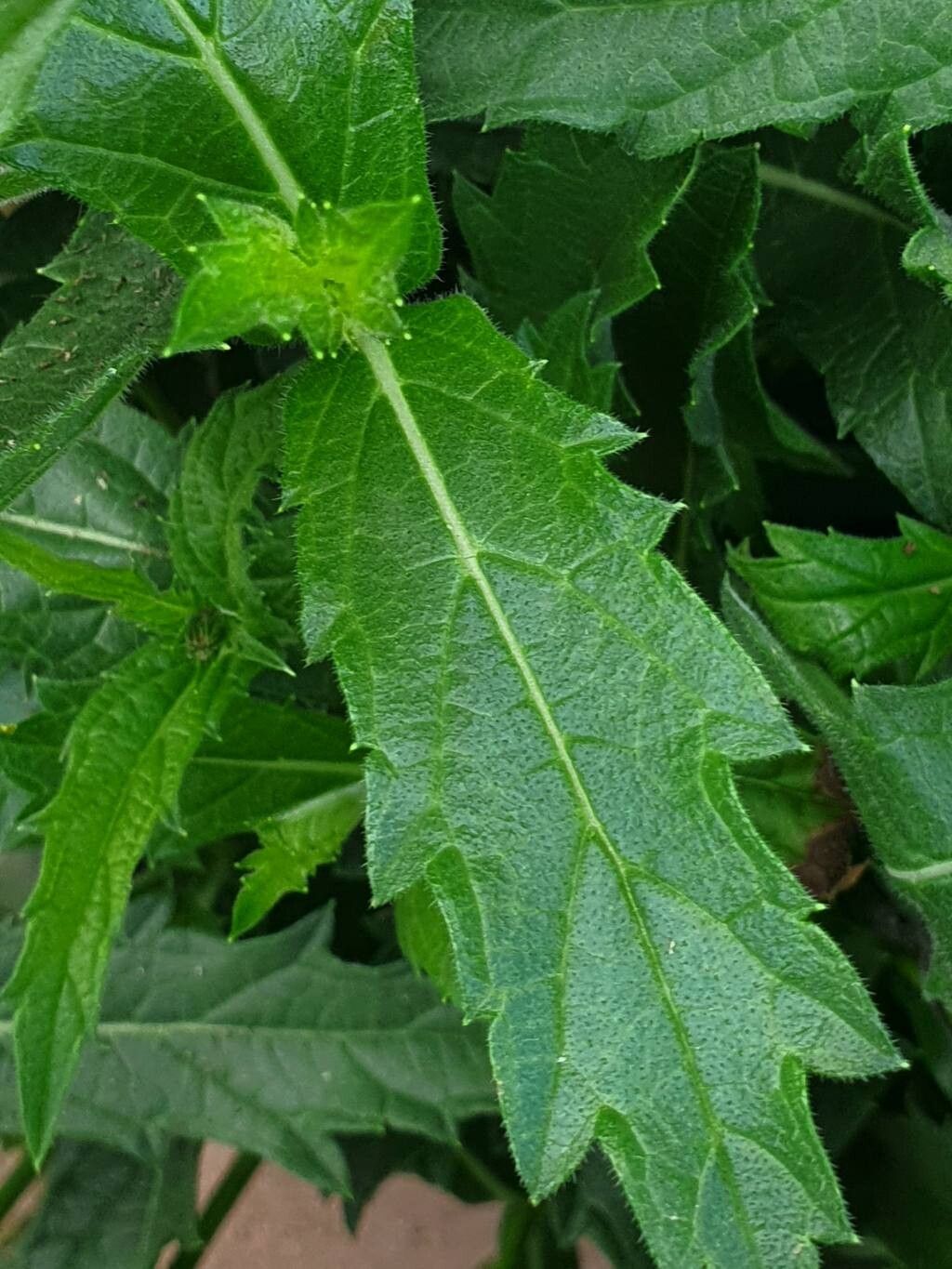
Bring Forth More of That Gorgeous Verbena rigida!
Oh, is there anything quite like Verbena rigida in full bloom? Those vibrant, purplish-pink blooms that dance on slender stems, attracting pollinators from dawn till dusk – it’s pure garden joy. And the best part? You can easily have more of it! Propagating Verbena rigida is incredibly rewarding, and I’m thrilled to share how you can do it too. Don’t be intimidated; this is a plant that’s quite amenable to propagation, even for those just starting their gardening journey.
When Your Verbena is Ready for a Clone
The sweet spot for taking cuttings of Verbena rigida is late spring to early summer. This is when the plant is actively growing, so it has plenty of energy to put into forming new roots. Look for stems that are semi-hardened – they’ll still be flexible but won’t bend over with the slightest touch. Avoid very soft, brand-new growth, as it’s more prone to rot, and don’t wait until the plant is flowering heavily, as that diverts energy away from root development.
Your Propagation Toolkit
To set yourself up for success, gather these simple supplies:
- Sharp Pruning Shears or a Craft Knife: Cleanliness is key for preventing disease!
- Rooting Hormone (Optional but Recommended): A little dab can speed things up and increase success rates.
- Potting Mix: A well-draining mix is crucial. I like to use a blend of equal parts peat moss and perlite, or buy a commercial seed-starting mix.
- Small Pots or Seed Trays: Anything that can hold your cuttings and the soil. Make sure there are drainage holes.
- Plastic Bag or Propagation Dome: To create a humid environment.
- Watering Can or Spray Bottle: For gentle watering.
Bringing Forth New Life: Propagation
There are a couple of fantastic ways to multiply your Verbena rigida.
Method 1: Stem Cuttings – My Go-To
This is my favorite and most reliable method. It’s like giving your plant a haircut and getting new plants in return!
- Take Your Cuttings: With your clean shears, select a healthy stem. Cut a 4-6 inch section just below a leaf node (where a leaf attaches to the stem). Remove the lower leaves, leaving just a couple at the top.
- Prepare the Cutting: If using rooting hormone, dip the cut end into the powder, tapping off any excess.
- Get Them in Potting Mix: Fill your small pots with your prepared potting mix. Make a hole with your finger or a pencil, insert the cut end of the stem, and gently firm the soil around it.
- Water Gently: Water the soil thoroughly but avoid waterlogging. You want it moist, not soaking.
- Create a Humid Environment: Place the pots inside a plastic bag or cover them with a propagation dome. This traps moisture, which is essential for root formation. Ensure the leaves don’t touch the plastic.
- Find a Cozy Spot: Place the pots in a bright location but out of direct, harsh sunlight. A warm spot is beneficial; I often use a seedling heat mat for consistent warmth.
Method 2: Water Propagation – The Magic of Seeing Roots Appear
This method is incredibly satisfying because you can actually watch the roots grow!
- Prepare Your Cuttings: Follow steps 1 and 2 from the stem cutting method.
- Place in Water: Fill a clean jar or glass with room-temperature water. Place your cuttings in the water, making sure no leaves are submerged. This is vital to prevent rot!
- Change the Water: Change the water every few days to keep it fresh and oxygenated.
- Wait and Watch: Keep the jar in a bright spot away from direct sun. You should start seeing tiny white roots emerge within a few weeks.
- Pot Them Up: Once the roots are about an inch long, carefully transplant them into your potting mix as described in step 3 of the stem cutting method.
The “Secret Sauce”: My Insider Tips
- Don’t Be Afraid to Pinch: Once your cuttings have a few sets of leaves and look like they’re settling in, gently pinch off the very tip of the stem. This encourages the plant to branch out, making for a bushier, stronger new plant.
- Bottom Heat is a Game-Changer: If you find your cuttings are struggling, investing in a small seedling heat mat can make all the difference. Consistent warmth from below encourages robust root development, especially during cooler periods.
- Patience with the Potting Mix: Especially with stem cuttings, resist the urge to pull them up too soon to check for roots. This can damage delicate new growth. Give them a good 3-4 weeks before gently tugging to feel for resistance – that’s your sign of roots!
Aftercare and When Things Go Wrong
Once your cuttings have developed a good root system (you’ll feel resistance when you gently tug, or you might see roots peeking through the drainage holes), it’s time to treat them as young plants. Gradually acclimatize them to less humid conditions by opening the plastic bag a little more each day. Water them sparingly, allowing the soil to dry slightly between waterings.
If you notice your cuttings turning yellow and mushy, or developing black spots, it’s likely rot. This is usually due to too much moisture and poor air circulation. Don’t despair! Sometimes, taking a fresh cutting and being extra diligent with drainage and humidity can salvage the situation. If you see mold on the surface of the soil, gently scrape it off and ensure good airflow.
Happy Cloning!
Propagating Verbena rigida is a beautiful way to extend the joy of this plant in your garden. It’s a process that offers a tangible connection to the natural world, and there’s immense satisfaction in nurturing a tiny cutting into a thriving new plant. Be patient, observe your little charges, and enjoy the journey of bringing more of that stunning Verbena rigida into your life!
Resource:
https://identify.plantnet.org/k-world-flora/species/Verbena%20rigida%20Spreng./data