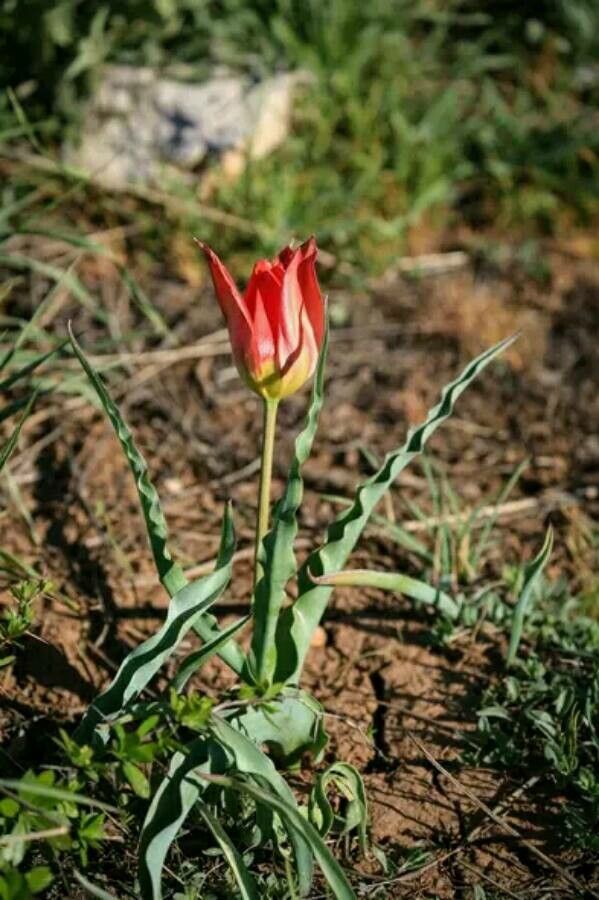
Hello there, fellow plant enthusiasts! I’m so excited to chat with you today about a truly special tulip: Tulipa aleppensis. This beauty, with its vibrant colors and delicate blooms, brings a joy to the garden that’s hard to beat. If you’ve ever admired its elegance, you’ll be pleased to know that propagating it can be a wonderfully rewarding endeavor. Now, for beginners, I wouldn’t call Tulipa aleppensis an absolute walk in the park, but with a little patience and the right guidance, you’ll be well on your way to multiplying these beauties.
The Best Time to Start
The absolute sweet spot for propagating Tulipa aleppensis is right after it finishes flowering. You’ll want to wait until the leaves have started to turn yellow and droop a bit, but before they completely die back. This is when the bulb has had a chance to store up all its best energy for the next growing season, and crucially, for producing those precious offsets. Trying to do it too early can weaken the parent plant, and waiting too late means you might miss the window of opportunity.
Supplies You’ll Need
Gathering your tools beforehand makes the whole process so much smoother. Here’s what I always have on hand:
- A sharp, clean trowel or small spade
- Fine-tipped pruning shears or scissors (sterilized, of course!)
- A well-draining potting mix. I find a blend of compost, coir, and perlite works wonders.
- Small pots or trays with drainage holes.
- Labels and a permanent marker (trust me, you’ll thank me later!)
- A gentle watering can or spray bottle
Propagation Methods
For Tulipa aleppensis, the primary and most successful method is division. Tulips, like many bulbs, naturally produce smaller bulbs, called offsets or bulbils, around the base of the parent bulb.
- Gently Excavate: Once your Tulipa aleppensis has finished its show and the foliage is starting to fade, carefully dig around the base of the plant with your trowel. You want to loosen the soil and expose the main bulb.
- Identify Offsets: You’ll likely see small, pea-sized to marble-sized bulbs attached to the sides or bottom of the mature bulb. These are your future tulips!
- Separate With Care: This is the most delicate step. Using your fingers or, if they’re really stuck, your sterilized pruning shears, gently detach the offsets from the parent bulb. Try to get a bit of the basal plate (the flat bottom where roots emerge) with each offset. If an offset is very tiny, it might be best to leave it attached for another year to gain strength.
- Inspect and Plant: Discard any offsets that look soft, damaged, or diseased. Plant your healthy offsets about 1-2 inches deep in your prepared potting mix. Make sure the pointy end is facing up! Water them in gently.
The “Secret Sauce” (Pro Tips)
Here are a few tricks I’ve picked up over the years that really make a difference:
- Give Them Space: When you’re planting the offsets, don’t cram them together. Give them room to grow and develop their own root systems. About 2-3 inches apart is a good rule of thumb.
- Patience is a Virtue (Especially With Bulbs): Most of these offsets will be quite small and might not bloom for a year or two. Don’t be discouraged! They need time to mature and build up enough energy to produce a flower. It’s like raising a baby plant – it needs consistent care and time to thrive.
Aftercare & Troubleshooting
Once your offsets are happily planted, give them a gentle watering. Keep the soil consistently moist but not soggy. Too much water is the quickest way to invite rot, which is the biggest foe of bulb propagation. You’ll notice rot if the bulbs turn mushy and develop a foul smell. If you see this, it’s best to discard the affected bulb to prevent it from spreading.
As the weather cools, you can either keep them in a protected spot outdoors or move them to a cool, dry, frost-free location like an unheated garage or shed. They need a period of dormancy.
A Encouraging Closing
Propagating Tulipa aleppensis is a journey of patience and observation. It’s about nurturing these little beginnings and trusting the natural processes of growth. Don’t be afraid to get your hands dirty, and most importantly, savor the anticipation of those future blooms. Happy propagating!
Resource:
https://identify.plantnet.org/k-world-flora/species/Tulipa%20aleppensis%20Boiss.%20ex%20Regel/data