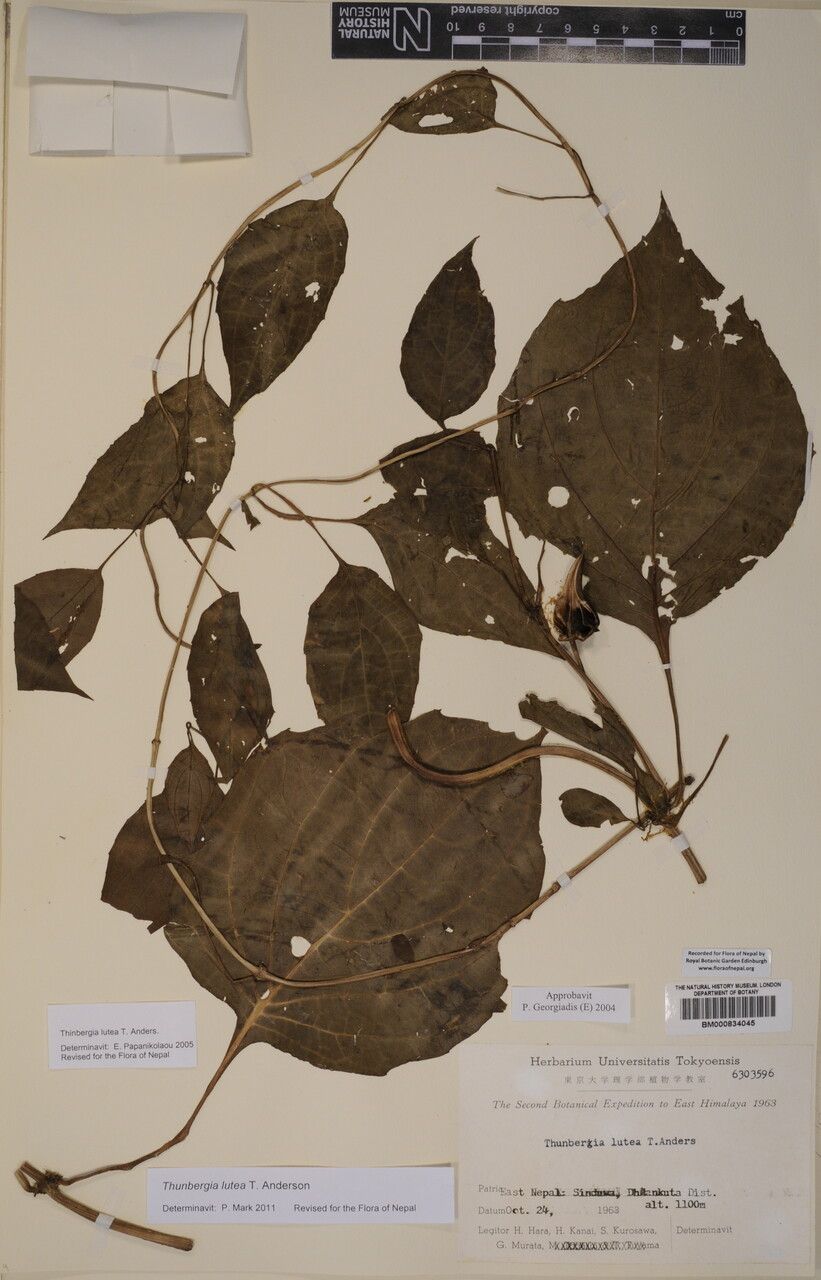
Hello fellow gardeners! I’m so glad you’ve stumbled upon an interest in Thunbergia lutea. If you’re like me, you’ve probably been charmed by its vibrant, cheerful yellow blooms and its vigorous, climbing nature. It’s a real showstopper, and the joy of creating more of these beauties from your existing plants? Pure gardening bliss! For those of you just starting out, I’m happy to report that Thunbergia lutea is quite forgiving, making it a wonderful choice for beginners looking to dip their toes into propagation.
The Best Time to Start
When it comes to getting the best results, I’ve found that spring and early summer are truly your golden window for propagating Thunbergia lutea. This is when the plant is actively growing and has plenty of energy to put into developing new roots. Aim to take cuttings when the plant is healthy and producing new, vigorous growth. Avoid taking cuttings from flowering stems if you can help it; you want that energy directed towards root development, not supporting blooms.
Supplies You’ll Need
Before we get our hands dirty, let’s gather our tools. Having everything ready makes the process so much smoother!
- Sharp pruning shears or scissors: Clean cuts heal faster and reduce the risk of disease.
- Small pots or containers: Four-inch pots are usually a good size. Make sure they have drainage holes!
- Well-draining potting mix: A good general-purpose potting mix with added perlite or coarse sand works beautifully. I like to use a mix that’s about 50/50 potting soil and perlite.
- Rooting hormone (optional but recommended): This little booster can significantly increase your success rate. Gel or powder forms are fine.
- Plastic bags or a propagator: To create a humid environment for your cuttings.
- Water: For watering and, if you choose, for water propagation.
- Labels and a marker: To keep track of what you’ve propagated and when!
Propagation Methods
Now for the fun part! Thunbergia lutea is a champ when it comes to taking cuttings. Here are a couple of my favorite methods:
1. Stem Cuttings (My Go-To Method!)
This is usually the most reliable way to multiply your Thunbergia lutea.
- Select your cutting: Look for a healthy, non-flowering stem that’s about 4-6 inches long. You want a stem that is a bit flexible but not brand new, soft growth. This is often called “semi-hardwood.”
- Make the cut: Using your clean shears, make a cut just below a leaf node. A leaf node is one of those little bumps on the stem where leaves grow from. This is where magic happens for root formation.
- Prepare the cutting: Gently remove the lower leaves from the cutting, leaving just two or three at the top. This prevents them from rotting in the soil and reduces moisture loss. If the remaining leaves are large, you can even cut them in half horizontally.
- Apply rooting hormone (optional): Dip the cut end of the stem into your rooting hormone, tapping off any excess.
- Plant your cutting: Fill your small pots with your prepared potting mix. Make a small hole with your finger or a pencil, and insert the cut end of your Thunbergia stem. Gently firm the soil around the stem to ensure good contact.
- Water and cover: Water the potting mix thoroughly until it drains from the bottom. Then, place the pot inside a clear plastic bag or a propagator, ensuring the bag doesn’t touch the leaves too much. This creates a humid microclimate.
2. Water Propagation (A Visual Treat!)
This method is fantastic for seeing those roots develop!
- Select and prepare your cutting: Follow the same steps as for stem cuttings: choose a healthy stem, cut below a node, and remove lower leaves.
- Place in water: Fill a clean jar or glass with clean tap water. Place your cutting in the water, ensuring that the leaf nodes where you removed leaves are submerged. Crucially, make sure no leaves are touching the water. Leaves submerged in water will quickly rot.
- Find a good spot: Place the jar in a bright location, but out of direct, intense sunlight. A sunny windowsill is usually perfect.
- Change the water: Change the water every few days to keep it fresh and prevent bacterial growth.
- Transplant when ready: You’ll see little white roots begin to emerge from the nodes. Once these roots are about an inch long, it’s time to transplant your cutting into soil. Gently plant it in a pot with your well-draining potting mix, just as you would with a stem cutting.
The “Secret Sauce” (Pro Tips)
These little tricks have taken my propagation success from good to great!
- My absolute favorite trick for stem cuttings is using bottom heat. If you can get a heating mat designed for seedlings, placing your pots on that can dramatically speed up root development. The warmth encourages the plant to put its energy into growing roots much faster. You’ll be surprised how quickly they take off!
- When using the plastic bag method for stem cuttings, occasionally “air out” your cuttings. Just lift the bag for a few minutes every couple of days. This helps prevent fungal issues that can arise from perpetually damp air.
- For water propagation, I always use clear containers. It’s so satisfying to watch those roots growing, and it also allows you to easily spot any signs of rot developing. If the water looks cloudy or the stem starts to look slimy, it’s time for a fresh start with new water and maybe even a new cutting.
Aftercare & Troubleshooting
Once you see those precious roots forming – hooray! It’s time for gentle care.
- Transplanting: When your cuttings have a good root system (roots are at least an inch long for water props, or you feel resistance when gently tugging a soil cutting), it’s time to transplant them into their own pots. Continue to water them regularly, but avoid making the soil waterlogged.
- Gradual Acclimation: If your cuttings were in a very humid environment (like inside a plastic bag), gradually introduce them to less humid conditions. Start by opening the bag a little more each day before removing it entirely.
- Signs of Trouble: The most common issue you might encounter is rot. This usually manifests as a mushy, brown stem end, or yellowing and wilting leaves that don’t seem to be recovering. If you see this, unfortunately, that cutting is likely lost. It’s usually a sign of too much moisture and not enough air circulation, or a dirty propagation environment. If your cuttings just seem to be wilting and not developing roots, ensure they are getting enough light and that the humidity is consistent. Don’t give up on the others!
Happy Propagating!
There you have it! Propagating Thunbergia lutea is a rewarding journey that brings the joy of gardening full circle. Be patient with your little propagations; nature does its best work on its own timeline. Savor the process, learn from each attempt, and soon you’ll be surrounded by even more of these beautiful blooms. Happy gardening!
Resource:
https://identify.plantnet.org/k-world-flora/species/Thunbergia%20lutea%20T.Anderson/data