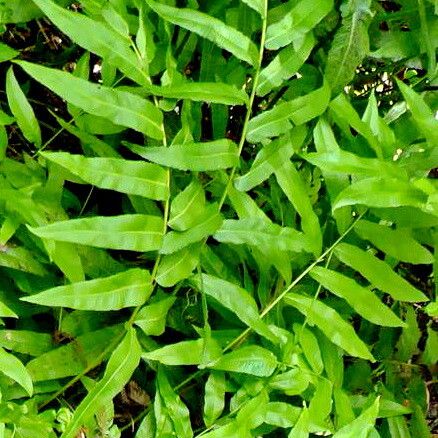
Hey there, fellow plant lovers! Today, we’re diving into the wonderful world of propagating Thelypteris serrata, also known as the Southern Shield Fern. If you’ve ever admired its graceful fronds and delicate beauty in a shady garden spot, you’re in for a treat. Growing more of these beauties yourself is incredibly satisfying, and I’m here to walk you through it.
Why Propagate Thelypteris serrata?
There’s something truly special about coaxing a new plant into existence. It’s like unlocking a little bit of nature’s magic right in your home. Thelypteris serrata is a relatively easy-to-propagate fern, making it a fantastic choice for both seasoned propagators and those just dipping their toes into the exciting hobby. Plus, who wouldn’t want more of those lovely, arching fronds to fill in shady corners or bring a touch of the tropics indoors?
The Best Time to Start
For the most success, I like to start propagating my Thelypteris serrata in late spring or early summer. This is when the plant is actively growing and has plenty of energy to put into establishing new roots. You want to work with healthy, vigorous parent plants to give your cuttings the best start.
Supplies You’ll Need
Gathering your supplies beforehand makes the whole process much smoother. Here’s what you’ll want in your gardening toolkit:
- Sharp, clean pruning shears or a sharp knife: For making clean cuts.
- Well-draining potting mix: I prefer a blend of peat moss, perlite, and a bit of compost. You can also use a commercial seed-starting mix.
- Small pots or propagation trays: With drainage holes, of course!
- Plastic bags or a propagation dome: To create a humid environment.
- Optional: Rooting hormone: While often not strictly necessary for ferns, it can give an extra boost.
Propagation Methods: Division is Key!
While you can try other methods, the most reliable and easiest way to propagate Thelypteris serrata is through division. This plant naturally forms clumps and produces new offsets, which are essentially baby plants attached to the mother.
Here’s how you do it:
- Gently unpot the parent plant. Tip the pot on its side and carefully slide the fern out.
- Inspect the root ball. You’ll likely see where new growth is emerging from the rhizomes (the underground stems). Look for sections that have their own roots and at least a few fronds.
- Carefully separate the divisions. You can often do this by hand, gently teasing the roots apart. If it’s stubborn, use your clean pruning shears or knife to cut through the rhizome, ensuring each new division has a good portion of roots and some foliage.
- Pot up the new divisions. Place each division in its own pot filled with your well-draining potting mix. Make sure the top of the rhizome is at or slightly below the soil surface.
- Water thoroughly. Give them a good drink until water runs out of the drainage holes.
- Create a humid environment. Cover the pots with a plastic bag or a propagation dome to trap moisture. Place them in a bright spot but out of direct sunlight.
The “Secret Sauce” (Pro Tips)
Here are a couple of tricks I’ve learned over the years that can really help your propagation efforts:
- “Green” Roots are Happy Roots: When you’re dividing, don’t worry too much if some of the rhizomes look a little brown or fibrous. What you really want to see is healthy, white or pale green new root growth at the base of your divisions. That’s a sign of vigorous life!
- Don’t Drench, Just Dampen: While humidity is crucial, soggy soil is the enemy of new roots. Check the soil moisture regularly. It should feel consistently moist but not waterlogged. If it feels heavy and saturated, you might need to gently squeeze out some excess water from the plastic bag or air out the dome.
Aftercare & Troubleshooting
Once your new Thelypteris serrata divisions show signs of new frond growth, you’re well on your way!
- Gradual Acclimation: Slowly remove the plastic bag or dome over a week or two, allowing the new plants to adjust to lower humidity.
- Consistent Moisture: Keep the soil evenly moist. These ferns love a good drink, but again, avoid sogginess.
- Shady Spot: Continue to keep them in a bright, indirect light location.
- Signs of Trouble: If your new divisions droop excessively, turn yellow, or the stems start to get mushy, it’s usually a sign of overwatering or rot. You might need to remove them from the pot, trim away any rotted parts, and repot in fresh, dry soil. Sometimes, a division might just be too weak to make it. Don’t be discouraged; it happens!
Keep Growing!
Propagating plants is a journey of patience and observation. Embrace the process, celebrate the small wins, and don’t be afraid to experiment. With a little care and these tips, you’ll soon have a whole collection of these beautiful Southern Shield Ferns to share or enjoy! Happy gardening!
Resource:
https://identify.plantnet.org/k-world-flora/species/Thelypteris%20serrata%20(Cav.)%20Alston/data