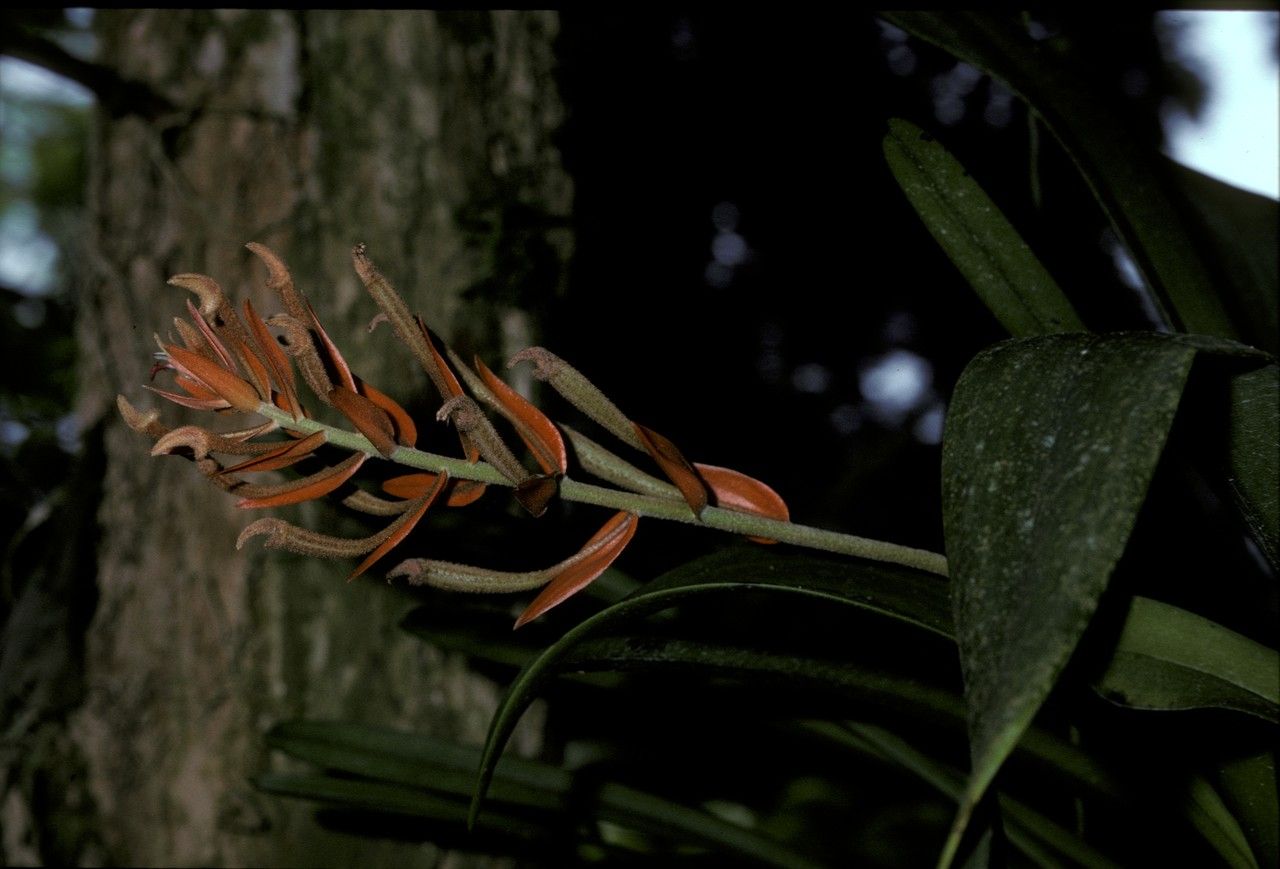
Hello there, fellow plant enthusiasts! It’s so lovely to sit down with you today. We’re going to talk about a truly charming little orchid, Thelasis micrantha. If you’ve ever admired its delicate, miniature blooms and wondered how to get more of this beauty for your own collection, you’re in the right place. Propagating orchids can sometimes feel a bit daunting, but with Thelasis micrantha, it’s a wonderfully rewarding endeavor. While not as straightforward as rooting a succulent, I’d say it’s achievable for those with a little patience and a curious spirit.
The Best Time to Start
When it comes to Thelasis micrantha, active growth periods are your best friends. This usually means spring and summer, when the plant is putting on new leaves and getting ready to bloom. Starting a propagation project when the plant is strong and has plenty of energy will significantly boost your chances of success. You want to catch it in its prime!
Supplies You’ll Need
Before we get our hands dirty, let’s gather our essentials. Think of this as assembling your gardening starter pack:
- Sharp Pruning Shears or a Clean Knife: For making clean cuts. Sterilize them with rubbing alcohol to prevent disease.
- Well-draining Potting Mix: A good orchid bark mix is perfect. Some growers also like to add a bit of perlite or sphagnum moss for extra aeration and moisture retention.
- Small Pots or Seed Trays: Clean and with drainage holes, of course!
- Rooting Hormone (Optional, but Recommended): This can really give your cuttings a helpful boost.
- Water: Clean, room-temperature water. Distilled or rainwater is ideal if your tap water is very hard.
- Clear Plastic Bags or a Propagator: To create a humid environment for your cuttings.
- Labels and a Marker: To keep track of what you’ve propagated and when.
Propagation Methods
Thelasis micrantha is most commonly propagated by division. This is my go-to method for this particular orchid, as it usually produces the most robust new plants.
Division: Bringing forth new life
This method is best done when the plant is actively growing and has produced several pseudobulbs (those swollen stem bases).
- Gently Remove from Pot: Carefully ease your Thelasis micrantha out of its current pot. If it’s stuck, a gentle tap on the pot’s sides or a careful run of a knife around the edge should help.
- Clean the Roots: Gently brush away as much of the old potting mix as you can from the root ball. This allows you to clearly see the rhizome (the creeping stem that connects the pseudobulbs) and where the divisions naturally occur.
- Identify Natural Divisions: Look for areas where the plant has produced new leads or where pseudobulbs are growing away from the main clump. The goal is to separate the plant into sections that each have at least 2-3 healthy pseudobulbs and good roots.
- Make the Cut: Using your clean pruning shears or knife, make a clean cut through the rhizome. Don’t force it if it feels like you’re ripping the plant. You want to separate, not destroy.
- Inspect and Treat: Examine the cut surfaces. If they look a bit wet or bruised, you can let them air dry for a few hours in a shaded spot before repotting. Some people like to dust the cut surfaces with a fungicide to prevent rot, which I sometimes do if the cuts seem a bit soft.
- Pot Up Your New Divisions: Plant each division in its own pot with fresh, well-draining orchid mix. Ensure the pseudobulbs are sitting just at the surface of the mix, not buried too deeply.
The “Secret Sauce” (Pro Tips)
Now, for a couple of little tricks I’ve learned over the years that can make all the difference:
- My absolute favorite tip for young divisions is creating a mini-greenhouse effect. After potting, I pop the entire pot into a clear plastic bag, sealing it loosely to allow some air exchange but maintain high humidity. This is particularly crucial for young divisions that haven’t yet established a strong root system. It mimics the humid jungle floor they’d naturally grow on.
- Another helpful hint is to avoid overwatering those fresh divisions! They can’t take up much water until new roots form. Instead of frequent watering, try to keep the potting mix consistently moist but never soggy. That high humidity within the bag will help keep the leaves turgid, giving the roots time to develop.
Aftercare & Troubleshooting
Once your divisions are potted, place them in a bright, indirect light location. Remember that mini-greenhouse? Keep that plastic bag on for a few weeks, or until you see signs of new growth. You can mist the inside of the bag lightly if it starts to look dry.
The biggest challenge you might face is rot. If you notice leaves turning yellow and mushy, or a dark, soft rot setting in at the base of the pseudobulb, it’s often a sign of too much moisture and not enough air circulation. In this case, you might need to unpot the affected division, cut away the rotted parts with a sterile blade, and let it air dry for a longer period before repotting in fresh, drier mix. It’s tough, but sometimes a little sacrifice helps you learn.
A Little Patience Goes a Long Way
Propagating Thelasis micrantha takes time, but seeing those tiny new roots emerge and a fresh leaf unfurl is incredibly satisfying. Don’t get discouraged if the first attempt isn’t perfect. Learn from it, keep a positive outlook, and enjoy the process of nurturing new life. Happy gardening!
Resource:
https://identify.plantnet.org/k-world-flora/species/Thelasis%20micrantha%20(Brongn.)%20J.J.Sm./data