Hey there, fellow plant lovers!
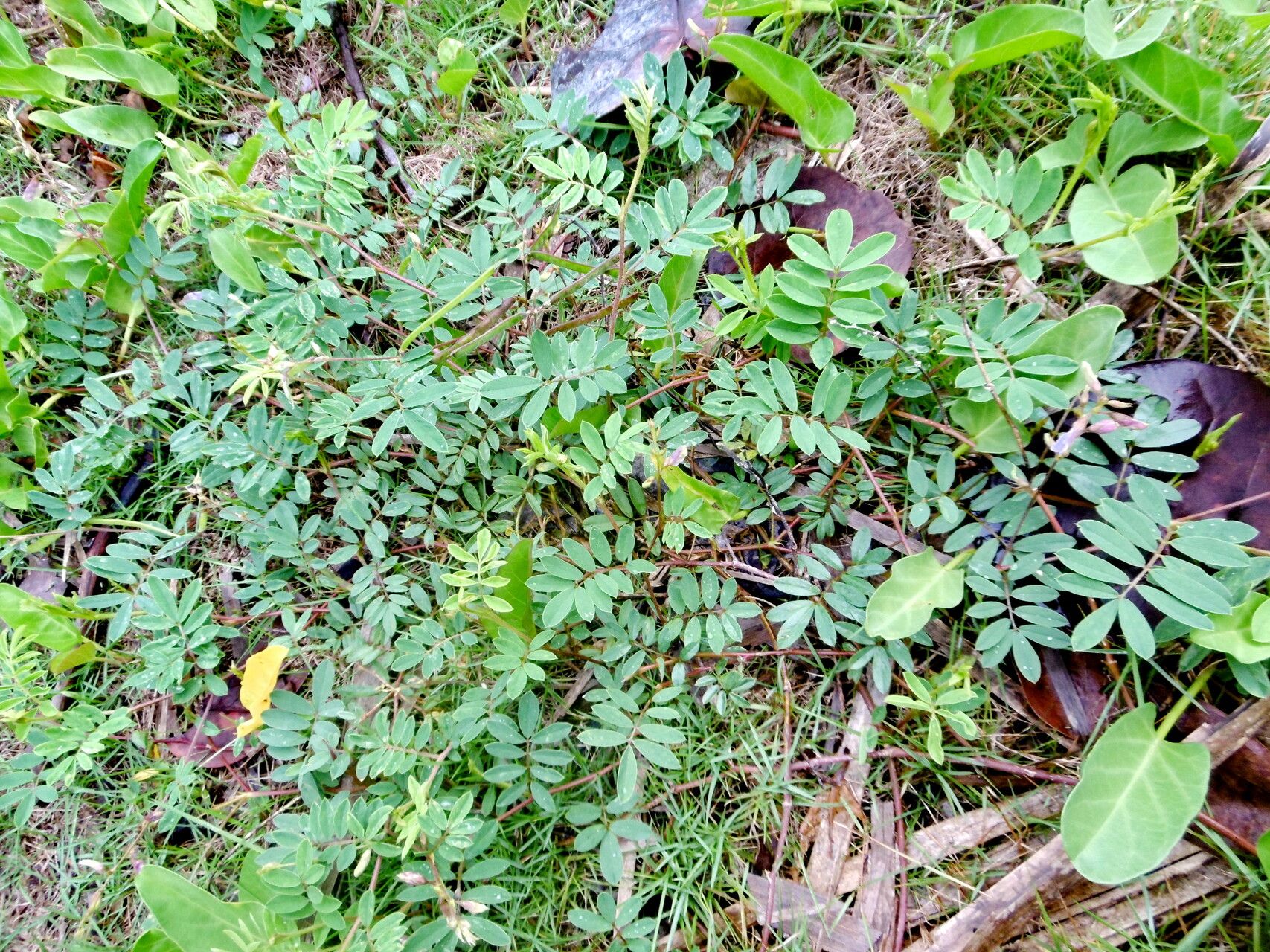
It’s so lovely to connect with you today. We’re going to dive into a fantastic little plant that deserves a spot in more gardens: Tephrosia cinerea. What’s not to love about this beauty? It’s a tough native with delicate, often fragrant flowers that attract all sorts of beneficial pollinators. Think of it as nature’s little workhorse, dressed up in a pretty outfit. Propagating it is a really rewarding way to fill your garden beds or share the love with friends. And the good news? If you’re just starting out, Tephrosia cinerea is quite forgiving! It’s a great plant to get your propagation feet wet with.
The Best Time to Start
For the highest success rate, I always find that spring is the sweet spot. Once the last frost has passed and the energy of new growth is really kicking in, that’s when your cuttings will be most eager to root. Aim for late spring to early summer. You’re looking for stems that are actively growing, but not so new that they’re still floppy and weak.
Supplies You’ll Need
Before we get our hands dirty, let’s gather our gear:
- Sharp Pruning Shears or a Craft Knife: Clean cuts are essential for healthy rooting.
- Small Pots or Seed Starting Trays: Choose pots with drainage holes.
- Well-Draining Potting Mix: A mix of perlite, coarse sand, and a good quality potting soil works wonders. You can even buy specific cactus or succulent mixes, which are often a great starting point.
- Rooting Hormone (Optional but Recommended): A little boost can make a big difference, especially if you’re a beginner. Look for a powder or gel.
- Watering Can or Mister: Gentle watering is key.
- Clear Plastic Bags or a Humidity Dome: To keep cuttings moist.
- Small Labels and a Marker: To keep track of what you’ve planted.
Propagation Methods
Tephrosia cinerea is wonderfully adaptable, and I’ve had great success with a couple of methods.
1. Stem Cuttings: My Go-To Method
This is hands-down my favorite way to propagate Tephrosia. It’s straightforward and generally yields the best results for me.
- Select Your Stems: Look for healthy, semi-hardwood stems. These are stems that have emerged this season, are firm, but not yet woody and brittle. You want to take cuttings that are about 4-6 inches long.
- Make the Cut: Using your clean shears or knife, make a cut just below a leaf node. This is where the magic happens, where roots are most likely to form.
- Prepare the Cuttings: Gently remove the leaves from the bottom half of the cutting. If using larger leaves, you can even cut them in half horizontally to reduce water loss.
- Apply Rooting Hormone (If Using): Dip the bottom end of the cutting into your rooting hormone, tapping off any excess.
- Plant Your Cuttings: Make small holes in your potting mix with a pencil or your finger. Insert the cuttings, ensuring the nodes you removed leaves from are buried. Gently firm the soil around them.
- Water Gently: Water the soil thoroughly but gently. You don’t want to disturb the cuttings.
- Create a Humid Environment: Cover the pots with a clear plastic bag, propped up with stakes so it doesn’t touch the leaves, or place them under a humidity dome. This is crucial for preventing the cuttings from drying out.
2. Water Propagation (A Fun Option!)
While cuttings in soil usually have a stronger root system from the start, water propagation is a fun way to watch the roots emerge.
- Follow Steps 1-3 from Stem Cuttings.
- Place in Water: Put the prepared cuttings in a jar or glass of clean water. Make sure no leaves are submerged, as this will cause them to rot.
- Find a Bright Spot: Place the jar in a location that receives bright, indirect light.
- Change Water Regularly: Refresh the water every few days to prevent stagnation and bacterial growth.
- Watch for Roots: You should start seeing tiny white roots emerge from the nodes within a few weeks. Once the roots are about an inch long, you can carefully transplant them into your potting mix.
The “Secret Sauce” (Pro Tips)
After years of coaxing plants to root, I’ve picked up a few tricks that really make a difference:
- Bottom Heat is Your Friend: If you have a seedling heat mat, placing your pots on it can significantly speed up root development, especially earlier in the spring. It mimics the warmth of the soil underfoot.
- A Gentle Airflow is Key: While you want humidity, stagnant air can lead to fungal issues. If your cuttings are in a very enclosed space, consider opening the plastic bag for an hour each day to allow for a bit of air circulation.
- Don’t Be Afraid to “Whisper” to Them: Okay, maybe not literally! But give them good light, consistent moisture, and a little patience. Sometimes, plants just need a bit of quiet encouragement to do their thing.
Aftercare & Troubleshooting
Once you start seeing new leafy growth or a noticeable tug when you gently test the cutting, that’s a good sign roots are forming!
- Acclimatize Gradually: If you used a plastic bag, gradually open it for longer periods over a week or two to let the new plant get used to normal humidity levels.
- Watering: Water your newly rooted cuttings when the top inch of soil feels dry. Avoid letting them sit in soggy conditions.
- Transplanting: Once the roots have filled the pot or they’re a good size to handle, you can transplant them into slightly larger pots with fresh potting mix.
Now, what if things don’t go as planned? The most common culprit is rot. If your cuttings turn black and mushy, it’s usually a sign of too much moisture and not enough airflow, or possibly a contaminated medium. Don’t get discouraged! Simply discard the rotted cuttings and try again with fresh material and a slightly drier approach. Sometimes, cuttings just don’t take, and that’s part of the gardening journey.
A Bit of Patience and Plenty of Joy
Propagating Tephrosia cinerea is a wonderful way to connect with nature and expand your garden. Remember to be patient with yourself and your new plant babies. Each cutting is an experiment, and the lessons you learn are invaluable. Enjoy the process, celebrate the successes, and don’t be afraid to get your hands dirty. Happy propagating!
Resource:
https://identify.plantnet.org/k-world-flora/species/Tephrosia%20cinerea%20(L.)%20Pers./data