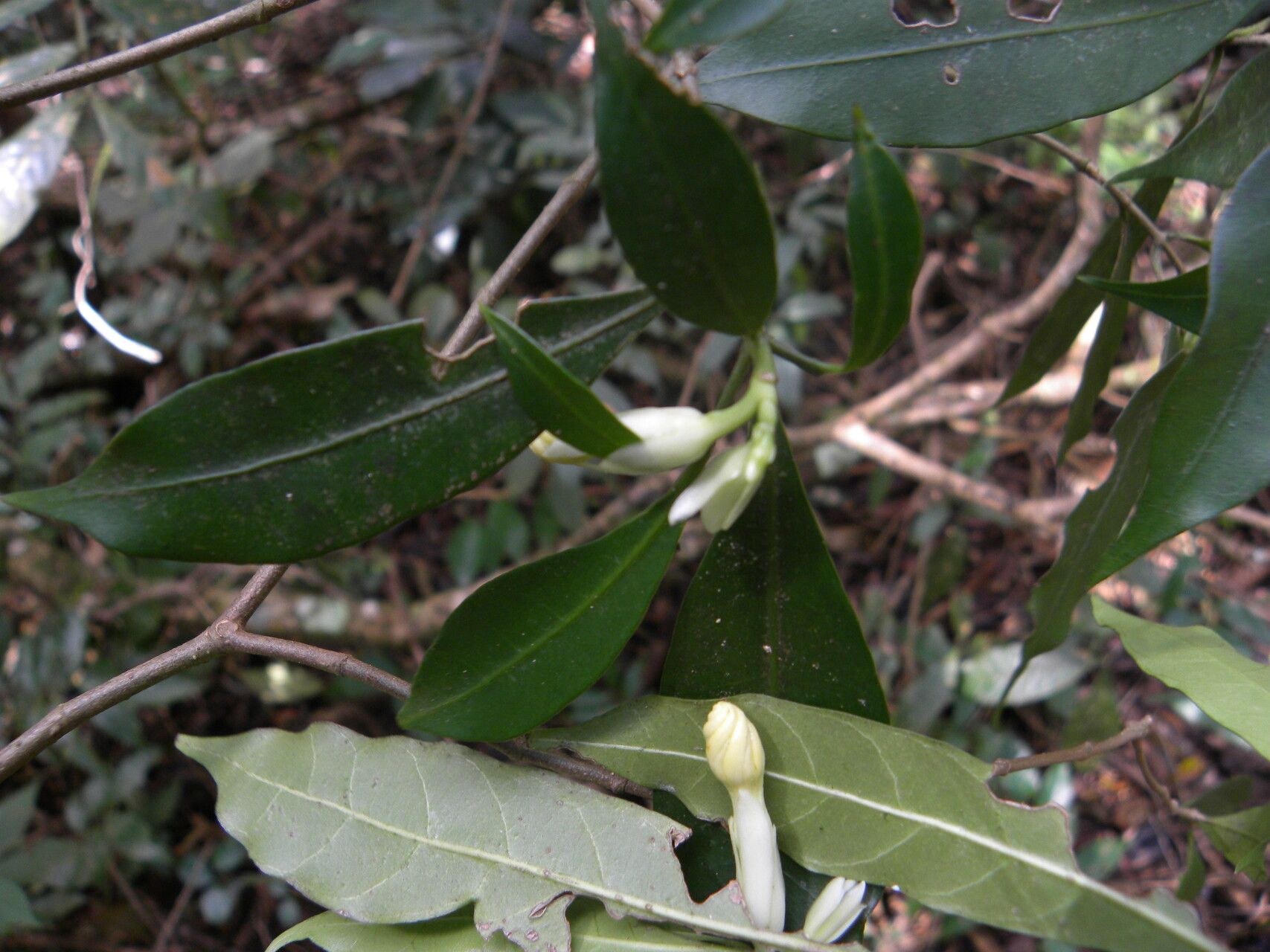
Hello fellow plant lovers! Today, we’re diving into the enchanting world of Tabernaemontana alfaroi, a truly special plant that brightens any space with its delicate, fragrant white blooms. You might know it by its common name, the “Mexican pinwheel flower,” and honestly, seeing those beautiful, pinwheel-shaped blossoms unfurling is pure garden joy.
Propagating this beauty is incredibly rewarding. It’s like multiplying your happiness, one sweet-smelling flower at a time! For beginners, while it’s not the absolute easiest plant out there, I wouldn’t call it overwhelmingly challenging either. With a little care and attention, you can absolutely be successful.
The Best Time to Start
My favorite time to take cuttings from Tabernaemontana alfaroi is usually in late spring or early summer. This is when the plant is actively growing and has plenty of energy to put into rooting new growth. You’re looking for stems that are semi-hardwood – they’re not brand new and floppy, but also not old and woody. Think of it as being firm enough to snap cleanly, but still flexible.
Supplies You’ll Need
Here’s what I always have on hand when I’m getting ready to propagate:
- Sharp Pruning Shears or a Craft Knife: For clean cuts, which are crucial for successful rooting.
- Rooting Hormone (Optional but Recommended): A powder or gel can give your cuttings a significant head start.
- A Well-Draining Potting Mix: A blend of peat moss or coco coir, perlite, and a bit of sand works wonders. I often use about a 50/50 mix of good quality potting soil and perlite.
- Small Pots or Trays: Clean pots are a must to prevent disease.
- Clear Plastic Bags or a Propagation Dome: To create a humid environment for your cuttings.
- Water: For misting and, if you choose, for water propagation.
- Patience: The most important ingredient!
Propagation Methods
Let’s talk about how we can create more of these lovely plants. I find stem cuttings to be the most reliable method for Tabernaemontana alfaroi.
Stem Cuttings
- Select Your Cuttings: Gently inspect your established plant and choose healthy, non-flowering stems that are about 4-6 inches long. Make your cuts just below a leaf node (where a leaf attaches to the stem).
- Prepare the Cuttings: Gently remove the lower leaves from the cutting, leaving only the top 2-3 leaves. If the remaining leaves are quite large, I like to snip them in half to reduce water loss.
- Apply Rooting Hormone (If Using): Dip the cut end of the stem into your rooting hormone, tapping off any excess.
- Planting: Fill your clean pots or trays with your well-draining potting mix. Make a small pilot hole in the soil with a pencil or your finger. Gently insert the prepared cutting into the hole, making sure the leaf nodes are below the soil surface. Firm the soil gently around the stem.
- Water and Cover: Lightly water the soil, ensuring it’s moist but not soggy. Then, cover the pot with a clear plastic bag or a propagation dome to maintain high humidity. You can support the bag with stakes so it doesn’t touch the leaves.
The “Secret Sauce” (Pro Tips)
Here are a couple of things I’ve learned over the years that really make a difference:
- Bottom Heat is Your Friend: Propagating Tabernaemontana alfaroi from cuttings benefits greatly from a little warmth from below. Using a heating mat specifically designed for plant propagation can dramatically speed up root development. It encourages robust root growth from the bottom up.
- Don’t Overwater the Potting Mix: While humidity is key, soggy soil is the enemy of cuttings. You want the potting mix to be consistently moist like a wrung-out sponge, not soaking wet. Excess water can lead to rot before any roots even have a chance to form.
Aftercare & Troubleshooting
Once your cuttings are potted, place them in a bright location with indirect light. Avoid direct sun, as it can scorch the delicate new growth. Mist the leaves occasionally if you aren’t using a dome, but primarily focus on keeping the soil evenly moist.
You’ll know your cutting is happy when you see new leaf growth, which is usually a sign of roots forming. This can take anywhere from 4 to 8 weeks, or even longer. Gently tug on the cutting; if you feel resistance, you’ve got roots! Once roots are well established, you can gradually acclimate your new plant to less humid conditions and eventually transplant it into its own pot.
The most common problem you’ll encounter is rot. If your cutting starts to turn mushy or black, it’s likely succumbed to too much moisture. Don’t be discouraged if this happens – it’s part of the learning process! Just discard the rotted cutting and try again with a fresh one. Another sign of trouble is if the stem completely wilts and goes limp without any signs of rooting – this could mean it’s too dry or not getting enough light.
A Little Patience Goes A Long Way
Propagating plants is a journey, and Tabernaemontana alfaroi is no exception. Be patient with your little cuttings, give them consistent care, and most importantly, enjoy the process of bringing new life into your garden. Watching those first roots appear is a thrill every single time, and soon you’ll have even more of those gorgeous blooms to share! Happy propagating!
Resource:
https://identify.plantnet.org/k-world-flora/species/Tabernaemontana%20alfaroi%20Donn.Sm./data