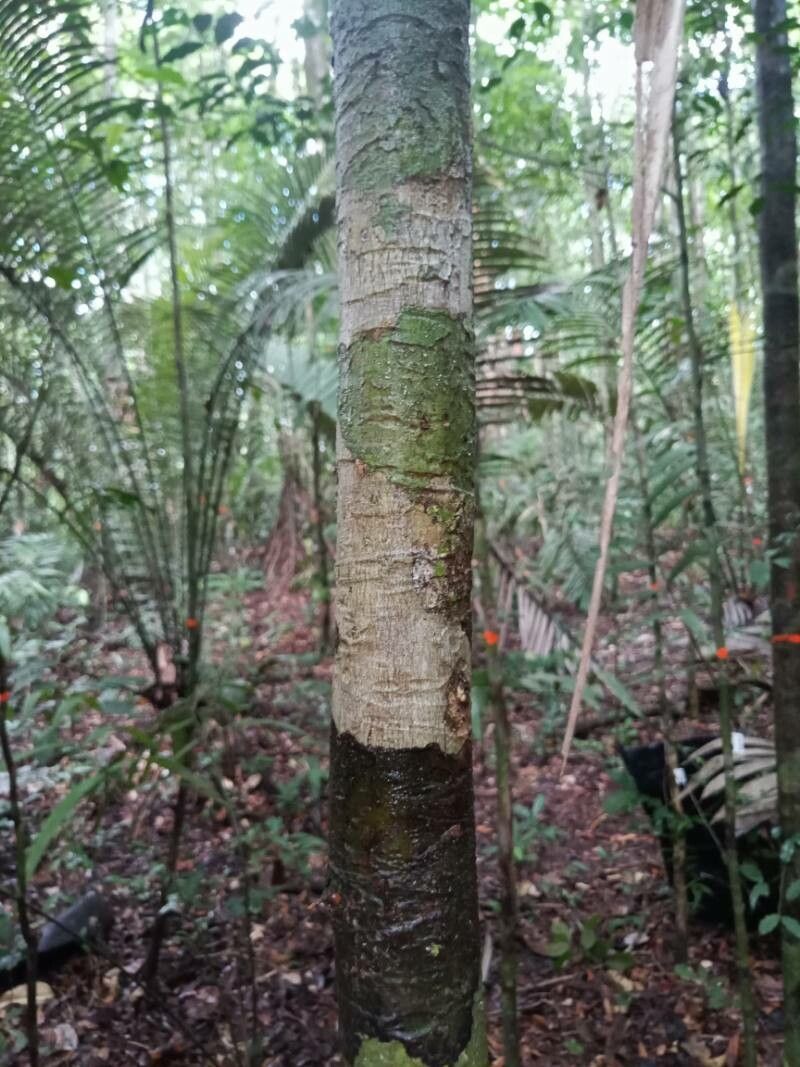
Hello there, fellow garden enthusiasts! It’s so lovely to sit down and chat with you today about a plant that truly captures my heart: Eugenia cupulata. You might know it by other names, like Pitanga or Surinam Cherry. Its glossy, evergreen leaves are a delight year-round, and if you’re lucky enough to get fruit, well, that’s a whole other joy! Growing new plants from an existing one – that’s propagation, my friends – is one of the most satisfying things we can do in the garden. It’s like unlocking a little bit of nature’s magic. Now, is Eugenia cupulata a walk in the park for a total beginner? I’d say it’s moderately easy, leaning towards rewarding for those willing to pay a little attention. The results are usually worth the effort!
The Best Time to Start
For the highest success rates with Eugenia cupukuplata, I always find late spring to early summer to be the sweet spot. This is when the plant is actively growing, and the new shoots are sappy and full of life. You’re looking for stems that are semi-hardwood – not brand new and floppy, but not old and woody either. They should snap cleanly when bent, rather than just bending limply. Propagating during this vibrant growth period gives your cuttings the best chance to establish themselves before the cooler months.
Supplies You’ll Need
Gathering your supplies beforehand makes the whole process so much smoother. Here’s what I always have on hand:
- Sharp Pruning Shears or a Clean Knife: For making clean cuts.
- Rooting Hormone (Optional, but Recommended): A powder or gel that encourages root development.
- Well-Draining Potting Mix: I like a blend of peat moss or coco coir, perlite, and a little bit of compost. Eugenia roots hate sitting in soggy soil.
- Small Pots or Trays: About 4-6 inch pots are perfect. Make sure they have drainage holes!
- Clear Plastic Bags or a Propagation Dome: To create a humid microclimate.
- A Spray Bottle: For misting.
- Labels and a Marker: Trust me, you’ll thank yourself later!
Propagation Methods
I’ve had the most luck with stem cuttings for Eugenia cupulata. It’s straightforward and yields good results.
Stem Cuttings
- Take Your Cuttings: In late spring or early summer, select healthy, semi-hardwood stems from your mature plant. Using your sharp pruning shears or knife, take cuttings that are about 4-6 inches long. Make the cut just below a leaf node (where a leaf attaches to the stem).
- Prepare the Cuttings: Gently remove the lower leaves, leaving just a few at the top. If any of the leaves are very large, you can even cut them in half horizontally; this reduces water loss without drastically reducing their ability to photosynthesize.
- Apply Rooting Hormone: Dip the cut end of each stem into rooting hormone (if you’re using it). Tap off any excess.
- Plant Your Cuttings: Fill your small pots with your well-draining potting mix. Make a small hole with your finger or a pencil. Insert the cut end of the stem into the hole, ensuring the leaf nodes you removed are below the soil surface. Gently firm the soil around the stem.
- Mist and Cover: Water the soil gently until it’s moist but not waterlogged. Then, lightly mist the foliage. Cover the pots with a clear plastic bag (tent it up so it doesn’t touch the leaves) or place them under a propagation dome. This traps humidity, which is crucial!
- Provide Light and Warmth: Place the pots in a bright location, but out of direct, scorching sunlight. A little bit of warmth from below (like a heat mat) can really speed things up, but isn’t strictly necessary if you’re in a warm climate.
The “Secret Sauce” (Pro Tips)
Here are a couple of things I’ve learned over the years that make a real difference:
- Don’t Drown Your Dreams: The biggest mistake I see new propagators make is overwatering. The soil should be consistently moist, like a wrung-out sponge, not soggy. If you can squeeze water out of the soil, it’s too wet.
- The Power of the Node: When you trim the leaves, make sure to remove them from the lower portion of the stem. This is where roots typically emerge, and giving them space without leaves helps them focus their energy on root development.
- Patience is a Virtue (with a little nudge): If you’re using rooting hormone, it really helps to give that stem a good shake before dipping. This ensures the hormone adheres well to the exposed tissue.
Aftercare & Troubleshooting
Once your cuttings have been in their cozy, humid environment for a few weeks, start checking for roots. You can do this by gently tugging on a cutting. If there’s resistance, you’ve got roots! Congratulations!
Once roots have formed, it’s time to slowly acclimate your new plants to the outside world. Gradually remove the plastic bag or dome over a week or two, letting them get used to less humidity. Continue to keep the soil consistently moist.
What if things don’t go as planned? The most common issue you might encounter is rot. This usually happens when the soil is too wet, or the humidity is too high without enough air circulation. If you see the stem turning black and mushy at the soil line, unfortunately, that cutting is likely lost. Don’t beat yourself up; it happens to all of us. Just try again, ensuring your soil drains well and you’re not overwatering. Sometimes, the cuttings just don’t take, and that’s okay too. Nature has its own plans sometimes!
So, there you have it! Propagating Eugenia cupulata is a truly rewarding endeavor. Be patient with yourself and your new plant babies. Observe them, learn from them, and most importantly, enjoy the process of bringing more green beauty into your life. Happy propagating!
Resource:
https://identify.plantnet.org/k-world-flora/species/Eugenia%20cupulata%20Amshoff/data