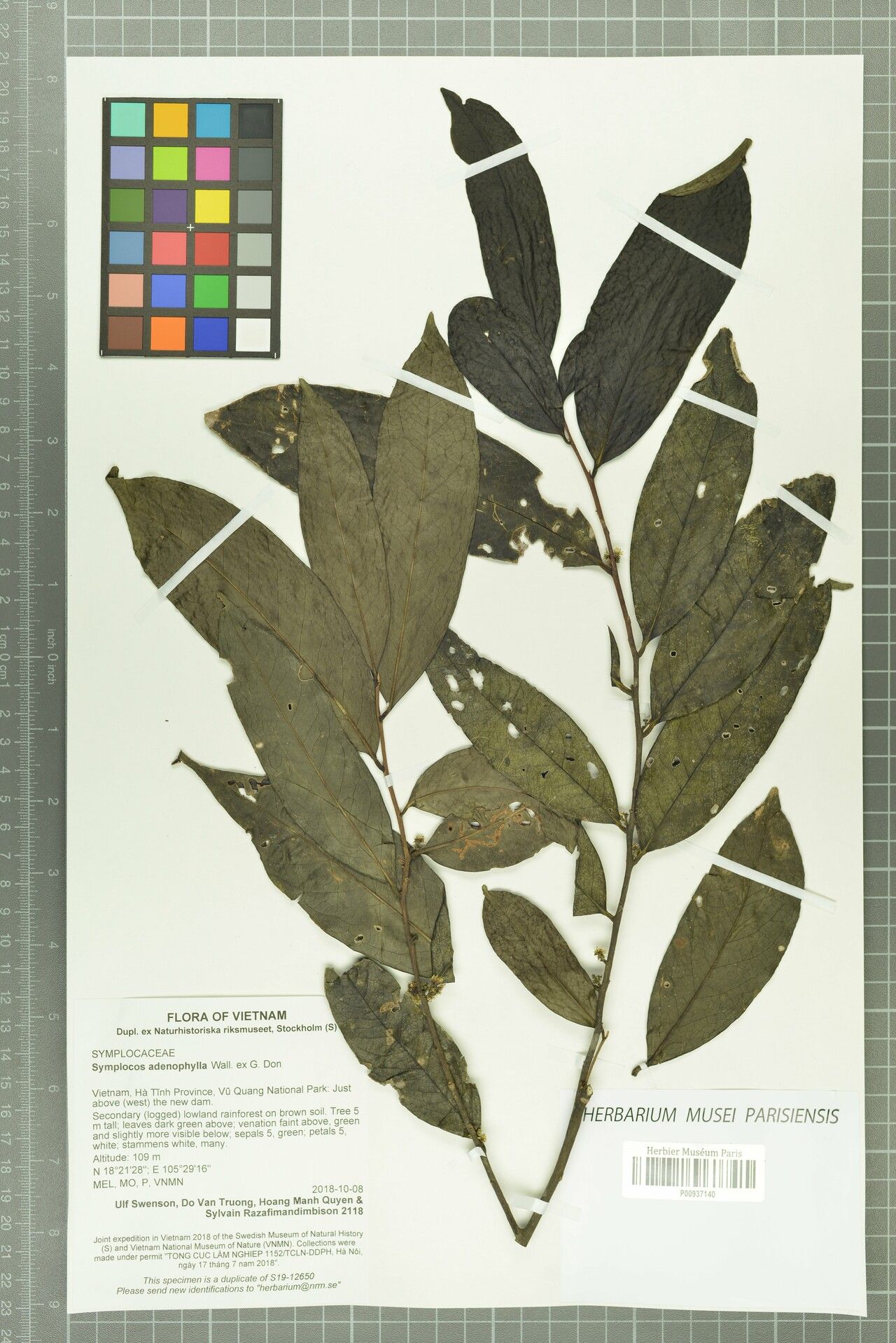
Oh, hello there, fellow plant enthusiast! I’m so glad you’ve stopped by. Today, we’re diving into the wonderful world of Symplocos adenophylla. If you’ve ever seen this beauty gracing a garden, you know its charm. The delicate, often white or pale pink, bell-shaped flowers are simply enchanting, and the lush foliage provides a lovely backdrop all season long. Propagating it is a fantastic way to share its beauty or simply expand your own collection without breaking the bank. It’s a plant that rewards your efforts beautifully.
Now, is it a beginner-friendly plant to propagate? Honestly, I’d say it leans towards being a little more on the intermediate side. It’s not terribly difficult, but it does appreciate a bit of thoughtful attention. Think of it as a friendly guide rather than a stern instructor.
The Best Time to Start
For the absolute best chance of success with your Symplocos adenophylla, I always recommend working with semi-hardwood cuttings. This means waiting until late spring to early summer. You’re looking for stems that have started to mature past the brand-new, floppy growth of spring, but haven’t fully hardened off into woody maturity. They should be flexible but firm, usually snapping cleanly when bent gently. This is when the plant is actively growing and has the best reserves to put towards rooting.
Supplies You’ll Need
Gathering your tools beforehand makes the whole process much smoother. Here’s what I usually have on hand:
- Sharp, clean pruning shears or a knife: A clean cut is crucial to prevent disease. I like to wipe mine down with rubbing alcohol between cuts.
- Rooting hormone powder or gel: This is a huge help, especially for slightly trickier plants. It encourages root development and can significantly speed things up.
- A well-draining potting mix: I prefer a blend of equal parts peat moss or coco coir and perlite or coarse sand. This ensures good aeration, which is vital for preventing rot. You can also buy specialized propagation mixes.
- Small pots or trays: Clean containers are a must. About 2-4 inches in diameter are perfect for cuttings.
- A clear plastic bag or a propagation dome: This creates a humid microclimate for your cuttings, which is essential for their survival before they develop roots.
- Optional but recommended: A heat mat: This provides gentle bottom warmth, which can dramatically improve rooting success.
Propagation Methods
For Symplocos adenophylla, stem cuttings are my go-to method. It’s tried and true and usually yields the best results.
- Select Your Cuttings: In late spring or early summer, find a healthy, non-flowering shoot on your mature plant. Using your clean shears, take cuttings that are about 4-6 inches long. Make the cut just below a leaf node (where a leaf attaches to the stem).
- Prepare the Cuttings: Gently remove the lower leaves from the cutting, leaving just a few at the very top. If the remaining leaves are very large, you can also cut them in half horizontally to reduce water loss through transpiration.
- Apply Rooting Hormone: Dip the cut end of the stem into your rooting hormone powder or gel, tapping off any excess. This ensures a good coating.
- Pot Up Your Cuttings: Fill your clean pots with your prepared potting mix. Make a small hole in the center of the mix with your finger or a pencil. Insert the cutting into the hole, making sure the nodes where the leaves were removed are buried. Gently firm the soil around the base of the cutting.
- Create Humidity: Water the soil gently until it’s moist but not waterlogged. Then, either place a clear plastic bag loosely over the pot, ensuring it doesn’t touch the leaves, or cover the pots with a propagation dome.
- Provide the Right Environment: Place the pots in a location that receives bright, indirect light. Avoid direct sun, which can scorch the young cuttings. If you have a heat mat, place the pots on it. Aim for a consistent temperature of around 70-75°F (21-24°C). If you don’t have a heat mat, a warm spot in your home should suffice.
The “Secret Sauce” (Pro Tips)
Alright, lean in for a couple of things that have really made a difference for me over the years:
- The Air Circulation Trick: Even with your bag or dome, it’s wise to open it up for a few minutes each day to allow for some fresh air exchange. This helps prevent fungal issues and keeps things from getting too stagnant. You’ll get a feel for it.
- Bottom Watering is Your Friend: Instead of watering from the top, which can disturb delicate cuttings, I often place the pots in a tray of water and let them soak it up from the bottom. When the surface of the soil feels moist, remove them from the tray. This ensures even moisture distribution without disturbing the roots that are starting to form.
Aftercare & Troubleshooting
Once your Symplocos adenophylla cuttings have started to root – this can take anywhere from 4 to 8 weeks, or sometimes longer – you’ll start to see signs of new growth. You can gently tug on a cutting; if there’s resistance, roots have formed!
- Gradual Acclimation: Once roots are established, begin to gradually acclimate your new plants to normal humidity levels. Slowly open the plastic bag or dome over a week or two.
- Small Potting Up: When they have a decent root system, you can pot them up into slightly larger individual pots with your regular potting mix.
- Bright, Indirect Light: Continue to provide bright, indirect light. As they grow stronger, you can gradually introduce them to more direct morning sun.
- Watch for Rot: The biggest culprit for failure is overwatering leading to root rot. If your cuttings look limp, mushy, or have a foul smell, it’s likely rot. This is often caused by too much moisture and not enough air circulation. Unfortunately, once rot sets in, it’s hard to recover. Don’t be discouraged; just try again! Another sign of trouble is if the stems turn black and mushy.
Propagating plants is a journey, and it’s always a learning experience. Be patient with your little Symplocos adenophylla babies. Celebrate the successes, learn from the disappointments, and most importantly, enjoy the process of coaxing new life from your established plants. Happy propagating!
Resource: