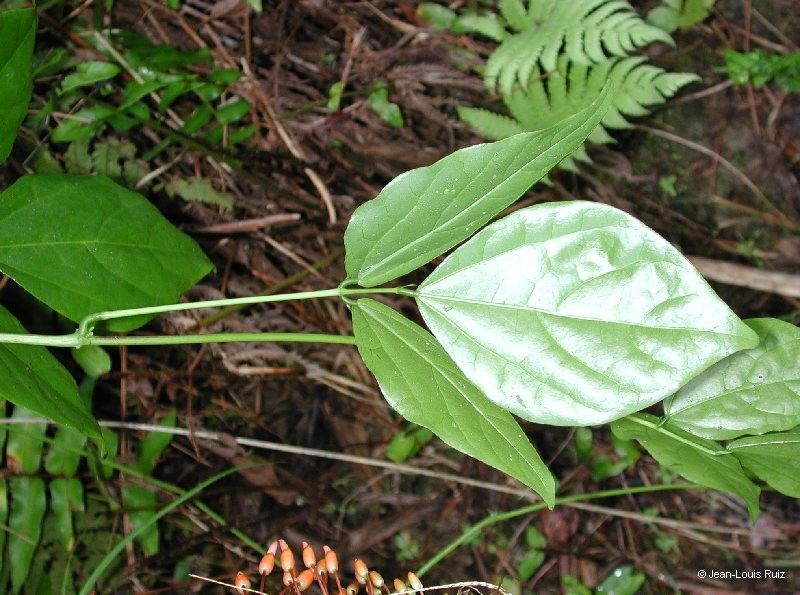
Oh, hello there! Come on in, pull up a chair. I’ve got a warm mug of tea here for you, and I’m just itching to chat about a truly spectacular plant: Strongylodon lucidus, or more commonly, the Jade Vine.
Why You’ll Love Propagating Jade Vine
If you’ve ever seen a trellis dripping with those incredible, luminous turquoise-green flowers, you know exactly what I’m talking about. Jade Vine is a showstopper, a true tropical jewel that brings a burst of vibrant color and unique form to any space. While it’s not the absolute easiest plant for a brand-new beginner, with a little patience and the right approach, propagating it can be incredibly rewarding. Seeing a tiny cutting transform into a vibrant new plant is a magical feeling, and it means you can share this beauty with friends or expand your own collection.
The Best Time to Start
Honestly, the sweet spot for taking cuttings is during the plant’s active growing season. Think late spring through summer. This is when the plant is full of energy, pushing out new growth, and has the best chance of successfully rooting. Avoid trying to propagate when the plant is dormant or stressed, like during a cold snap or extreme heat.
Supplies You’ll Need
Gathering your tools beforehand makes the whole process smoother. Here’s what I usually have on hand:
- Sharp Pruning Shears or a Clean Knife: You want a clean cut to prevent disease.
- Potting Mix: A really well-draining mix is crucial. I like to use a blend of perlite, coco coir, and a bit of orchid bark. For a simpler approach, a good quality cacti and succulent mix works well too.
- Small Pots: Whatever size you need for your cuttings, but ensure they have drainage holes. Terracotta pots are my personal favorite for cuttings because they breathe.
- Rooting Hormone (Optional but Recommended): This really gives your cuttings a boost, especially if you’re a bit anxious about the process. Gel or powder forms are fine.
- Plastic Bags or a Propagation Dome: This helps maintain humidity, which is key for cuttings.
- Labels and a Pen: Don’t underestimate the power of labeling! You’ll thank yourself later.
- A Watering Can with a Fine Rose: Gentle watering prevents disturbing your new roots.
Propagation Methods: Stem Cuttings
This is usually the most straightforward and successful way to propagate Jade Vine.
- Select Your Cuttings: Look for healthy, semi-hardwood stems that are at least 6-12 inches long. You want stems that are not too soft and green (they’ll rot easily) and not completely woody. A slight bend test is good – if it snaps cleanly, it’s probably about right. Avoid flowering stems.
- Make the Cut: Using your sterilized shears or knife, make a clean cut just below a leaf node (where a leaf attaches to the stem). This is where the magic of root formation often begins.
- Prepare the Cutting: Gently remove the lower leaves from the bottom 2-3 inches of the stem. This prevents them from rotting once planted in the soil. You can leave a few leaves at the top for photosynthesis. If your leaves are very large, you can even cut them in half horizontally to reduce water loss.
- Apply Rooting Hormone (If Using): Dip the cut end of the stem into rooting hormone, tapping off any excess.
- Plant Your Cuttings: Fill your small pots with your well-draining potting mix. Make a small hole with your finger or a pencil, and insert the cut end of the stem deep enough so it’s firm and the nodes where you removed leaves are covered. Gently firm the soil around the stem.
- Water Gently: Water thoroughly until you see water draining from the bottom of the pot.
- Create a Humid Environment: Cover the pot with a clear plastic bag, making sure the bag doesn’t touch the leaves too much, or place it under a propagation dome. You can also put several cuttings in one larger pot.
- Find a Warm Spot: Place the pots in a warm location with bright, indirect light. Avoid direct, scorching sun.
The “Secret Sauce” (Pro Tips)
- Don’t Let the Leaves Touch the Water (in this case, soil): When you plant your cuttings, make absolutely certain that no leaves are buried in the soil. Rot is the enemy, and buried leaves are an express ticket to it.
- Consider a Little Heat: Jade Vine roots are tropical! If you have a heat mat, placing your pots on it can significantly speed up root development. It’s like a little spa treatment for your cuttings.
- Patience is a Virtue (and a Necessity): Some cuttings root in a few weeks, others can take a couple of months. Don’t give up too soon! Resist the urge to constantly tug on them to check for roots. You’ll know they’ve rooted when you see new growth emerging or feel a gentle resistance when you very lightly tug.
Aftercare & Troubleshooting
Once you see signs of new growth, or feel that resistance when you gently tug, it’s time to start transitioning your new plant.
- Gradually Acclimate: Begin by taking the plastic bag off for a few hours each day, slowly increasing the time until the plant is used to normal humidity.
- Watering: Water when the top inch of soil feels dry. Ensure good drainage.
- Light: Continue to provide bright, indirect light.
- Troubleshooting: The most common issue is rot. If a cutting turns black and mushy, it’s usually a sign of too much moisture and insufficient drainage. If you see this, remove the offending cutting immediately and check your soil mix and watering habits. Yellowing leaves can sometimes indicate too much or too little water, or insufficient light.
Keep Growing!
Propagating Jade Vine might take a little effort, but the thrill of nurturing a new plant from a simple stem cutting is truly unmatched. Be patient with your little green babies, give them the warmth and light they crave, and enjoy the process. Happy gardening, my friend!
Resource:
https://identify.plantnet.org/k-world-flora/species/Strongylodon%20lucidus%20(G.Forst.)%20Seem./data