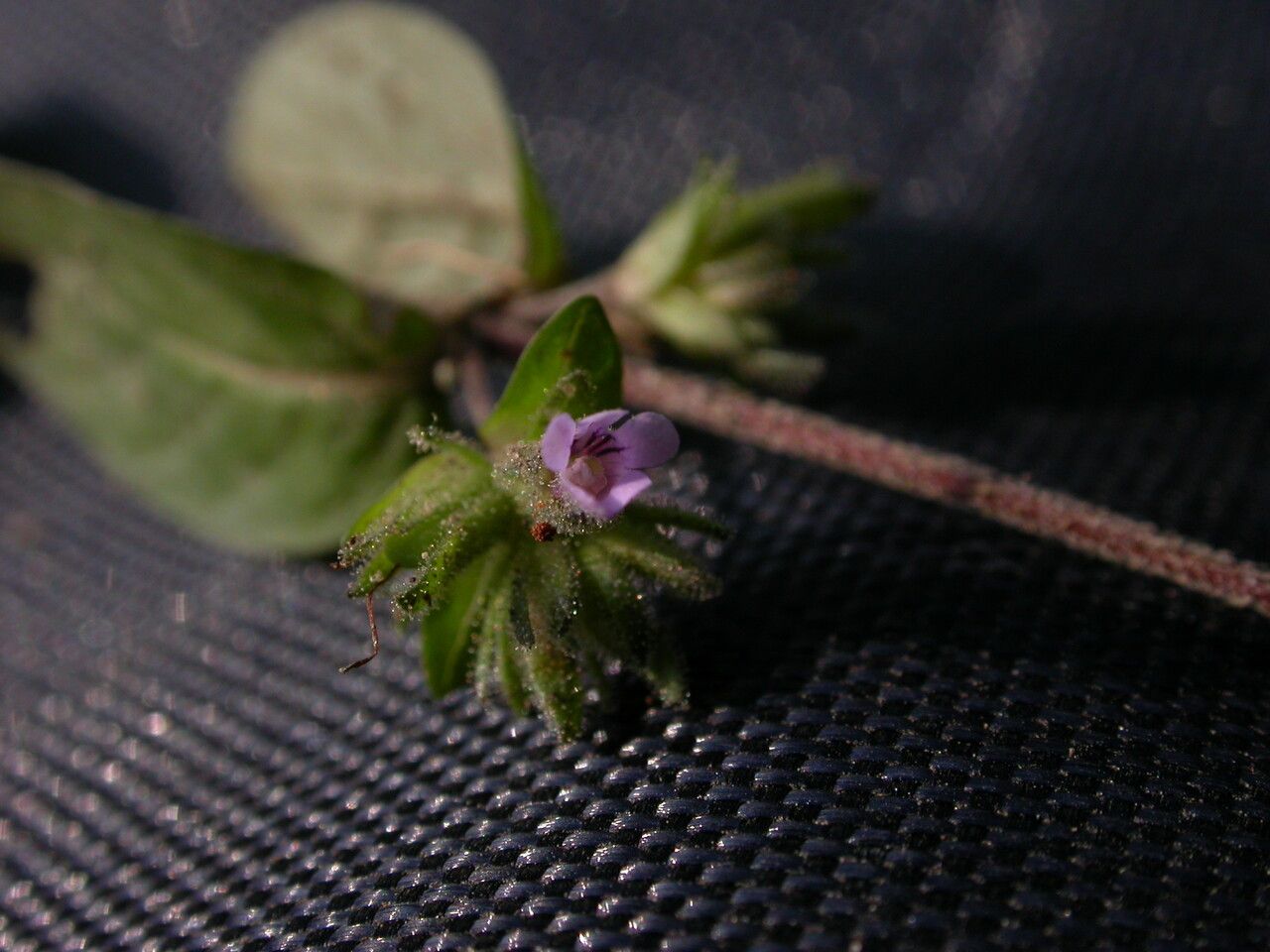
Hey there, fellow plant enthusiasts!
Let’s talk about a real gem for any aquascape or terrarium: Staurogyne humilis. This little plant has this lovely carpet-forming habit and a beautiful, bright green color that just makes every underwater scene pop. Plus, it’s surprisingly versatile, happy in both submerged and emersed settings. And the best part? Propagating it is a fantastic way to expand your collection without spending a fortune. It’s also a pretty forgiving plant to propagate, so if you’re new to this whole plant parenting thing, you’re in for a treat!
The Best Time to Start
Honestly, Staurogyne humilis is pretty keen to grow year-round, but I find the absolute sweet spot for propagation is during its active growing season. Think spring and summer. When the days are longer and warmer, your cuttings will have the energy to root much faster. You can even get away with it in early fall if your indoor conditions are nice and stable.
Supplies You’ll Need
To make the magic happen, gather these essentials:
- Sharp pruning shears or scissors: Clean cuts are key.
- A clean container: For water propagation or holding your cuttings.
- Potting mix: A well-draining mix is crucial. I like a blend of peat moss, perlite, and a bit of aquarium substrate if I’m using it for aquascaping. For a purely terrestrial setup, a standard houseplant mix with added perlite works.
- Rooting hormone (optional but recommended): Especially for tougher stem cuttings, this gives them a little boost.
- Small pots or trays: For potting up your rooted cuttings.
- Spray bottle: For misting.
Propagation Methods
Staurogyne humilis is quite accommodating. Here are the easiest ways to get more of this lovely plant:
1. Stem Cuttings (My Go-To for Beginners!)
This is hands-down the most rewarding and simple method.
- Select a healthy stem: Look for a vigorous, non-flowering stem.
- Make the cut: Using your clean shears, snip off a piece that’s about 3-5 inches long. Make the cut just below a leaf node (that little bump where a leaf grows from the stem).
- Prepare the cutting: Gently remove the lowest couple of leaves from the stem. This exposes the node, which is where the roots will emerge.
- Apply rooting hormone (optional): If you’re using it, dip the cut end into the rooting hormone powder, tapping off any excess.
- Plant the cutting:
- For aquascaping: Gently push the cut end into your substrate. Make sure the nodes are covered.
- For terrariums/pots: Moisten your potting mix. Poke a small hole with your finger or a pencil, then carefully insert the cutting. Gently firm the soil around the stem.
- Provide moisture: Mist the cutting every day with your spray bottle. The goal is to keep the humidity high.
2. Water Propagation
This is super satisfying to watch!
- Prepare the cutting: Follow the same steps as above to create a healthy stem cutting.
- Place in water: Submerge the cut end (with the lower leaves removed) in a small jar or glass of distilled or dechlorinated water.
- Positioning is key: Ensure no leaves are touching the water. If they are, they’ll rot and likely kill your cutting. You can trim off more leaves if needed to keep them above the waterline.
- Find a bright spot: Place the container in a location with bright, indirect light.
- Change the water regularly: Swap out the water every few days to keep it fresh and prevent algae buildup.
- Watch for roots! You should start seeing tiny white roots emerge from the nodes in a week or two. Once those roots are about an inch long, you can carefully transplant them into soil or their final aquatic home.
The “Secret Sauce” (Pro Tips)
Alright, here are a few little tricks I’ve picked up over the years that can really up your propagation game:
- Bottom Heat is Your Friend: Especially if you’re propagating in cooler months or your home tends to be a bit chilly, placing your pots or trays on a seedling heat mat can make a world of difference. It encourages the roots to develop much faster by keeping the soil consistently warm.
- The “Greenhouse” Effect: To keep humidity super high, which Staurogyne humilis absolutely loves, cover your pots with a clear plastic bag or a propagation dome. This traps moisture and creates that humid environment cuttings crave. Just make sure to open it up for a few minutes daily to allow for air circulation and prevent fungal issues.
- Patience with the Planting: When you transition a water-propagated cutting to soil, or if you’re potting up a very young stem cutting, don’t be tempted to plant it too deep or pack the soil too tightly. Give those delicate new roots room to breathe and grow.
Aftercare & Troubleshooting
Once you see those promising little roots forming, it’s time for a slightly different approach.
- For Water Cuttings: Once your roots are about an inch long, you can carefully transplant them into your substrate or potting mix. Treat them gently – those new roots are still fragile! Keep the soil consistently moist but not waterlogged.
- For Soil Cuttings: Continue to mist regularly and keep the soil barely moist. As the plant grows taller and shows new leaf development, you can gradually reduce the misting and allow the soil to dry out slightly between waterings, much like you would care for a mature plant.
- Signs of Trouble: The most common issue you’ll encounter is rot. If you see parts of your cutting turning mushy and brown, it’s usually a sign of too much moisture and not enough airflow. Discard any rotting bits immediately and ensure your conditions aren’t overly soggy. Another sign of failure is simply no new growth after several weeks. This might mean your cutting wasn’t viable, or the conditions just weren’t quite right. Don’t get discouraged – just try again!
A Little Encouragement
Propagating plants is such a rewarding journey. It teaches you about patience, observation, and the sheer resilience of nature. Don’t be afraid to experiment, and remember that every gardener has lost a cutting or two – it’s all part of the learning process! Enjoy watching your little Staurogyne humilis babies take root and thrive. Happy growing!
Resource:
https://identify.plantnet.org/k-world-flora/species/Staurogyne%20humilis%20(Nees)%20Kuntze/data