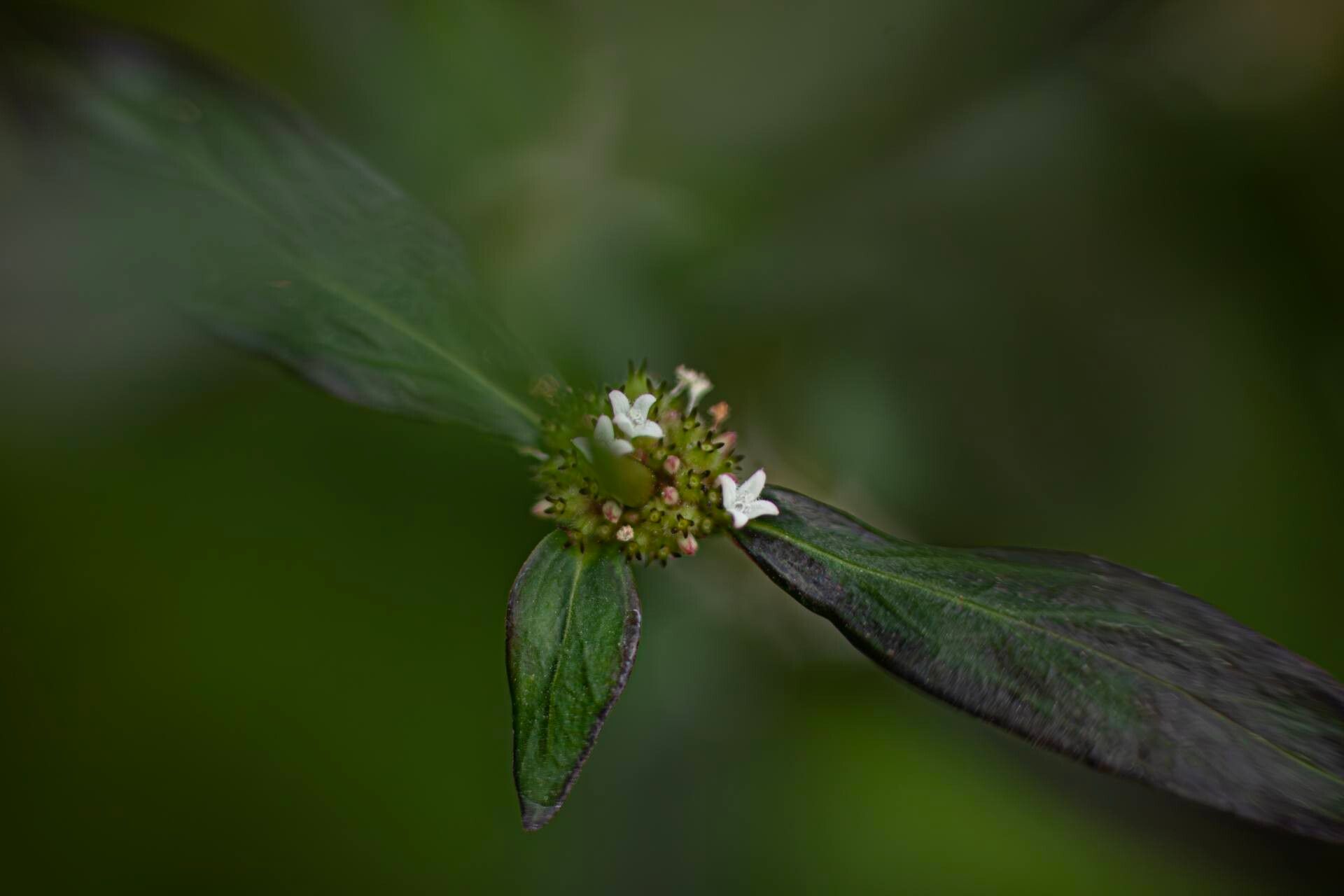
Ah, Spermacoce remota! If you’re looking for a plant that brings a touch of delicate charm to your garden or home, you’ve found a winner. Its tiny, star-shaped flowers, often in shades of white or soft pink, are an absolute delight. And the best part? It’s surprisingly rewarding to multiply this beauty. For beginners, I’d say Spermacoce remota is moderately easy to propagate, meaning with a little patience and attention, you’ll be successful. It’s a wonderful plant to get your hands dirty with!
The Best Time to Start
When it comes to getting the most bang for your propagation buck, I always reach for my tools in late spring or early summer. This is when the plant is in its most vigorous growth phase. You’ll find it’s much more willing to send out new roots when it’s already buzzing with energy. Think of it like a productive hum in the garden – that’s your cue!
Supplies You’ll Need
Before we dive in, let’s gather our essentials. Having everything ready makes the process so much smoother.
- Sharp, clean pruning shears or scissors: For making precise cuts that heal well.
- Rooting hormone (optional, but helpful for faster rooting): Look for one specifically for stem cuttings.
- Well-draining potting mix: I like a blend of peat moss, perlite, and a bit of compost. You want air to circulate around the roots.
- Small pots or seed trays: Clean ones are key to preventing disease.
- Watering can or spray bottle: For gentle hydration.
- Plastic bag or clear propagation dome: To create a mini-greenhouse effect.
Propagation Methods
Spermacoce remota is a fantastic candidate for stem cuttings. It’s my go-to method because it’s straightforward and yields great results.
-
Take Your Cuttings: Gently select a healthy, non-flowering stem from your mature plant. Using your clean shears, make a cut just below a leaf node (where a leaf attaches to the stem). Aim for cuttings that are about 3-4 inches long. Remove any lower leaves, leaving just a couple at the top.
-
Apply Rooting Hormone (Optional): If you’re using rooting hormone, dip the cut end of the stem into the powder or gel. Gently tap off any excess.
-
Plant Your Cuttings: Fill your small pots with the well-draining potting mix. Make a small hole in the center with your finger or a pencil. Insert the cut end of your stem cutting into the hole, ensuring the leaf nodes are buried (this is where roots will form). Gently firm the soil around the cutting.
-
Water Gently: Water the soil thoroughly but gently, making sure not to dislodge your cuttings.
-
Create a Humid Environment: This is crucial! Cover the pot with a clear plastic bag or a propagation dome. Make sure the bag doesn’t touch the leaves of the cuttings if possible (you can use small stakes to prop it up). Place the pot in a bright spot, but out of direct, harsh sunlight.
The “Secret Sauce” (Pro Tips)
Now, for a couple of things I’ve learned over the years that can really tip the scales in your favor:
- Never let the leaves touch the bottom of the pot or the soil surface. They can easily rot, and that’s the last thing you want for your precious new plant-to-be.
- Consider bottom heat. If you have a heat mat you use for seedlings, placing your pot on it can really speed up rooting, especially if your home isn’t very warm. It mimics the cozy conditions the plant loves.
Aftercare & Troubleshooting
Once your cuttings are planted, keep an eye on them. The soil should remain consistently moist, but not waterlogged. Check every few days – if the soil feels dry to the touch, give it a gentle watering. You’re looking for signs of new growth, which usually indicates roots are forming. This can take anywhere from a few weeks to a couple of months.
The biggest hurdle you might encounter is rot. If you see wilting or mushy stems, it’s usually a sign of too much moisture and not enough air circulation. In this case, gently remove the affected cutting, check the soil moisture, and perhaps remove the plastic bag for a day or two to let things dry out a bit.
A Encouraging Closing
Propagating plants is a journey, and with Spermacoce remota, it’s a truly delightful one. Be patient, enjoy the process, and celebrate every tiny new leaf or root you discover. Before you know it, you’ll have a whole collection of your very own! Happy growing!
Resource:
https://identify.plantnet.org/k-world-flora/species/Spermacoce%20remota%20Lam./data