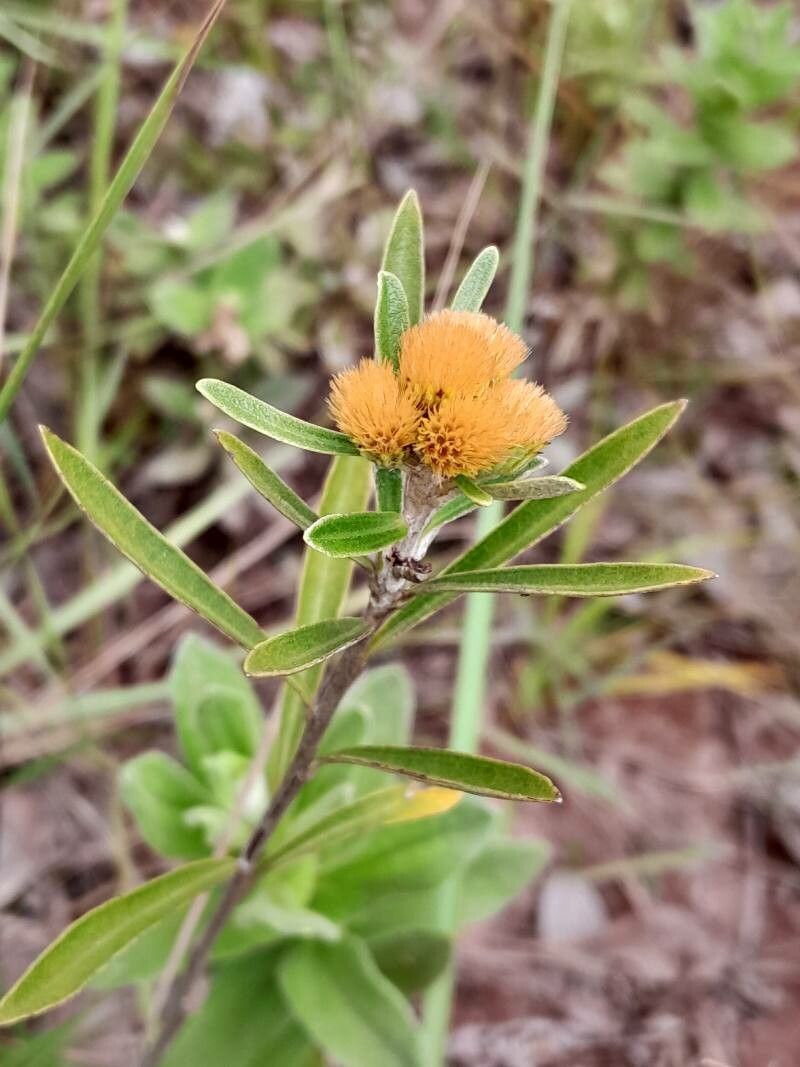
Oh, hello there! Pull up a chair and let’s chat plants. I’m so excited to talk about Distephanus polygalifolius today. If you haven’t met this beauty yet, imagine delicate, starry flowers that seem to glow with an inner light, often in shades of soft violet or dreamy blue. It’s a real charmer that can bring a touch of ethereal magic to any garden. And the best part? You can easily bring more of that magic into your own space by propagating it!
Now, I’ll be honest, Distephanus polygalifolius isn’t always the absolute easiest plant for a complete beginner to propagate. It likes a bit of consistent care. But with a little patience and following a few key steps, I promise you’ll feel incredibly proud of your tiny new plants. It’s a wonderfully rewarding feeling to watch a cutting grow into its own vibrant life.
The Best Time to Start
For the highest success rate with Distephanus polygalifolius, aim for late spring to early summer. This is when the plant is actively growing, producing lots of fresh, pliable stems. Softwood cuttings taken during this period have a fantastic ability to root quickly. Avoid taking cuttings from old, woody growth; they’ll be much slower to take, if they take at all.
Supplies You’ll Need
Gathering your supplies beforehand makes the whole process smoother. Here’s what I usually have on hand:
- Sharp, clean pruning shears or a razor blade: For making precise cuts.
- Rooting hormone powder or gel: This is your secret weapon for encouraging root development.
- Well-draining potting mix: I like a blend of peat moss or coco coir, perlite, and a bit of coarse sand. A good seedling mix works wonders too.
- Small pots or propagation trays: With drainage holes, of course!
- Clear plastic bags or a propagation dome: To create a humid microclimate.
- Watering can with a fine rose or a spray bottle: For gentle watering.
- Labels and a permanent marker: So you don’t forget what’s what!
Propagation Methods
Let’s get our hands dirty! Stem cuttings are my go-to method for Distephanus polygalifolius because it usually responds beautifully.
Stem Cuttings:
- Select your stem: Find a healthy, non-flowering stem on your mature plant. Look for stems that are flexible but not floppy, ideally about 4-6 inches long.
- Make the cut: Using your sterile shears or razor blade, make a clean cut just below a leaf node (the point where a leaf attaches to the stem). This is where root formation is most likely to occur.
- Prepare the cutting: Gently remove the leaves from the bottom half of the stem. You want to leave just one or two sets of leaves at the top. If the remaining leaves are very large, you can snip them in half to reduce water loss.
- Apply rooting hormone: Dip the cut end of the stem into your rooting hormone, tapping off any excess. This step really helps boost your success rate.
- Pot it up: Fill your small pot with your prepared, moistened potting mix. Make a small hole with your finger or a pencil.
- Insert the cutting: Gently place the hormone-coated end of the cutting into the hole and firm the soil around it. Make sure at least one leaf node is buried in the soil.
- Water gently: Water the soil thoroughly but gently. You don’t want to dislodge your precious cutting.
- Create humidity: Cover the pot with a clear plastic bag or place it under a propagation dome. This traps moisture, which is crucial for cuttings that haven’t developed roots yet. Use a small stake or two if needed to keep the bag from touching the leaves.
The “Secret Sauce” (Pro Tips)
Now for a couple of things I’ve learned over the years that make a real difference:
- The “Bottom Heat” Trick: If you have it, placing your potted cuttings on a gentle heating mat designed for propagation can significantly speed up root development. Roots love a bit of warmth from below! It mimics the conditions under a plant in summer.
- Shadow Play: While your cuttings need light, direct, scorching sun will cook them under that plastic bag. Find a bright spot, but make sure it’s out of harsh midday sun. A bright, indirect light is perfect.
- The “Don’t Touch” Rule: If you’re using water propagation (though I find cuttings in soil are often more robust for Distephanus), make sure no leaves are submerged in the water. Leaves in water will rot quickly and can even kill your cutting before it roots.
Aftercare & Troubleshooting
Once your cuttings have rooted – and you’ll know because you’ll see some new growth and feel a gentle tug when you lightly pull on the stem – it’s time for a little more attention.
Gradually remove the plastic bag or dome over a week or so to acclimate your new plant to normal humidity. Continue to keep the soil consistently moist but not waterlogged. They’ll be a bit sensitive, so treat them with kindness.
What if things go wrong? The most common sign of failure is a shriveled, blackened cutting. This is usually due to:
- Too much direct sun: They scorched!
- Drying out: The soil became too dry.
- Too much water: Leading to rot, especially if the drainage is poor. You might see a mushy stem base.
Don’t be discouraged if a few don’t make it. Gardening is a learning process, and every experiment teaches us something new.
A Encouraging Closing
Propagating Distephanus polygalifolius is a journey of quiet observation and patient nurturing. It’s about bringing a little bit of that garden magic into your home, one tiny cutting at a time. Trust the process, enjoy the anticipation, and celebrate every new leaf and root you discover. Happy propagating!
Resource: