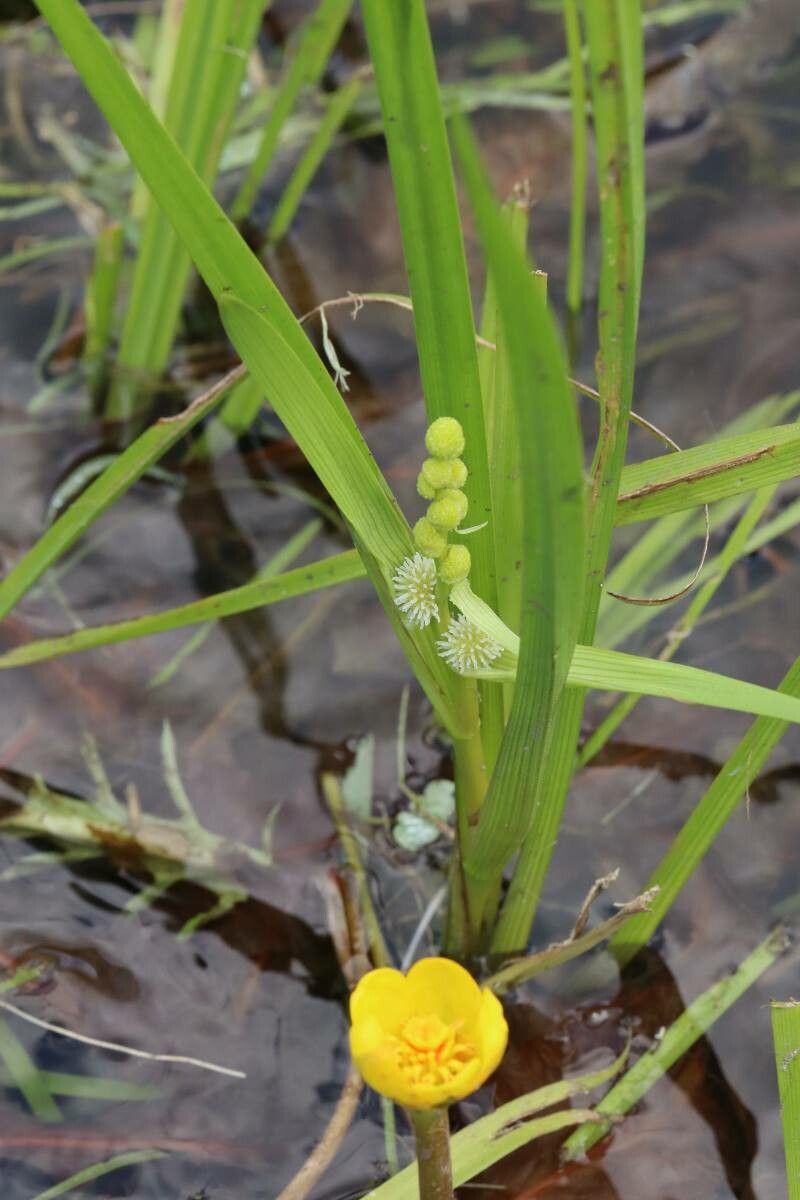
Oh, hello there! If you’ve ever admired the graceful, architectural beauty of Sparganium fallax, the Lesser Bur-reed, you’re in for a treat. I’ve been nurturing these beauties in my own water gardens for years, and I can tell you, propagating them is incredibly rewarding. It’s a wonderful way to expand your aquatic collection and share these unique plants with fellow gardeners. Now, while Sparganium fallax isn’t the most finicky plant in the world, it does have specific needs, so a little patience and understanding go a long way, especially for beginners. Don’t let that deter you, though – we’ll walk through it together!
The Best Time to Start
For the highest success rate with Sparganium fallax, I always recommend spring, just as the plant is beginning its active growth phase for the season. You’ll see new shoots emerging from the soil or rhizomes becoming plump and active. This is when they have the most energy to put into developing new roots. Trying to propagate too late in the season, when things are starting to wind down, can be a bit more challenging.
Supplies You’ll Need
Here’s a quick rundown of what you’ll want to have on hand before we get our hands dirty (or wet, as it were!):
- Sharp Pruning Shears or a Clean Knife: For making clean cuts.
- Shallow Trays or Pots: For housing your new divisions or cuttings.
- Aquatic Potting Mix: A coarse, nutrient-poor mix is ideal. Avoid heavy garden soil that can become waterlogged and anaerobic. You can often find specific aquatic plant mixes at garden centers.
- Gravel or Small Stones: To cap the soil and help keep it in place.
- Watering Can or Gentle Hose Attachment: For watering carefully.
- Rooting Hormone (Optional but helpful): Especially for divisions.
- Gloves: If you prefer to keep your hands clean.
Propagation Methods
Sparganium fallax is best propagated through division or rhizome cuttings. The latter is essentially a specific type of division.
Division (My Go-To Method)
This is the most straightforward way to get new plants.
- Gently Excavate: Carefully lift the Sparganium fallax clump from its pot or its spot in the pond. Try to keep as much of the root ball intact as possible.
- Inspect the Rhizomes: You’ll notice thick, horizontal underground stems called rhizomes. These are your propagation goldmines! Look for sections where new shoots or buds are clearly visible.
- Make the Cut: Using your sharp shears or knife, carefully divide the rhizome. Aim for sections that have at least one healthy shoot (a leafy stem emerging from the rhizome) and a good portion of the rhizome itself (at least an inch or two). Don’t be afraid to get assertive here – the plant is tough! You can sometimes even pull apart sections by hand if they’re easily separable.
- Potting Up: Place each division into its own shallow pot, using your aquatic potting mix. Ensure the rhizome is about an inch or so below the surface of the soil.
- Cap It Off: Cover the soil with a layer of gravel or small stones. This prevents the soil from washing away when you submerge the pot.
- Gentle Watering: Water thoroughly until water drains from the bottom. If you’re not immediately placing it in the pond, keep the soil moist.
Rhizome Cuttings
This is similar to division but sometimes involves taking smaller sections of the rhizome with just a developing bud.
- Locate Budding Rhizomes: Find sections of the rhizome that have small buds or developing shoots.
- Make Clean Cuts: Use your sharp tool to cut these sections away from the main plant. You’ll want at least an inch of rhizome attached to the bud.
- Planting: Plant these cuttings directly into pots filled with aquatic potting mix, burying the rhizome section just under the surface. Cap with gravel.
- Watering: Keep the soil consistently moist.
The “Secret Sauce” (Pro Tips)
Here are a couple of things I’ve learned over the years that really make a difference:
- Don’t Over-Compost: Sparganium fallax thrives in nutrient-poor conditions. Using regular garden soil or too much organic compost can lead to algae blooms and can sometimes rot the rhizomes. Stick to a gritty aquatic mix.
- Give Them Space (Initially): When dividing, resist the urge to cram too many divisions into one small pot. Give each new plant a bit of room to establish itself. They’ll thank you for it!
- Submerge Gently: Once potted, you can place your new divisions or cuttings in a shallow, still area of your pond or a holding container. You want the water level to be just enough to cover the pots initially, gradually increasing it as they establish.
Aftercare & Troubleshooting
Once your new Sparganium fallax divisions are in their pots, the key is consistent moisture and patience.
- Keep Them Moist: Ensure the soil in the pots never dries out completely. If they are in a holding tank, keep the water level consistent.
- Gradual Acclimation: If you’re moving them from a holding tank to a deeper pond, do it gradually over a few days to avoid shocking them.
- Watch for Rot: The most common issue is rot, which often happens if the soil is too rich or stays waterlogged without good drainage. If you see a division turning mushy or black and smelly, it’s likely succumbed to rot. Remove it immediately to prevent it from affecting healthy divisions.
- New Growth is Key: The biggest sign of success is new shoot or leaf growth emerging from the division. This tells you roots are forming below.
A Encouraging Closing
Don’t get discouraged if your first few attempts aren’t perfect. Gardening is a journey, and propagating plants is all about learning and observing. Enjoy the process of nurturing these unique water dwellers, and before you know it, you’ll have a whole collection of beautiful Lesser Bur-reeds to admire! Happy propagating!
Resource:
https://identify.plantnet.org/k-world-flora/species/Sparganium%20fallax%20Graebn./data