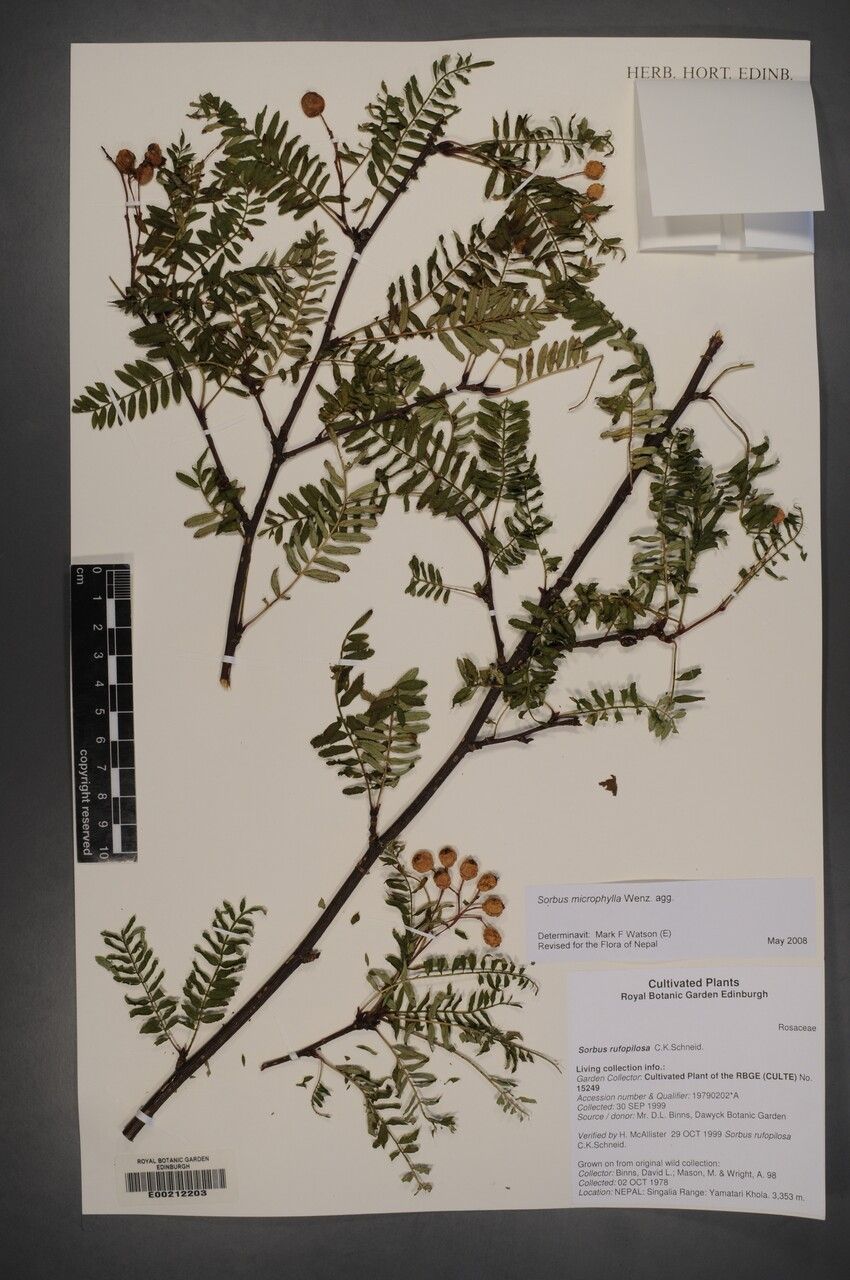
Oh, hello there! Come on in, pull up a chair. I’ve been so eager to chat with you about something truly special: Sorbus rufopilosa, the Rowanberry. You know, these aren’t your everyday berries. They offer this gorgeous display of fiery autumn color, followed by clusters of bright berries that birds absolutely adore. Growing them from scratch? It’s incredibly rewarding, seeing a tiny cutting blossom into a future stand of these beauties. Now, I’ll be honest, Sorbus rufopilosa can be a tad particular, but don’t let that scare you off! With a little patience and a few key techniques, you’ll be well on your way.
The Best Time to Start
When it comes to getting your Sorbus rufopilosa going, timing is everything. Softwood cuttings, taken in late spring to early summer, are your best bet. Think about when your plant is actively pushing out new, pliable growth. This is when it’s eager to put down roots elsewhere. Don’t wait too long, though. You want those new cuttings to establish before the real heat of summer or the chill of fall sets in.
Supplies You’ll Need
Gathering your tools before you begin makes the whole process so much smoother. Here’s what I always have on hand:
- Sharp Pruning Shears or a Knife: Clean cuts are essential for preventing disease and encouraging rooting. Make sure they’re sterilized with rubbing alcohol.
- Rooting Hormone: This is a lifesaver! It significantly boosts your chances of success. You can find it in powder or gel form.
- Well-Draining Potting Mix: A good blend for propagation is key. I like to mix equal parts peat moss or coir with perlite or coarse sand. This ensures excellent aeration and prevents waterlogged soil.
- Small Pots or Seedling Trays: Choose containers with drainage holes!
- Plastic Bags or a Propagator: This helps maintain high humidity, which is crucial for cuttings.
- Watering Can with a Fine Rose: For gentle watering.
Propagation Methods: Step-by-Step
For Sorbus rufopilosa, stem cuttings are generally the most successful and straightforward method I’ve found.
Stem Cuttings:
- Select Your Cuttings: Look for healthy, vigorous new growth that is about pencil-thick and still slightly flexible. Aim for cuttings that are 4-6 inches long.
- Make the Cut: Using your clean shears, take a cutting just below a leaf node (that little bump where a leaf attaches to the stem).
- Prepare the Cutting: Gently remove the lower leaves from the cutting, leaving just a few at the very top. This redirects the plant’s energy from leaf production to root development. If the top leaves are very large, I often snip them in half to reduce water loss.
- Apply Rooting Hormone: Dip the cut end of the stem into your rooting hormone, coating about an inch of the bottom. Tap off any excess.
- Plant Your Cuttings: Make small holes in your prepared potting mix using a pencil or dibber. Gently insert the cuttings into the holes, ensuring the rooting hormone stays on the cut end. Firm the soil gently around each cutting.
- Water Gently: Water the soil thoroughly but gently. You want it moist, not soggy.
- Create a Humid Environment: Cover your pots or trays with a clear plastic bag or place them in a propagator. This traps humidity. Make sure the plastic doesn’t touch the leaves if possible.
- Provide Light and Warmth: Place your cuttings in a bright spot, but out of direct, scorching sunlight. A little warmth from below, like a heat mat, can really speed things up.
The “Secret Sauce” (Pro Tips)
Okay, so here are a few little tricks I’ve picked up over the years that seem to really make a difference with fussier plants like Sorbus.
- The “Heel” Trick: Sometimes, when you’re taking your cutting, you’ll see a tiny piece of older stem attached to the new growth. This is called a “heel,” and it can actually improve rooting success. Carefully try to take your cutting with this bit of older wood attached if it’s naturally there.
- Bottom Heat is Your Friend: As I mentioned, a gentle warmth from below is fantastic. It encourages those roots to form at speed. You can buy propagation mats or even improvise by placing your trays on top of a gently warm appliance (just make sure it’s safe and stable!).
- Don’t Be a Drowning Victim: When you water, and especially if you’re using water propagation (which I find less reliable for Sorbus but some people love), make sure the leaves never touch the water. Rot sets in so quickly this way. Only the stem end should be submerged.
Aftercare & Troubleshooting
Once you start seeing tiny white nubs poking out – those are roots! Congratulations! Now it’s time for a slightly different approach.
- Gradual Acclimation: Those cuttings have been living in a humid little greenhouse. Slowly acclimatize them to your regular garden conditions. Gradually open the plastic bag or propagator over a week or so.
- Lighter Watering: Once they’ve rooted, you can ease up on the constant humidity. Water when the top inch of soil feels dry.
- Transplanting: When your new plants have developed a good root system and a bit more growth, you can gently transplant them into slightly larger pots with a good quality potting mix.
What if things go wrong? The most common culprit is rot. If your cuttings turn black and mushy, it’s usually a sign of too much moisture and poor air circulation. Don’t be discouraged if a few don’t make it. Gardening is all about learning and trying again!
A Encouraging Closing
There you have it – a little journey into propagating Sorbus rufopilosa. It might take a bit of patience, and you might have a few learning curves along the way, but the satisfaction of nurturing your own beautiful Rowanberry from a small cutting is truly unparalleled. So, go ahead, grab your shears, and enjoy the process. I’m cheering you on!
Resource:
https://identify.plantnet.org/k-world-flora/species/Sorbus%20rufopilosa%20C.K.Schneid./data