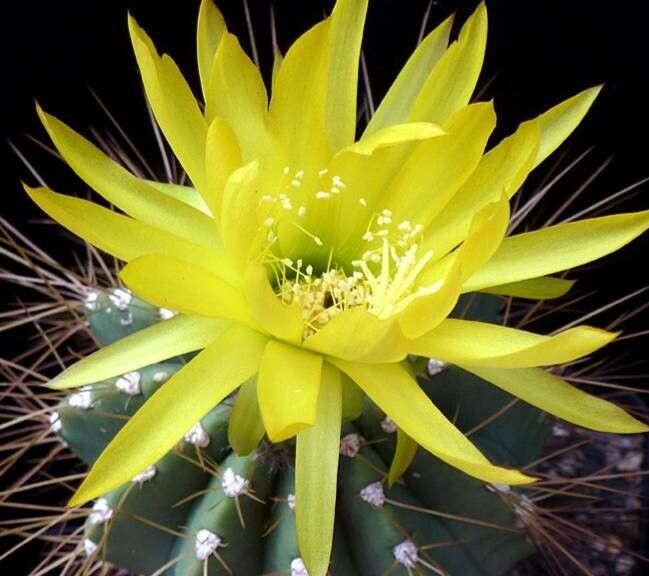
Oh, hello there! So glad you could join me. Today, we’re diving into the wonderful world of Soehrensia walteri, a cactus that truly deserves a spot in every succulent lover’s collection. With its striking columnar shape and often profuse flowering, it’s a real showstopper. And honestly, propagating them yourself? It’s one of the most rewarding things you can do in the garden. It’s a journey that’s surprisingly accessible, even for those of you just starting your green-thumb adventure. Think of it as making new friends, one cactus at a time!
The Best Time to Start
When it comes to Soehrensia walteri, timing is everything. We want to give our new little cacti the best shot at success, and that means tapping into their natural growing rhythm. The absolute sweet spot for propagation is during their active growing season. For most of us, this means spring and early summer. The warmth and increasing daylight encourage roots to form quickly. Avoid trying this during their dormancy period in winter; they’re just not in the mood for making babies then!
Supplies You’ll Need
Gathering your tools before you begin makes the whole process feel much smoother. Here’s what I always have on hand:
- Sharp, sterilized pruning shears or a clean knife: Crucial for making clean cuts that heal well.
- Rooting hormone (optional but helpful): Especially for those trickier propagations. Look for one formulated for succulents or cacti.
- Well-draining potting mix: A cactus or succulent blend is perfect. You can also make your own by mixing potting soil with perlite or pumice (about a 50/50 ratio).
- Small pots or trays: Terracotta pots are great because they breathe.
- Gloves (optional): Cacti can be pokey!
- A spray bottle: For gentle watering.
- Newspaper or cardboard: To handle the cactus safely.
Propagation Methods
There are two main ways to get more Soehrensia walteri – and thankfully, both are pretty straightforward.
Stem Cuttings
This is my go-to method, and it’s incredibly effective.
- Take a Cutting: Using your sharp, sterilized shears, carefully cut a healthy stem segment from your mature Soehrensia walteri. Aim for a piece that’s at least a few inches long. Make the cut as clean as possible.
- Let It Callus: This is a critical step! Place the cutting in a dry, well-ventilated spot out of direct sunlight for several days to a week, or even longer. You’ll see the cut end dry and form a callous. This prevents rot when you plant it.
- Plant the Cutting: Once calloused, dip the cut end into rooting hormone if you’re using it. Then, gently insert the calloused end about an inch or two deep into your prepared potting mix. Don’t bury it too deep! Just enough to give it stability.
- Water Sparingly: Wait a few days after planting before giving it its first light watering. You want the soil to be barely moist, not soggy. Use your spray bottle for a gentle misting.
Water Propagation (for offsets)
Sometimes, your Soehrensia walteri might produce little offsets or pups at its base. These can often be propagated in water.
- Gently Remove the Offset: Carefully wiggle and pull the offset away from the mother plant. If it doesn’t come easily, a clean knife might be needed to sever the connection.
- Let it Callus (Again!): Just like with stem cuttings, you must let the cut end of the offset dry and callous over for a few days.
- Place in Water: Once calloused, place the offset in a small jar or glass so that only the calloused end touches the water. Make sure no part of the healthy stem is submerged.
- Change Water Regularly: Change the water every few days to keep it fresh and prevent bacterial growth. You should start seeing tiny roots emerge from the calloused end within a few weeks.
- Plant Once Rooted: Once the roots are about an inch long, gently plant the offset into a pot with your cactus mix, just as you would a stem cutting.
The “Secret Sauce” (Pro Tips)
Here are a couple of things I’ve learned over the years that can really make a difference:
- Bottom Heat is Your Friend: If you have the option, placing your pots on a seedling heat mat can seriously speed up root development. Cacti love warmth, and a little gentle heat from below encourages those roots to form faster and more reliably.
- Don’t Be Afraid of Airflow: Good air circulation is paramount. Keep your propagated cuttings in a spot where air can move around them. This helps prevent fungal diseases and rot, which are the biggest enemies of baby cacti. If you’re propagating indoors, an open window or a small fan can be very helpful.
Aftercare & Troubleshooting
Once roots have formed (you might feel a gentle tug when you lightly pull on the cutting, or see roots peeking out the drainage holes), it’s time to treat it like a tiny but established cactus.
Carefully move your new plant into a slightly larger pot if needed, using that same well-draining mix. Water very sparingly only when the soil is completely dry. Think of it as giving them a good drink, then letting them have a long rest.
The most common issue you’ll face is rot. If you see your cutting turning mushy or black, especially at the base, it’s usually a sign of too much moisture and not enough airflow. If you catch it early, you might be able to cut away the rotten part, let the healthy section callus again, and try rehabbing it in drier conditions. But sadly, sometimes rot wins. Don’t get discouraged! It happens to the best of us.
A Encouraging Closing
So there you have it! Propagating Soehrensia walteri is a truly a rewarding endeavor. Remember to be patient – these cacti can take their sweet time, but the joy of seeing a new, thriving plant emerge from a simple cutting is immense. Enjoy the process, learn from each little sprout, and before you know it, you’ll have a whole collection of these magnificent plants. Happy gardening!
Resource: