Hey there, fellow plant lovers!
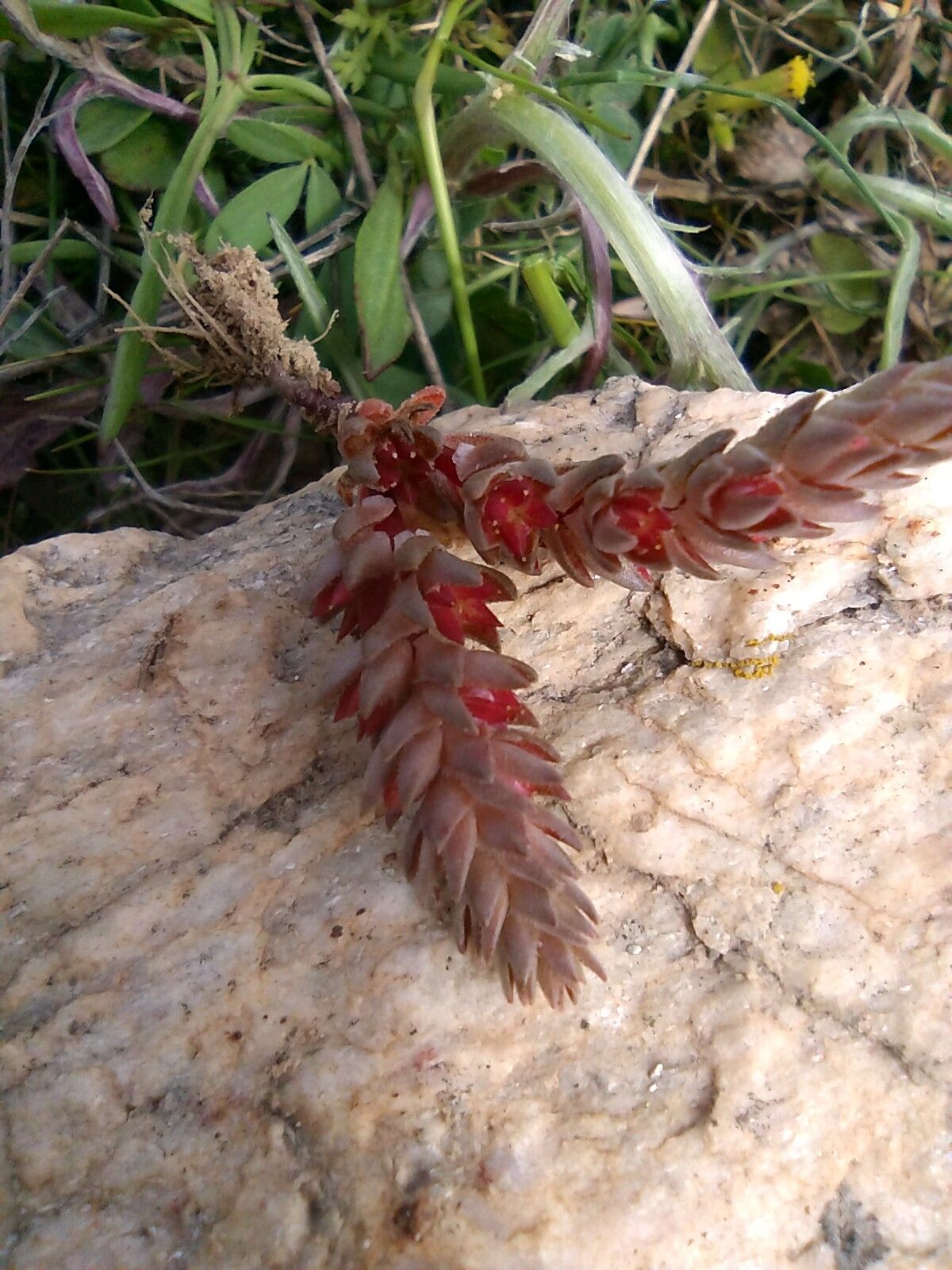
Today, I want to chat about a little gem that’s captured my heart over the years: Sedum aetnense. If you’re a fan of tiny, jewel-like succulents that practically shimmer, you’re going to adore this one. It forms these adorable little mounds, like miniature broccoli florets, and it’s just delightful to watch it grow. The best part? Sharing is incredibly easy with this charmer! Propagating Sedum aetnense is one of my favorite ways to expand my collection and give little bits of green joy to friends. For beginners, I’d say this plant is delightfully easy to propagate. Seriously, it’s a fantastic starting point for anyone dipping their toes into the wonderful world of succulents.
The Best Time to Start
My favorite time to get my hands dirty with Sedum aetnense propagation is during its active growing season, which usually falls in late spring and summer. The warmer temperatures and longer daylight hours really encourage quick root development. You’ll see the most success when your plant is actively putting out new growth – that’s when it’s full of energy and ready to make more of itself!
Supplies You’ll Need
To get started on your propagation adventure, here’s what I always have on hand:
- Well-draining potting mix: A cactus/succulent mix is perfect, or you can create your own by mixing equal parts potting soil, perlite, and coarse sand.
- Sharp, clean pruning shears or a knife: Sterilize them with rubbing alcohol to prevent disease.
- Small pots or trays: Terracotta pots are great because they breathe well.
- Rooting hormone (optional but helpful): A little powder can give your cuttings a head start.
- Watering can or spray bottle: For gentle hydration.
- Labels and a marker: To keep track of what you’ve propagated and when.
- A sunny spot: Bright, indirect light is key.
Propagation Methods
Sedum aetnense is amenable to a few different methods, all pretty straightforward.
Stem Cuttings
This is my go-to method for Sedum aetnense.
- Take your cutting: Select a healthy stem that has at least a few leaves. Using your sharp shears, cut the stem just below a node (where a leaf attaches to the stem). Aim for cuttings that are a couple of inches long.
- Let it callous: This is SUPER important for succulents! Lay your cuttings on a dry paper towel in a well-lit spot, out of direct sun, for 2-3 days. You want the cut end to dry out and form a protective scab. This prevents rot when you plant them.
- Prepare the pot: Fill your small pots with your well-draining soil mix.
- Plant the cutting: If you’re using rooting hormone, dip the callous end into the powder. Then, gently insert the stem end about half an inch into the soil. You can plant a few cuttings in one pot.
- Water lightly: Give the soil a very light watering or a gentle mist. You want it barely moist.
Water Propagation
This method is a bit more dramatic, but always satisfying to watch!
- Take your cutting: Same as above – a healthy stem cutting a couple of inches long.
- Remove lower leaves: Pinch off the lowest few leaves from the cutting. This is crucial.
- Place in water: Find a small glass or jar and fill it with fresh water. Place the stem cutting in the water, making sure that the leaves are NOT submerged. Only the cut stem end should be in the water.
- Location, location, location: Set the jar in a bright spot with indirect sunlight.
- Change water regularly: Change the water every few days to keep it fresh and prevent bacterial growth. You’ll start to see tiny roots forming within a couple of weeks.
- Plant when roots are established: Once the roots are about an inch long, you can carefully transplant your cutting into a pot with well-draining soil, following steps 3-5 from the stem cutting method.
The “Secret Sauce” (Pro Tips)
Here are a couple of little tricks I’ve learned over the years that really make a difference:
- Don’t overwater initially: This is the most common mistake! Succulents store water in their leaves, so they don’t need much moisture when they’re trying to root. Think “barely moist” for soil propagation, and always change water for water propagation. Rot is the enemy here.
- A touch of warmth helps: If you’re propagating in a cooler environment, consider using a seedling heat mat placed under your pots. This gentle bottom heat can really encourage root formation, especially for those slower-growing babies. Just make sure your soil doesn’t dry out too quickly because of the extra warmth.
- Patience is a virtue: Some cuttings will root faster than others. Don’t get discouraged if one seems to take its time. Keep it in the right conditions, and it might just surprise you! The visual cue for success is a gentle tug on the cutting – if it resists, you have roots!
Aftercare & Troubleshooting
Once your little Sedum aetnense has developed a healthy root system (you’ll feel resistance when you gently tug, or see new growth popping up), it’s time to treat it like a mature plant, just on a smaller scale.
- Watering: Water when the soil is completely dry. It’s better to underwater than overwater.
- Light: Keep it in bright, indirect light. Too much intense sun too soon can scorch tender new growth. As it matures, it can handle more direct sun.
- Troubleshooting: The most common issue, as I mentioned, is rot. If your cutting turns mushy and black, or smells unpleasant, it’s likely rotted. This usually means it got too wet and didn’t have enough airflow while trying to root. If you see this, discard the affected parts and try again, being extra careful with your watering and callus time. Another sign of stress is wilting or shriveling; this can sometimes mean it needs a tiny bit more water, but often it’s just the plant settling in and establishing roots.
A Encouraging Closing
See? Not so daunting, is it? Propagating Sedum aetnense is a wonderfully accessible way to grow your succulent family. Be patient, observe your little cuttings, and enjoy the process of nurturing new life. Every successful root that emerges is a tiny victory, and soon you’ll have a whole army of these charming little succulents to admire and share. Happy propagating!
Resource:
https://identify.plantnet.org/k-world-flora/species/Sedum%20aetnense%20Tineo/data