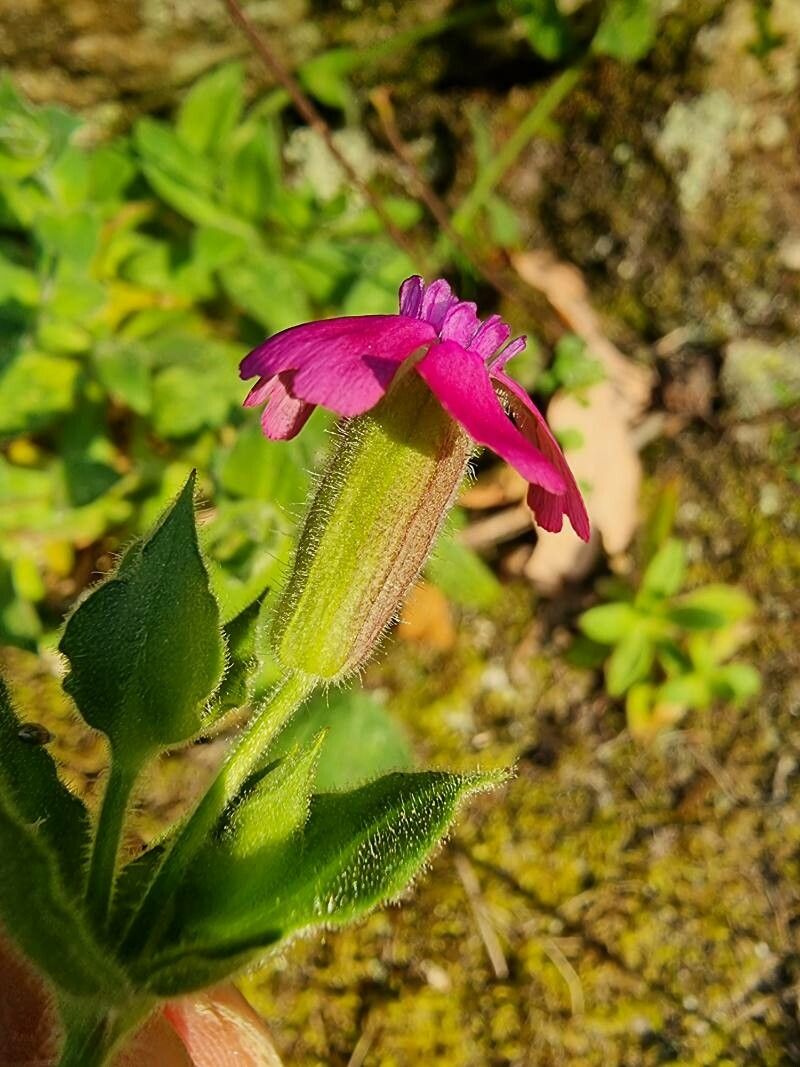
Hello there, fellow garden enthusiasts! Today, we’re diving into the delightful world of Silene acutifolia, a plant that brings a certain charm to any garden with its delicate blooms and sturdy nature. I’ve spent years getting to know its quirks, and I’m thrilled to share how you can easily bring more of this beauty into your space. Trust me, propagating Silene acutifolia is a wonderfully rewarding process, and it’s not as daunting as you might think. Even if you’re just starting out, you’ll find success here.
The Best Time to Start
For the highest success rate, I’ve found that late spring to early summer is your golden window. This is when the plant is actively growing and has plenty of energy to dedicate to developing new roots. You’ll be looking for fresh, non-woody stems for cuttings.
Supplies You’ll Need
Gathering your tools beforehand makes the whole process smoother. Here’s what I usually have on hand:
- Sharp pruning shears or a clean knife: For making precise cuts.
- Well-draining potting mix: A good blend of peat moss, perlite, and compost works wonders. You can also buy a specialized seed-starting or cutting mix.
- Small pots or seed trays: Clean ones are essential!
- Plastic bags or a propagation dome: To create a humid environment.
- Rooting hormone (optional): This can give a little boost, but Silene acutifolia often roots well without it.
- Watering can or spray bottle: For gentle watering.
Propagation Methods
There are a couple of tried-and-true ways to multiply your Silene acutifolia. Let’s explore them.
Stem Cuttings
This is my go-to method and usually the most successful.
- Select your cutting: Look for healthy, semi-hardwood stems that are about 4-6 inches long. Avoid any that are flowering or have already started to get woody. Gently pinch or snip a piece from the main plant.
- Prepare the cutting: Remove the lower leaves, leaving just a few at the very top. This prevents them from rotting when buried. If you’re using rooting hormone, dip the cut end into it now.
- Planting: Fill your pots with your well-draining mix. Make a small hole in the center with your finger or a pencil.
- Insert the cutting: Place the cut end of the stem into the hole. Gently firm the soil around it to ensure good contact.
- Water and cover: Water thoroughly but gently. Then, cover the pot with a plastic bag or place it inside a propagation dome. This creates a mini-greenhouse effect, keeping the humidity high. Place it in a bright spot, but out of direct sunlight.
Division
If your Silene acutifolia has grown into a nice clump, division is a great way to give it some breathing room and get new plants.
- Dig carefully: In the spring (before it gets too hot or when it’s actively growing), gently dig up the entire plant. Try to disturb the roots as little as possible.
- Separate the roots: You can often gently pull the clump apart with your hands. If it’s a bit stubborn, a clean trowel or even your knife can carefully slice through the root ball. Aim to create sections that have both roots and some leafy growth.
- Replant: Pot up each division into its own container with fresh, well-draining soil, or replant directly into your garden beds.
- Water well: Give all the newly planted divisions a good watering.
The “Secret Sauce” (Pro Tips)
After years of trial and error, I’ve picked up a few tricks that make a difference.
- Hygiene is your best friend. Always use clean tools and pots. This dramatically reduces the risk of fungal diseases and rot, which are the biggest enemies of cuttings.
- Bottom heat works wonders. If you have a heating mat designed for seedlings, placing your pots on it will speed up root development significantly. It mimics the warmth of spring soil.
- Don’t overwater, but keep it consistently moist. The soil should feel like a wrung-out sponge, never soggy. Too much water is a fast track to rot.
Aftercare & Troubleshooting
Once those tiny roots start to form, a new phase of care begins. You’ll know roots are developing when you see new growth on your cuttings or if they resist a gentle tug.
Caring for new plants: Gradually acclimate your propagated plants to normal humidity by opening the plastic bag or dome a little each day over a week. Once they have a good root system and are actively growing, you can transplant them into their own pots or their final garden spot. Water them regularly, especially during dry spells.
Troubleshooting: The most common issue is rot. If your cuttings turn mushy or black, it’s usually a sign of too much moisture and not enough air circulation. If you see signs of wilting or yellowing leaves that isn’t due to lack of water, it could be disease. Sometimes, cuttings just don’t take. Don’t get discouraged! It happens to the best of us. Just try again with fresh material.
Happy Propagating!
Watching a tiny cutting transform into a new plant is one of gardening’s greatest joys. Be patient with your Silene acutifolia, give it a good start with the right conditions, and you’ll soon have a whole new generation of these lovely flowers to enjoy. Happy gardening!
Resource:
https://identify.plantnet.org/k-world-flora/species/Silene%20acutifolia%20Link%20ex%20Rohrb./data