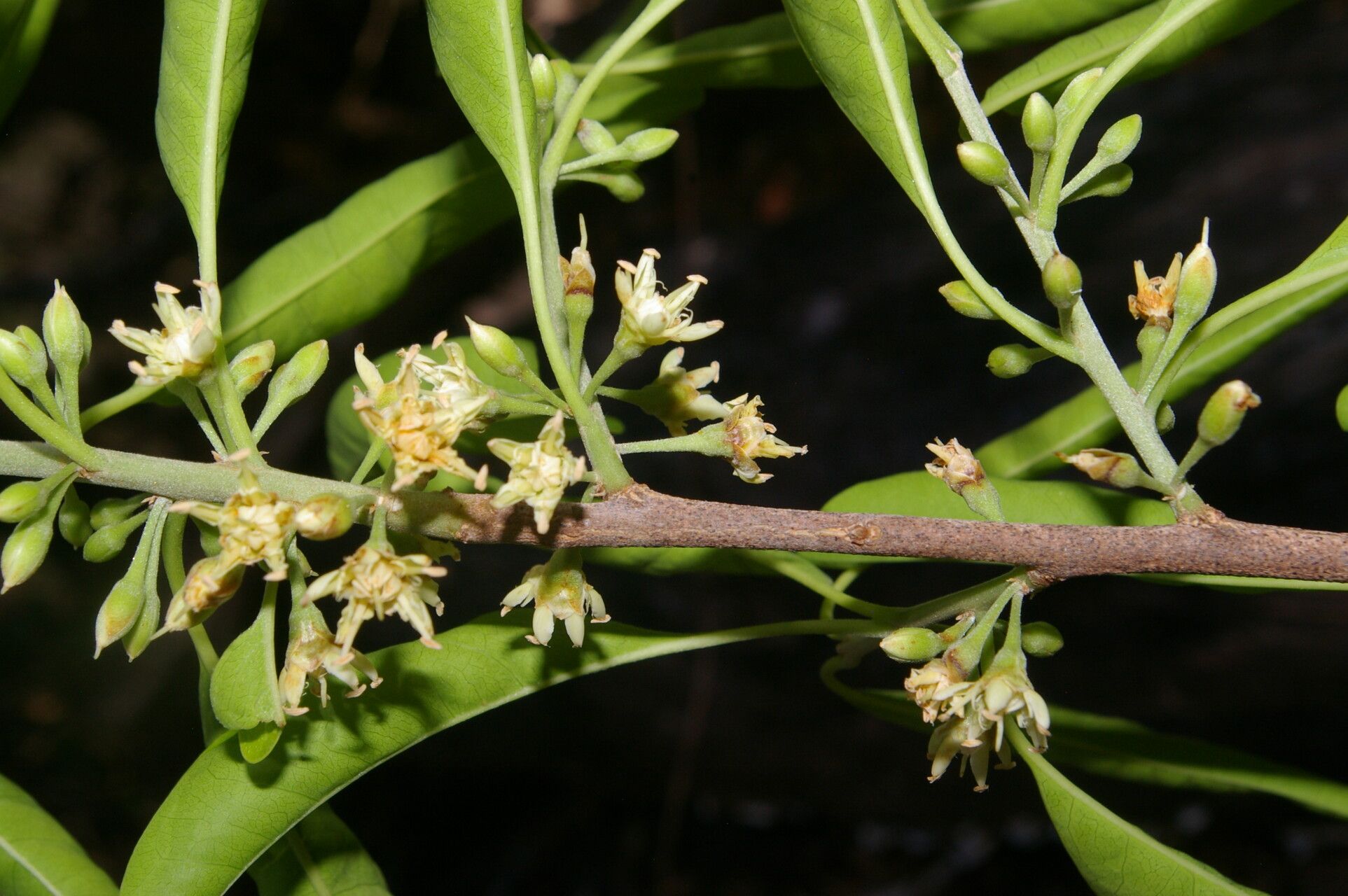
Hello fellow garden enthusiasts! I’m so glad you’re here. Today, we’re diving into the wonderful world of Sideroxylon stenospermum, a truly captivating plant that deserves a spot in more gardens. Its glossy, deep green leaves and unique structure bring a touch of elegance, and honestly, watching a new plant emerge from a humble cutting is one of the most rewarding feelings a gardener can experience. If you’re wondering if this is a good plant for beginners, I’d say it can be. It requires a little attention, but with the right approach, you’ll be successful.
The Best Time to Start
For Sideroxylon stenospermum, the absolute best time to propagate is in the spring, as new growth begins to emerge. This is when the plant is bursting with energy and readiness to put out new roots. Late spring or early summer also works well, as long as the plant is actively growing. Avoid propagating when the plant is stressed, during extreme heat, or when it’s dormant in winter.
Supplies You’ll Need
Here’s what you’ll want to have on hand:
- Sharp, sterile pruning shears or a clean knife: For making precise cuts. Sterilize with rubbing alcohol.
- Rooting hormone powder or gel: This is a great helper, though not always strictly necessary.
- A well-draining potting mix: I like to use a blend of equal parts perlite, coco coir, and a good quality potting soil for cuttings. For divisions, a standard potting mix is usually fine.
- Small pots or seed trays: With drainage holes! This is crucial.
- Clear plastic bags or a propagation dome: To create a humid environment.
- Water: For misting and for water propagation if you choose that route.
- Labels: So you don’t forget what you’ve planted where!
Propagation Methods
Let’s get our hands dirty!
Stem Cuttings
This is my go-to method for Sideroxylon stenospermum.
- Take Your Cuttings: In spring, look for healthy, non-flowering stems that are about 4-6 inches long. Make a clean cut just below a leaf node (where a leaf attaches to the stem). You want to remove the bottom leaves, leaving only a few at the top.
- Apply Rooting Hormone: If you’re using rooting hormone, dip the cut end into the powder or gel. Tap off any excess.
- Plant Your Cuttings: Fill your pots with your well-draining mix. Make a small hole with your finger or a pencil and gently insert the cutting. Firm the soil around it.
- Create Humidity: Water the soil lightly until it’s evenly moist, but not soggy. Cover the pot with a clear plastic bag or propagation dome. This will trap moisture and create a greenhouse effect.
- Provide Light and Warmth: Place the pot in a bright location out of direct sunlight. Some gentle warmth from below, like a heat mat, can really speed things up.
Water Propagation (for shorter stems)
If you have smaller, more delicate stem pieces, water propagation can be charming.
- Prepare Cuttings: Similar to stem cuttings, take pieces about 3-4 inches long and remove the lower leaves.
- Place in Water: Put the cuttings in a clean jar or glass of water. Ensure the leaf nodes are submerged, but don’t let the leaves touch the water. Submerged leaves will rot and can take your cutting down with them.
- Change Water Regularly: Change the water every few days to keep it fresh and prevent bacterial growth.
- Watch for Roots: You should start to see tiny white roots emerge from the nodes. Once the roots are about an inch long, you can gently transplant them into your well-draining potting mix.
The “Secret Sauce” (Pro Tips)
Here are a few tricks I’ve learned over the years:
- Bottom Heat is Your Friend: While bright, indirect light is essential, a gentle warmth from a propagation mat can make all the difference. It encourages root development from below, mimicking ideal soil conditions.
- Don’t Overwater, Ever: This is probably the most common mistake. You want the soil moist, not saturated. Soggy conditions are a breeding ground for rot, and your precious cuttings won’t stand a chance.
- Be Patient with Rooting Hormone: If you decide to use it, give it a little time. Sometimes it takes a week or two before you see any activity, and that’s perfectly normal. Don’t be tempted to dig them up too soon!
Aftercare & Troubleshooting
Once you see signs of roots – new leaf growth is a fantastic indicator! – it’s time for a little adjustment.
- Gradually Acclimate: Slowly remove the plastic bag or propagation dome over a few days to let your new plant get used to the drier air.
- Water Sparingly: Continue to water when the top inch of soil feels dry. Avoid letting it dry out completely, but also steer clear of waterlogging.
- Monitor for Rot: The biggest enemy is rot, which will manifest as black, mushy stems at the soil line. If you see this, unfortunately, it’s usually a sign the cutting is lost. Remove it immediately to prevent it from affecting other cuttings.
- New Growth is Life!: If you see new leaves forming, that’s a beautiful sign that roots are happily developing underneath.
A Little Patience Goes A Long Way
Propagating plants is a journey, and Sideroxylon stenospermum is no exception. There will be times when it’s slow, and sometimes a cutting just doesn’t take. Don’t get discouraged! Each attempt is a learning experience. Celebrate the successes, learn from the setbacks, and most importantly, enjoy the process of nurturing new life in your garden. Happy propagating!
Resource: