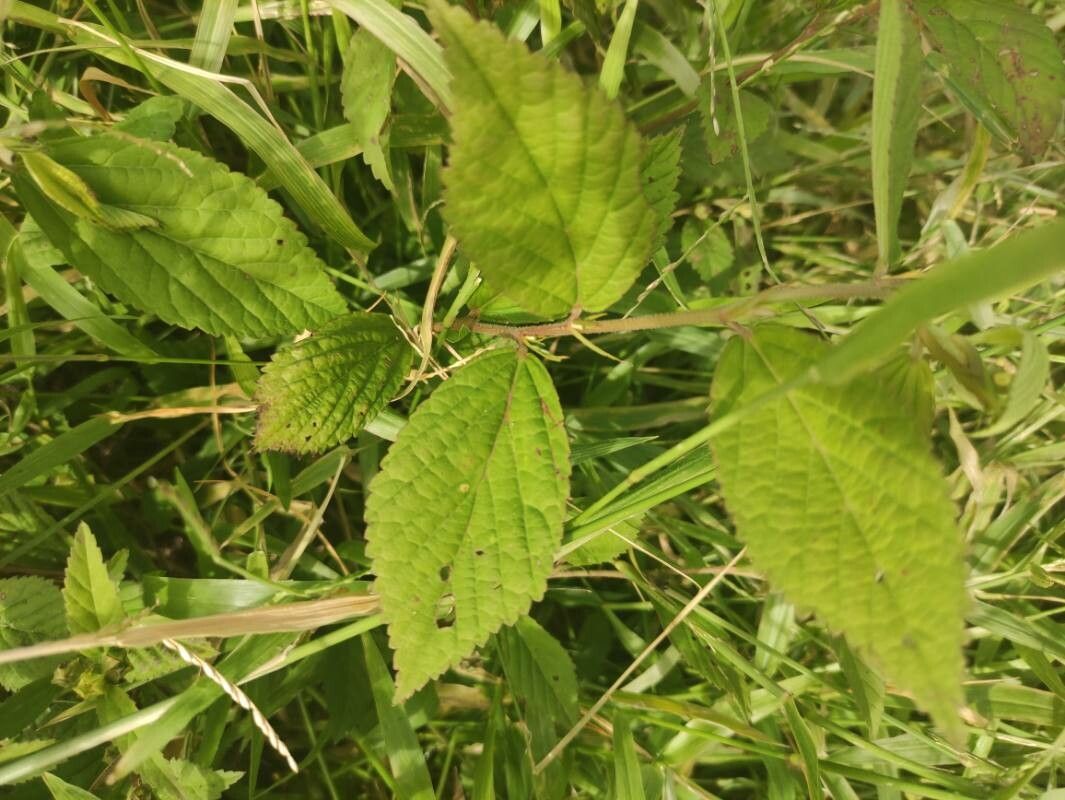
Hello there, fellow garden enthusiasts! If you’ve ever admired the delicate beauty and cheerful blooms of Sida ulmifolia, also known as Elm Leaf Sida, you’re in for a treat. This little plant, with its lovely soft leaves and often profuse flowering, can bring a touch of grace to any sunny spot. And the absolute best part? It’s wonderfully rewarding to propagate your own! Whether you’re brand new to the gardening game or have a few seasons under your belt, Sida ulmifolia is a rather beginner-friendly plant to get started with, making it an excellent choice for your first propagation adventure.
The Best Time to Start
For the highest chance of success, I always recommend taking cuttings in late spring or early summer. This is when the plant is actively growing, producing plenty of young, flexible stems that are eager to root. You want to aim for stems that are somewhere between soft and woody – not too floppy new growth, but not mature, hard branches either. Think of it as the “just right” stage!
Supplies You’ll Need
Before we get our hands dirty, let’s make sure we have everything ready. A little preparation goes a long way, and it makes the whole process much smoother.
- Sharp Pruning Shears or a Clean Knife: For taking clean cuts.
- Rooting Hormone (Optional but Recommended): A little boost can speed things up.
- Small Pots or Seed Starting Trays: With drainage holes, of course!
- A Well-Draining Potting Mix: I like a mix of equal parts peat moss, perlite, and a bit of compost. You can also find specialized seedling mixes.
- A Spray Bottle: For misting.
- A Clear Plastic Bag or Dome: To create a humid environment for your cuttings.
- Water Source: For watering and misting.
Propagation Methods
Sida ulmifolia is quite versatile, but my go-to method, and often the most successful for this plant, is through stem cuttings.
Stem Cuttings
- Select Your Cuttings: Choose healthy, vigorous stems from your mature plant. Look for ones that have developed a bit of firmness.
- Make the Cut: Using your sharp shears or knife, take cuttings that are about 4-6 inches long. Make a clean cut just below a leaf node (where a leaf attaches to the stem). These nodes are where roots will typically form.
- Prepare the Cuttings: Gently remove the lower leaves, leaving just a few at the top. You can also trim any overly large leaves in half to reduce water loss through transpiration.
- Apply Rooting Hormone (Optional): If you have it, dip the cut end of the stem into your rooting hormone powder or gel. Tap off any excess.
- Plant the Cuttings: Fill your small pots or trays with your prepared potting mix. Make a hole with your finger or a pencil and gently insert the prepared cutting. Firm the soil around the base to ensure good contact.
- Water Gently: Water the soil thoroughly but gently, so as not to dislodge the cuttings.
- Create Humidity: Place the pot or tray inside a clear plastic bag, sealing it loosely, or cover it with a clear plastic dome. This will create a mini-greenhouse effect, keeping the humidity high around your cuttings. Position them in a bright spot that receives indirect sunlight. Never place them in direct, hot sun; they’ll scorch!
Water Propagation (An Alternative)
This method is a bit simpler and allows you to see the roots develop right before your eyes.
- Select and Prepare Cuttings: Follow steps 1-3 from the stem cuttings method.
- Place in Water: Fill a small jar or glass with clean water. Place the cuttings in the water, ensuring that no leaves are submerged. Submerged leaves will rot and can harm the cutting.
- Change Water Regularly: Change the water every few days to keep it fresh and prevent bacterial growth.
- Position: Place the container in a spot with bright, indirect light.
- Plant When Rooted: Once you see roots that are about an inch long, it’s time to transplant them into your potting mix, following steps 5-7 from the stem cuttings method.
The “Secret Sauce” (Pro Tips)
Here are a few little tricks I’ve learned over the years that can really give your cuttings an edge:
- Bottom Heat: If you can, place your pots on a warm propagation mat or near a consistently warm appliance. This warmth from below encourages root development much faster than just ambient room temperature.
- Don’t Over-Water: While humidity is crucial, soggy soil is the enemy. It can lead to rot. The soil should feel consistently moist, but not waterlogged. If you’re unsure, stick your finger about an inch down; if it feels dry, it’s time to mist or water lightly.
- Patience is Key: I know it’s tempting to peek and prod every day, but try to resist the urge. Let the cuttings do their thing. You’ll know they’re happy and rooting when you see new leaf growth.
Aftercare & Troubleshooting
Once your cuttings have developed a healthy root system (you’ll see roots emerging from the drainage holes or new growth at the top), it’s time for a bit of a transition.
- Acclimatize: Gradually remove the plastic bag or dome over a few days to allow the new plant to adjust to lower humidity.
- Potting Up: Once they look strong, you can transplant them into slightly larger pots with your regular potting mix.
- Watering: Water them as you would a mature plant, allowing the top inch of soil to dry out between waterings.
- Watch for Rot: The most common problem is root rot, which usually shows up as mushy, dark stems or leaves turning yellow and wilting despite moist soil. This is often caused by overwatering or poor drainage. If you spot it, try to remove the affected cutting or improve drainage and reduce watering immediately. Sometimes, if caught early enough, you can salvage it.
A Encouraging Closing
There you have it! Propagating Sida ulmifolia is a truly delightful way to multiply these charming plants and share them with friends. Remember to be patient with your new little green babies. Gardening is a journey of observation and learning, and each successful propagation is a small victory to celebrate. Happy planting!
Resource:
https://identify.plantnet.org/k-world-flora/species/Sida%20ulmifolia%20Mill./data