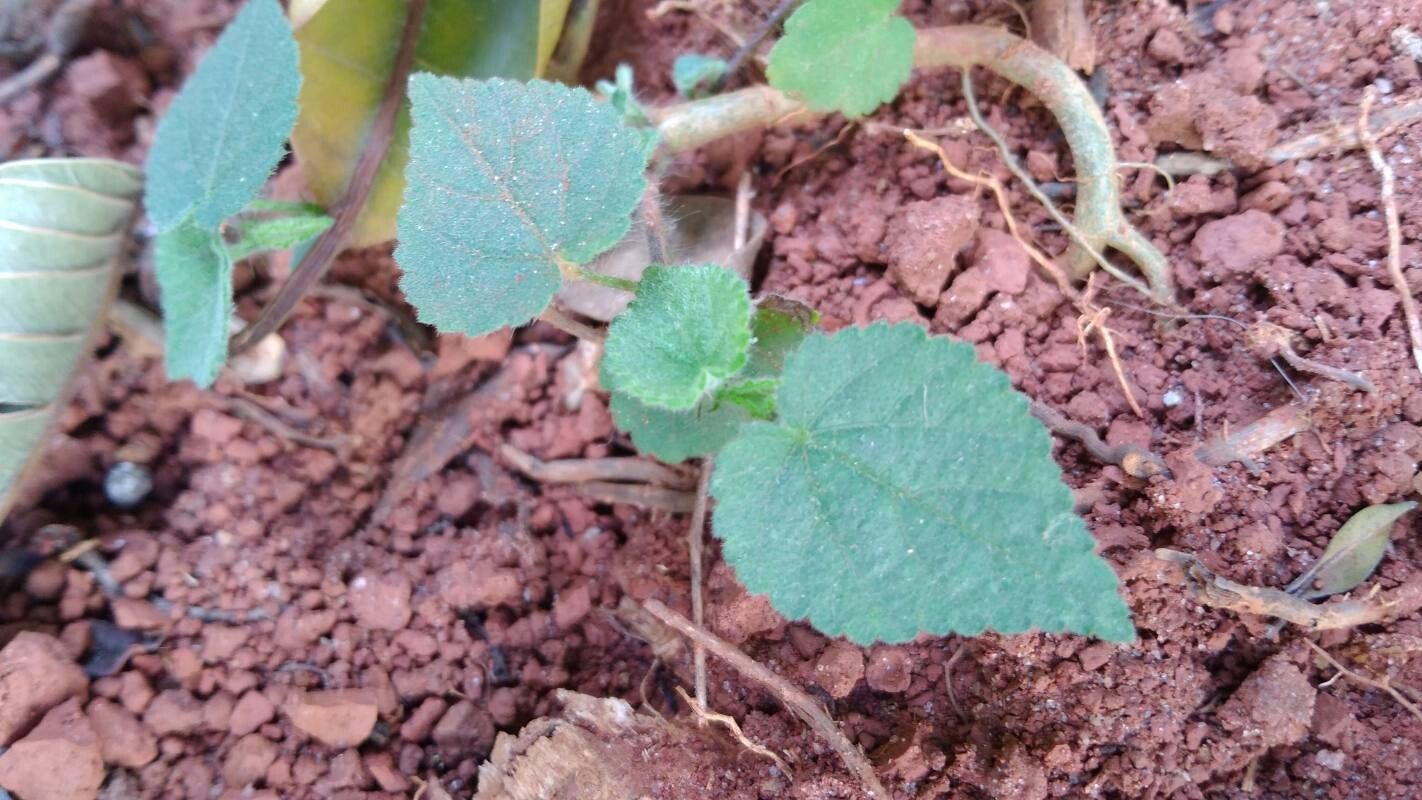
Hey there, fellow plant lovers! I’m so thrilled to share a little trick up my sleeve with you today: how to create more of that gorgeous Sida glabra. You know, that lovely plant with the delicate, almost papery flowers and that wonderful frothy texture? If you’ve ever admired it in my garden (or a friend’s!), you’ll know it’s a real charmer. And the best part? Propagating it is really quite doable, even if you’re just starting out on your green-thumb journey. It’s incredibly rewarding to watch a tiny cutting transform into a new, thriving plant.
The Best Time to Start
For Sida glabra, the sweet spot for propagation is definitely late spring to early summer. This is when the plant is in an active growth phase. You’ll be looking for plump, non-flowering stems. These are the ones full of vigor, ready to put their energy into making roots rather than putting on a summer show. Trying to take cuttings when the plant is stressed, say during extreme heat or drought, or when it’s pushing out a lot of blooms, just won’t yield the best results.
Supplies You’ll Need
Here’s what you’ll want to have on hand before you get started:
- Sharp Pruning Shears or a Craft Knife: Cleanliness is key!
- Rooting Hormone (Optional but Recommended): A powder or gel can give your cuttings a helpful boost.
- Well-Draining Potting Mix: I like to use a mix of equal parts peat moss or coco coir and perlite. A sandy loam can also work beautifully.
- Small Pots or Propagation Trays: Make sure they have drainage holes.
- Watering Can with a Fine Rose: For gentle watering.
- Plastic Bag or Dome: To create a humid environment.
- Labels: So you remember what you’ve planted!
Propagation Methods
I’ve found that stem cuttings are the most reliable way to go with Sida glabra. It’s straightforward and consistent.
- Select Your Cuttings: As I mentioned, look for healthy, firm, non-flowering stems. Aim for pieces that are about 4-6 inches long.
- Make the Cut: Using your clean pruning shears or knife, make a clean cut just below a leaf node (where a leaf attaches to the stem). This is often where the magic of root development happens.
- Prepare the Cutting: Gently remove the lower leaves from the bottom half of the cutting. You want at least two leaf nodes bare, as this is where roots will emerge. Leave a few leaves at the top to help the cutting photosynthesize.
- Apply Rooting Hormone (Optional): If you’re using rooting hormone, dip the cut end into the powder or gel, tapping off any excess. This isn’t strictly necessary for Sida glabra, but it can speed things up.
- Plant Your Cuttings: Fill your small pots or trays with your prepared potting mix. Make a little hole with your finger or a pencil and insert the cutting, ensuring the bare nodes are buried in the soil. Gently firm the soil around the stem.
- Water Gently: Water the potting mix thoroughly but gently. You don’t want to dislodge your cuttings.
- Create Humidity: Place a clear plastic bag loosely over the pot or set it inside a propagator with a lid. This will trap moisture and create a humid microclimate, which cuttings absolutely love.
The “Secret Sauce” (Pro Tips)
Here are a few things I’ve learned over the years that really make a difference:
- Don’t Let the Leaves Touch the Water (If Water Propagating): While I primarily use soil for Sida glabra, if you were to try water propagation, it’s crucial that the cut end is in water, but none of the leaves are submerged. They’ll just rot.
- Bottom Heat is Your Friend: Placing your pots on a gentle heat mat can significantly speed up root development. Think of it as giving your cuttings a warm little incubator. Most rooting will happen from the bottom up, so warmth from below is super effective.
- Patience and Observation: Check your cuttings every few days. You’re looking for signs of new growth, not just wilting. A slight wilting is normal initially, but if they look sickly or mushy, something’s wrong.
Aftercare & Troubleshooting
Once you start seeing new leaf growth or feel a gentle resistance when you tug lightly on the cutting, congratulations! Your Sida glabra has rooted.
- Gradual Acclimation: Slowly remove the plastic bag or lid over a few days to let your new plant adjust to normal humidity.
- Continued Watering: Keep the soil consistently moist but not waterlogged. Overwatering is the quickest way to invite problems.
- Transplanting: Once the roots have filled the small pot (you’ll see them peeking out of the drainage holes), it’s time to pot them up into slightly larger containers with fresh potting mix.
The most common issue you might encounter is rot. If a cutting turns black and mushy, it’s usually a sign of too much moisture and not enough air circulation. Discard any rotting cuttings immediately to prevent it from spreading. Sometimes, cuttings simply fail to root, and that’s okay too! It’s part of the learning process.
So there you have it! A simple way to multiply those beautiful Sida glabra plants. Don’t be afraid to experiment, and most importantly, enjoy the process of nurturing new life. Happy gardening!
Resource:
https://identify.plantnet.org/k-world-flora/species/Sida%20glabra%20Mill./data