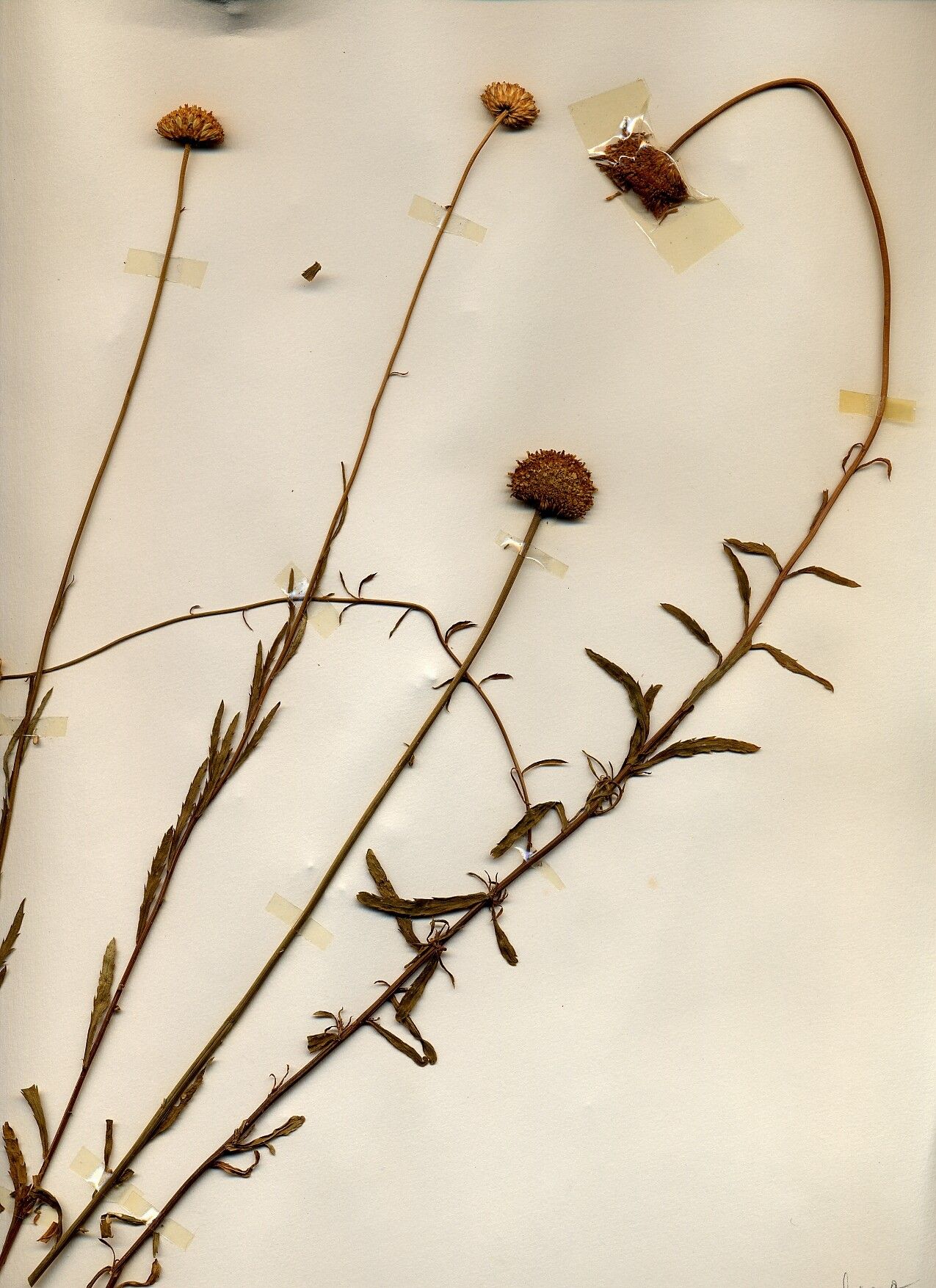
Hello there! It’s lovely to have you join me today, even if it’s just through these words. We’re going to talk about a flower that brings such cheer to any garden: Leucanthemum virgatum, or the Virgin’s-Bower Daisy. These aren’t your average daisies, oh no. They have this wonderful, airy grace, with delicate white petals that shimmer in the sunlight. Growing them from scratch is a truly satisfying endeavor. And the good news? If you’re new to the garden, Leucanthemum virgatum is a pretty forgiving plant when it comes to propagation. You’ll likely have a lot of success!
The Best Time to Start
For the highest chance of success with your Leucanthemum virgatum, aim for late spring or early summer. This is when the plant is actively growing and has plenty of healthy, new stems to work with. You want to select stems that are putting on vigorous growth, not those that are just starting to flower or look a bit worn. Think of it as capturing that youthful energy for your new plants.
Supplies You’ll Need
Gathering your supplies beforehand makes the whole process much smoother. Here’s what I always have on hand:
-
Sharp pruning shears or a clean knife: For making those crucial cuts.
-
Small pots or seedling trays: About 4-6 inch pots are usually perfect.
-
Well-draining potting mix: A seed starting mix or a blend of peat moss and perlite works beautifully.
-
Rooting hormone (optional but recommended): This gives your cuttings a little boost to get those roots developing quickly. Look for a powder or gel.
-
Plastic bags or a propagation dome: To create a humid environment for your cuttings.
-
Watering can with a fine rose: Gentle watering is key.
Propagation Methods
We’ll focus on stem cuttings, which is the most reliable way to get new Leucanthemum virgatum plants.
Here’s how we do it:
-
Take Your Cuttings: Using your clean pruners or knife, select healthy, non-flowering stems from your established plant. You want cuttings that are about 4-6 inches long. Make your cut just below a leaf node (where a leaf attaches to the stem). This is important because roots often form more readily from these points. Remove the lower leaves from the stem, leaving just a couple of leaves at the top. This reduces water loss.
-
Prepare the Cuttings: If you’re using rooting hormone, dip the cut end of each stem into the powder or gel. Tap off any excess.
-
Plant the Cuttings: Fill your small pots or trays with your prepared potting mix. Make a small hole in the center of the soil using your finger or a pencil. Gently insert the cut end of the stem into the hole, ensuring the leaf nodes where you removed the leaves are covered by soil. Firm the soil gently around the stem.
-
Create Humidity: Water the soil gently. Then, cover the pot loosely with a plastic bag or place it inside a propagation dome. This creates a mini-greenhouse effect, keeping the humidity high and preventing the cuttings from drying out. Make sure the plastic doesn’t touch the leaves too much if possible.
-
Find the Right Spot: Place your pots in a bright location, but out of direct sunlight. A sunny windowsill that doesn’t get harsh afternoon rays is ideal.
The “Secret Sauce” (Pro Tips)
I’ve learned a few tricks over the years that might just give you an edge:
- Bottom Heat is Your Friend: Placing your pots on a heated propagation mat can significantly speed up root development. The warmth encourages the plant to put its energy into growing roots. It’s like a cozy bed for your baby plants!
- Don’t Be Afraid to “Wipe”: If you notice any signs of mildew on your cuttings, gently wipe it off with a damp cloth. Mildew can quickly set your propagation back, so a little vigilance goes a long way.
- A Little “Shake-Up”: When you’re watering, give the pots a gentle jiggle. This can help settle the soil and encourage root growth by slightly disturbing the soil around the base of the cutting.
Aftercare & Troubleshooting
Once your cuttings have been in their humid environment for a few weeks, you’ll want to check for roots. You can do this by gently tugging on a stem. If you feel resistance, you’ve likely got roots! You can also look for new leaf growth.
Once roots have formed, gradually begin to acclimate your new plants to normal room humidity. This means opening the plastic bag a little more each day, or lifting the dome for longer periods. Eventually, you’ll be able to remove the cover entirely. Water when the top inch of soil feels dry.
The most common issue you might face is rot. If a cutting turns mushy or black, it’s usually a sign of too much moisture and not enough air circulation. If you see this, remove the affected cutting immediately to prevent it from spreading. Ensure your soil is draining well and try to avoid overwatering.
A Little Patience Goes a Long Way
Propagating plants is a process, and like all good things, it takes a little time and patience. Don’t get discouraged if not every cutting takes. Observe, learn, and most importantly, enjoy the wonder of coaxing new life from your beloved Leucanthemum virgatum. Happy gardening!
Resource:
https://identify.plantnet.org/k-world-flora/species/Leucanthemum%20virgatum%20(Desr.)%20Clos/data