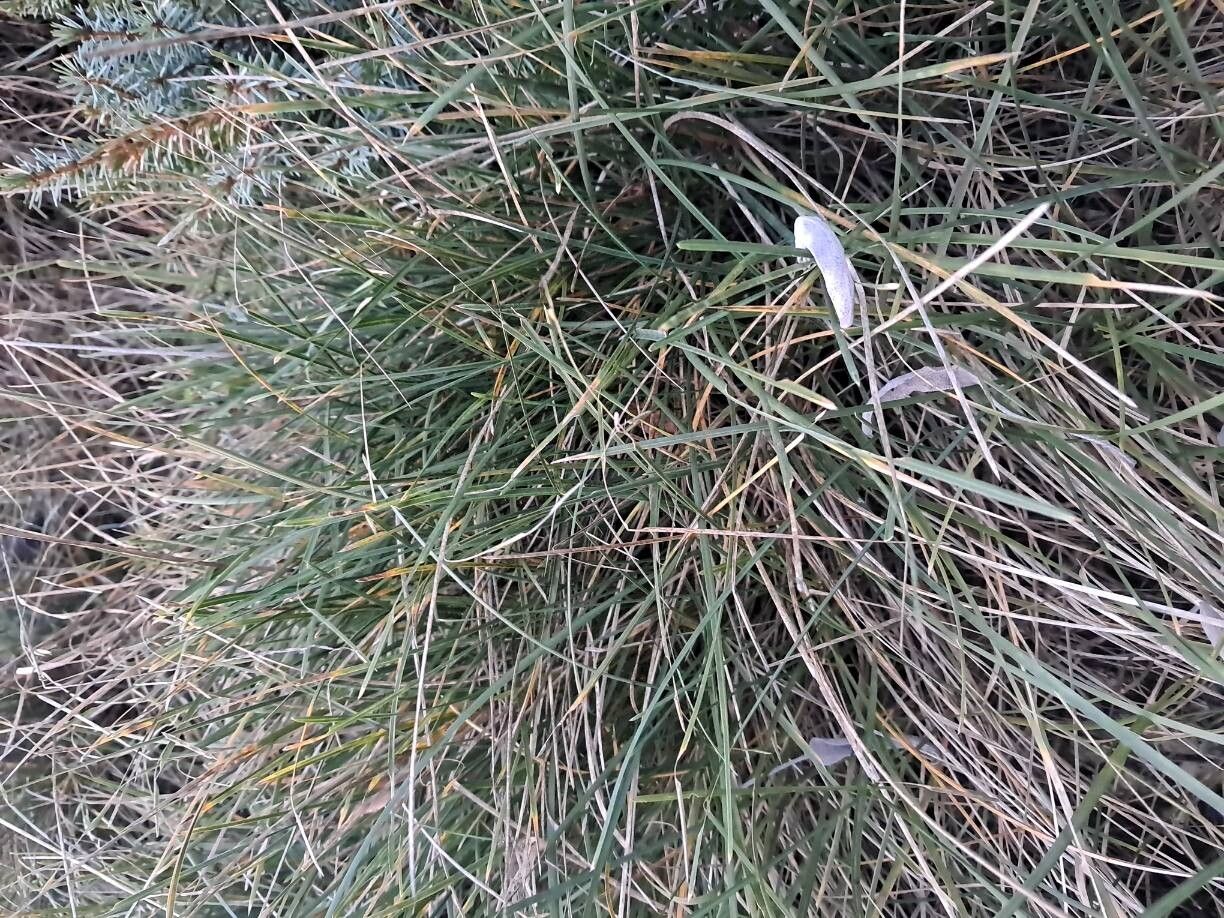
Hello fellow plant lovers! It’s so great to have you here. Today, we’re diving into the wonderful world of multiplying one of my favorite grasses: Sesleria robusta. You know, the one with those lovely, architectural blue-green leaves that look so neat and tidy even in the wind? It’s a real gem in the garden, offering texture and color that lasts. And the best part? It’s incredibly rewarding to see a new plant spring to life from a piece of an existing one. For those just dipping their toes into propagation, I’m happy to report that Sesleria robusta is quite forgiving. You’ll find this a very successful endeavor for beginners!
The Best Time to Start
When it comes to getting the most bang for your buck with propagation, spring is your absolute best friend. As the days start to lengthen and the plant is gearing up for active growth, it has the energy reserves to recover from taking cuttings or being divided. You can also have success in early autumn, but I find spring offers a more vigorous start for your new plants.
Supplies You’ll Need
Gathering your tools ahead of time makes the whole process much smoother. Here’s what I always have on hand:
- Sharp, clean pruning shears or a sharp knife: For clean cuts that heal well.
- A light, well-draining potting mix: I usually use a blend of peat moss, perlite, and a bit of compost. For grasses, less is more when it comes to richness.
- Small pots or seedling trays: With drainage holes, of course!
- Rooting hormone (optional but helpful): A powder or gel can give your cuttings a nice boost.
- A watering can or spray bottle: For gentle watering.
- Labels and a marker: So you remember what you’ve planted and when!
Propagation Methods
Sesleria robusta is a breeze to propagate primarily through division. This is where we split a mature plant into smaller, independent sections, each with its own roots and shoots.
Division: Step-by-Step
- Excavate with Care: In the spring (or early fall), dig up your Sesleria robusta plant. The goal is to gently lift the entire root ball from the soil. If the plant is large, you might need a spade to help loosen it.
- Clean and Separate: Gently shake off as much soil as you can from the roots. You want to clearly see where the healthy root systems divide.
- The Gentle Split: Now, the fun part. You can use your hands to tease the root ball apart, or if it’s stubborn, use a clean, sharp spade or knife to cut through the roots and rhizomes. Aim for sections that are roughly the same size and have a good clump of leaves and roots. Don’t be too rough; the goal is to minimize damage.
- Replant Your New Treasures: Immediately pot up your divisions into their new homes. Use your well-draining potting mix, and plant them so the crown (where the leaves emerge from the roots) is at soil level.
- Water and Settle: Water them in thoroughly. This helps settle the soil around the roots and reduces transplant shock.
The “Secret Sauce” (Pro Tips)
Here are a couple of little tricks I’ve learned over the years that really help:Sesleria robusta is a grass, so it doesn’t need a lot of fuss.
- Don’t Overwater After Division: While they need moisture to establish, overwatering is a quick way to invite rot. Let the soil surface dry out slightly between waterings.
- Give Them Some Shade (Initially): Freshly divided plants can be sensitive to strong, direct sun. I like to tuck them into a spot with dappled shade for the first week or two until they look perkier and show signs of new growth.
Aftercare & Troubleshooting
Once your divisions are planted, keep the soil consistently moist but not waterlogged. You’ll know they’re settling in when you see new leaf growth appearing. Just keep them watered regularly, and within a few weeks, they should be well on their way.
The main thing to watch out for is rot. If your divisions look mushy, smell bad, or the leaves start to yellow and collapse rapidly, it’s a sign of too much moisture. If this happens, you might need to gently ease back on watering or even replant in drier soil.
A Encouraging Closing
There you have it! Propagating Sesleria robusta is a straightforward and incredibly satisfying gardening project. Be patient as your new plants settle in, and enjoy the process of creating more of this wonderful grass for your garden or to share with friends. Happy growing!
Resource: