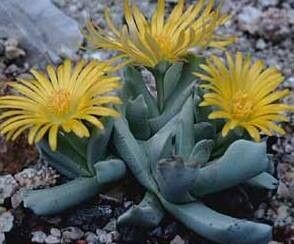
Oh, Schwantesia borcherdsii! If you’re looking for a succulent that’s a bit of a showstopper, you’ve found it. Those plump, grey-green leaves, often tinged with purple, and the promise of bright yellow flowers – it’s truly a gem. And the best part? Propagating these beauties is a wonderfully rewarding endeavor. Now, are they beginner-friendly? I’d say they fall into the medium category. They require a little more precision than your average Echeveria, but with a few key pointers, you’ll be well on your way to a whole clan of these stunners.
The Best Time to Start
My favorite time to get my hands dirty with Schwantesia propagation is during their active growing season. That typically means late spring through early summer. The plants are energized, they’ve recovered from any winter chill, and they’re itching to produce new growth. This gives your cuttings or divisions the best possible head start. Waiting for this growth spurt means you’re working with more robust material.
Supplies You’ll Need
To set yourself up for success, gather these essentials:
- Well-draining soil mix: A cactus and succulent mix is a good start, but I like to amend mine with extra perlite or pumice for even better aeration. Think rocky, not spongy!
- Sharp, clean pruning shears or a craft knife: Sanitation is key to prevent disease.
- Rooting hormone (optional but recommended): For those who like a little extra boost. I find it significantly speeds things up.
- Small pots or propagation trays: Terracotta pots breathe wonderfully and wick away excess moisture.
- Spray bottle: For gentle misting.
- Labeling stakes: Because trust me, you’ll forget what you planted!
Propagation Methods
Schwantesia borcherdsii are primarily propagated through stem cuttings and division.
Stem Cuttings
- Take your cutting: Look for a healthy stem with at least two sets of leaves. Using your sharp tool, make a clean cut just below a leaf node. You want a piece that’s substantial enough to root, usually a few inches long.
- Let it callous: This is a crucial step for succulents. Place your cutting in a dry, well-ventilated spot away from direct sun for 3-7 days. You want the cut end to form a dry, protective scab. This prevents rot when you plant it.
- Plant it up: Once calloused, dip the cut end into rooting hormone (if using). Then, gently insert it about an inch deep into your prepared well-draining soil mix. Don’t pack it too tightly.
- Water sparingly: Wait a few days after planting before giving it its first light watering. The goal is to keep the soil barely moist, not wet.
Division
Schwantesias often form clumps over time. This makes division a very effective method.
- Gently unpot: Carefully remove the entire plant from its pot. You might need to loosen the soil a bit with your fingers or a chopstick.
- Separate the crowns: Look for natural breaks where the plant seems to be dividing itself. You can gently pull apart the sections by hand or use your pruning shears to make a clean cut if necessary, ensuring each piece has some roots attached.
- Let them callous (briefly): While not as critical as with cuttings, letting the cut surfaces sit for a day or two to dry slightly can be beneficial.
- Pot them up: Plant each division in its own small pot with well-draining soil. Water them in lightly.
The “Secret Sauce” (Pro Tips)
Here are a couple of things I’ve learned over the years that make a big difference:
- Bottom heat is your friend: If you’re propagating in a cooler environment, placing your pots on a seedling heat mat can dramatically speed up root development. It mimics the warmth of summer and encourages those roots to get moving.
- Don’t drown your babies: When you first water your cuttings or divisions, be very gentle. A light misting or watering around the edges of the pot is often enough. Avoid letting the leaves sit in standing water, especially with stem cuttings, as this is a surefire way to encourage rot.
Aftercare & Troubleshooting
Once you start seeing new growth or feel some gentle resistance when you tug on your cutting, congratulations! Roots are forming.
- Gradually introduce to light: As your new Schwantesia begins to establish, slowly introduce it to brighter conditions. Avoid scorching direct sun initially.
- Watering: Continue to water sparingly, allowing the soil to dry out completely between waterings. It’s always better to underwater than overwater when it comes to succulents.
- Signs of rot: The most common issue is rot, which often looks like mushy, discolored stems or leaves. If you see this, act fast. Pull the plant out of the soil, cut away any rotted parts (making sure to get into clean tissue), and allow the healthy parts to callous for a period before attempting to replant. It’s a tough lesson, but sometimes you have to sacrifice a piece to save the rest.
A Little Patience Goes a Long Way
Propagating plants is an exercise in patience and observation. Some cuttings will take off like wildfire, others will be a bit more stubborn. Don’t get discouraged if every single one doesn’t make it. Celebrate the successes, learn from the challenges, and most importantly, enjoy the process of growing more of these wonderful Schwantesia borcherdsii for yourself and to share with fellow plant lovers. Happy gardening!
Resource:
https://identify.plantnet.org/k-world-flora/species/Schwantesia%20borcherdsii%20L.Bolus/data