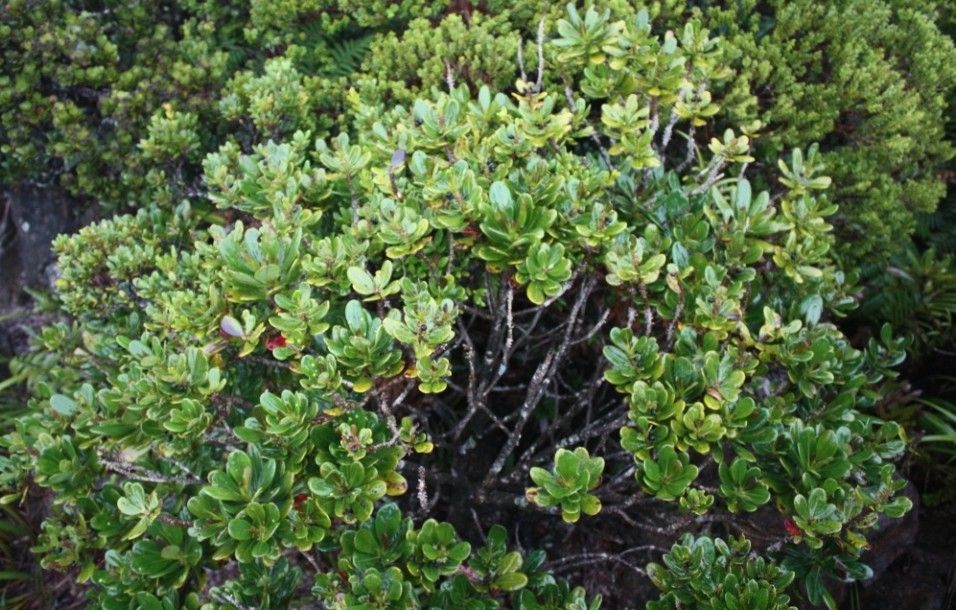
Hey there, fellow plant lovers! It’s so good to have you over. Today, we’re diving into the wonderful world of propagating Scaevola macropyrena. If you’ve ever admired those unique fan-shaped flowers, you’re in for a treat, because bringing more of them into your garden is absolutely achievable!
Why Propagate Scaevola macropyrena?
I’ve grown these beauties for years, and their delicate, almost ethereal blooms never fail to capture my attention. They bring a lovely splash of color and texture to borders and containers. Plus, there’s a special kind of joy that comes from nurturing a tiny cutting into a thriving plant. It’s a true testament to the magic of nature, and honestly, it’s incredibly satisfying. For those of you just starting out with propagation, I’d say Scaevola macropyrena falls into the “moderately easy” category. With a little care and attention, you’ll be successful.
The Best Time to Start
The sweet spot for propagating Scaevola macropyrena is definitely late spring or early summer. This is when the plant is in its most vigorous growth phase, meaning it has plenty of energy to put into developing roots. You want to take cuttings from healthy, non-flowering stems. Look for stems that are firm but still a bit pliable.
Supplies You’ll Need
Gathering your supplies beforehand makes the whole process so much smoother. Here’s what I always have on hand:
- Sharp Pruning Shears or a Craft Knife: For clean cuts.
- Rooting Hormone: Optional, but it gives cuttings a real boost. I prefer the powder form.
- Small Pots or Seed Trays: With good drainage holes.
- Well-Draining Potting Mix: A blend of perlite and peat moss works wonders, or a good quality commercial seed-starting mix.
- Plastic Bags or a Propagator Lid: To create a humid environment.
- Watering Can with a Fine Rose: For gentle watering.
- Labels and a Marker: Keep track of your cuttings!
Propagation Methods
Let’s get our hands dirty! We’ll focus on the most reliable method for Scaevola: stem cuttings.
Stem Cuttings:
- Select Your Cuttings: Choose healthy, upright stems that are about 4-6 inches long. Snip them just below a leaf node (where a leaf attaches to the stem). This is crucial as roots tend to form here.
- Prepare the Cuttings: Gently remove the lower leaves, leaving just a couple at the very top. If any flower buds are present, pinch them off; we want the plant’s energy to go towards roots, not flowers.
- Apply Rooting Hormone (Optional but Recommended): Dip the cut end of the stem into your rooting hormone, tapping off any excess.
- Plant Your Cuttings: Fill your small pots with the prepared potting mix. Make a small hole in the center with your finger or a pencil. Insert the cut end of the Scaevola cutting into the hole, making sure the node(s) you removed leaves from are buried. Gently firm the soil around the cutting.
- Water Gently: Give the pots a light watering to settle the soil.
- Create Humidity: Cover the pots with a plastic bag or propagator lid. Ensure the leaves aren’t touching the plastic if possible.
- Place in Suitable Conditions: Position the pots in a bright spot, but out of direct sunlight. They prefer warmth, so if your home is on the cooler side, placing them on a heat mat can really speed things up.
The “Secret Sauce” (Pro Tips)
Here are a few things I’ve learned over the years that make a real difference:
- Don’t Overwater: This is probably the most common mistake! Soggy soil is a death sentence for cuttings. Let the soil surface dry out slightly between waterings. It’s better to be a little dry than too wet.
- Bottom Heat is Your Friend: As I mentioned, a gentle heat mat can dramatically increase your success rate. Roots grow faster when they’re warm. You don’t need it blazing hot, just comfortably warm to the touch.
- Mist Sparingly, If At All: While humidity is important, over-misting can encourage fungal diseases. The plastic bag or propagator lid should do most of the work. If you see condensation, it’s likely humid enough.
Aftercare & Troubleshooting
Once your cuttings have developed roots – you’ll know when you see new growth or feel a gentle tug when you very lightly try to lift a cutting – it’s time for a little more attention.
- Acclimatize: Gradually remove the plastic bag or propagator lid over a few days to allow the new plant to adjust to normal humidity.
- Watering: Continue to water when the top inch of soil feels dry.
- Potting Up: Once the new plants have a good root system and are showing consistent new growth, you can pot them up into slightly larger containers with fresh potting mix.
- Troubleshooting: The biggest culprit for failed cuttings is rot. If you see your stems turning mushy and black, it’s usually a sign of too much moisture and not enough air circulation. Discard any rotting cuttings to prevent it from spreading. Sometimes, cuttings just don’t take – it’s part of the process! Don’t get discouraged.
Keep Growing!
Propagating plants is a journey, and every gardener, no matter how experienced, has had cuttings that didn’t make it. Be patient with your Scaevola, give them the conditions they need, and celebrate each success, no matter how small. Happy propagating, and enjoy those beautiful blooms!
Resource:
https://identify.plantnet.org/k-world-flora/species/Scaevola%20macropyrena%20I.H.Müll./data