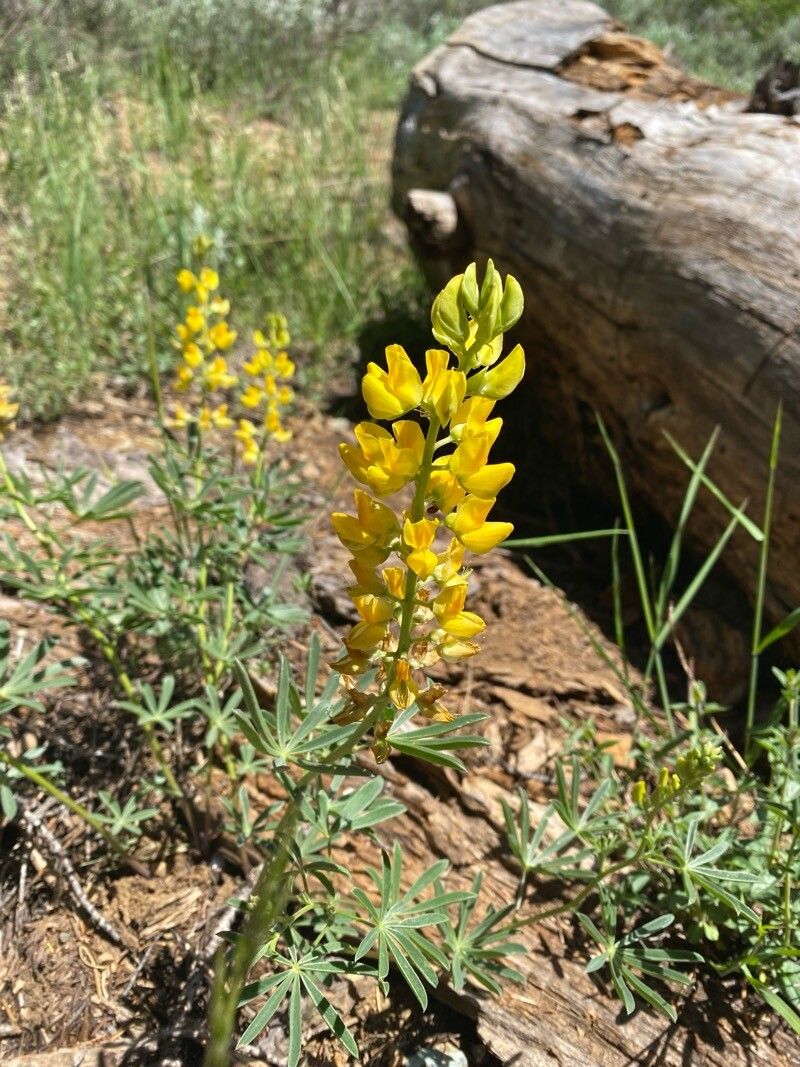
Oh, Lupinus croceus! What a joy it is to talk about these cheerful California native lupines. Their vibrant yellow blooms are like little rays of sunshine peeking through the spring landscape. Honestly, bringing more of these beauties into your garden is completely doable, even if you’re just dipping your toes into the world of propagation. I’ve found them to be quite forgiving, which is always a bonus!
When to Get Your Hands Dirty
For Lupinus croceus, the sweet spot for propagation is generally in late spring or early summer. You’re looking for healthy, actively growing stems that haven’t yet set seeds. This gives your cuttings plenty of time to establish roots before the heat of summer fully kicks in.
What You’ll Want in Your Toolkit
Gathering your supplies beforehand makes the whole process so much smoother. Here’s what I always have on hand:
- Sharp, clean pruning shears or a sharp knife: Hygiene is key to preventing disease.
- Seed-starting mix or a very well-draining potting mix: Something light and airy is best. I often mix in some perlite.
- Small pots or seed trays: Just the right size for your cuttings.
- Rooting hormone (optional but recommended): This little helper really gives cuttings a boost.
- Watering can with a fine rose or a spray bottle: Gentle watering is important.
- Small stakes or plant labels: To keep track of what you’ve planted.
How to Grow More Sunshine: My Favorite Methods
While Lupinus croceus can be grown from seed, propagating from cuttings is where I see the most satisfaction and success, especially for maintaining specific traits.
Stem Cuttings: The Classic Approach
This is my go-to method. It’s straightforward and effective.
- Take a cutting: Look for a non-flowering stem that’s about 4-6 inches long. Make a clean, angled cut just below a leaf node (where a leaf joins the stem). You want to remove any leaves from the bottom half of the cutting.
- Prepare the cutting: If you’re using rooting hormone, dip the cut end into the powder, tapping off any excess.
- Plant it up: Make a small hole in your prepared potting mix with a pencil or your finger. Gently insert the cut end of the stem into the hole. Firm the soil gently around the base.
- Water gently: Water the potting mix thoroughly but avoid waterlogging. A light misting is often enough to settle the soil.
- Provide humidity: Cover the pot loosely with a clear plastic bag or place it in a propagator. This is crucial for keeping the leaves from drying out while they’re trying to root. Ensure the leaves do not touch the inside of the plastic.
Division: For Established Plants
If you have a mature Lupinus croceus plant that’s gotten a bit large, you can try dividing it.
- Gently unearth the plant: Do this when the plant is dormant, usually in fall or early spring before new growth really takes off. Carefully dig it up, trying to preserve as much of the root ball as possible.
- Separate the crowns: Look for natural divisions in the root system where new shoots are emerging. You can gently pull these apart, or if they’re stubborn, use a clean, sharp knife to cut through the roots and crowns. Aim for sections with both roots and shoots.
- Replant immediately: Plant each division directly into well-prepared soil in your garden or in pots, just as you would a new plant. Water well.
The “Secret Sauce”: A Few Insider Tricks
These little things have made a world of difference for me over the years.
- Bottom heat is your friend: If you’re using stem cuttings, placing your pots on a heated propagator mat can significantly speed up root development. It mimics the warmth of spring soil and encourages those roots to appear sooner.
- Don’t overcrowd: Give your cuttings a little breathing room in their pots or trays. Overcrowding can lead to poor air circulation and increase the risk of fungal issues.
- Patience, precious patience: I know it’s tempting to keep poking and prodding, but resist the urge! Let time do its work. For stem cuttings, you usually won’t see significant top growth until roots have formed underneath.
Nurturing Your New Sprouts & What to Watch For
Once you see signs of new growth on your cuttings, it’s a very good indication that roots are forming.
- Gradual acclimatization: If you’ve used a plastic bag for humidity, gradually introduce your new plant to drier air by opening the bag for longer periods each day over a week or so.
- Watering: Keep the soil consistently moist but never soggy. As the plant grows, you can start to water it more like a mature specimen.
- Signs of trouble: The most common culprit for propagation failure is rot. If your cutting turns black and mushy, it’s likely rotted. This is usually caused by too much moisture and not enough air circulation. If you see this, discard the cutting promptly to prevent it from spreading. Wilting leaves can mean the cutting isn’t getting enough water or humidity, or it could be a sign of stress.
Watching a tiny cutting transform into a robust Lupinus croceus plant is one of gardening’s quiet triumphs. Be patient with the process, enjoy the journey, and soon you’ll have even more of those cheerful yellow blooms gracing your garden. Happy propagating!
Resource:
https://identify.plantnet.org/k-world-flora/species/Lupinus%20croceus%20Eastw./data