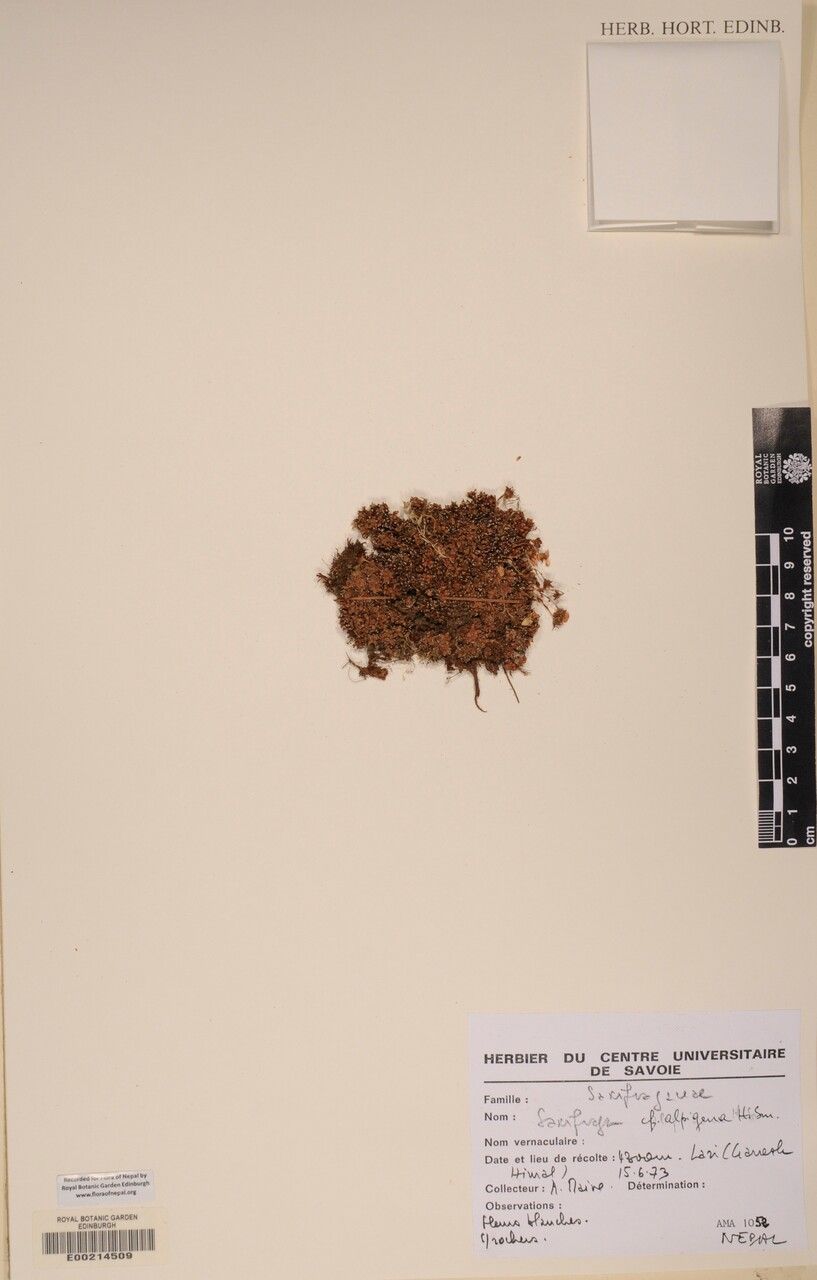
Ah, Saxifraga alpigena! What a delightful little plant to get to know. I’ve always been drawn to its delicate clusters of tiny, starry flowers, often a charming soft pink or white. They remind me of miniature mountain wildflowers, and bringing that little piece of alpine magic into my own garden has always felt like a special accomplishment. Propagating them is a wonderful way to multiply that magic, and frankly, it’s much easier than you might think!
While some saxifrages can be a touch fussy, Saxifraga alpigena is generally quite cooperative, making it a lovely project for beginners looking to expand their plant collection without too much worry.
The Best Time to Start
For the absolute best success, I find late spring to early summer is your sweet spot. That’s when the plant is in its active growth phase, full of vigor, and has plenty of healthy material to work with. You’re essentially catching it at its peak energy, which translates to faster rooting and stronger seedlings.
Supplies You’ll Need
Gathering your tools beforehand makes the whole process so much smoother. Here’s what I like to have on hand:
- Sharp, clean pruning shears or a razor blade: For precise cuts.
- A well-draining potting mix: I typically use a blend of equal parts perlite, coarse sand, and peat moss or coco coir. Don’t skimp on drainage!
- Small pots or trays: Terracotta pots are lovely, but anything clean and with drainage holes will do.
- Rooting hormone (optional but helpful): A good powder or gel can give cuttings a nice boost.
- A spray bottle: For misting.
- A clear plastic bag or propagator lid: To create a humid environment.
Propagation Methods
Saxifraga alpigena is most commonly and easily propagated through division, but you can also try stem cuttings if you’re feeling adventurous.
Method 1: Division – My Go-To for Saxifraga alpigena
This is like giving your plant a little haircut and a whole new family!
- Gently excavate: Carefully lift the entire plant from its pot or from the ground. I like to do this right after flowering or in the spring before it gets too hot.
- Tease apart the clumps: You’ll see that Saxifraga alpigena naturally forms clumps or rosettes. Gently separate these clumps with your fingers or a clean trowel. Try to get a piece with at least a few leaves and some attached roots. If a piece breaks off without roots, don’t worry, it might still grow, but ones with roots are a sure bet.
- Pot them up: Plant each division into its own small pot filled with your prepared well-draining mix. Tuck them in so the crown is just at the surface of the soil.
- Water gently: Give them a light watering, ensuring the soil is moist but not waterlogged.
- Provide a humid home: Place the pots in a shaded spot and cover them with a clear plastic bag or a propagator lid. This helps them retain moisture while they re-establish.
Method 2: Stem Cuttings – A Bit More Patience Required
This method works best when your plant is actively growing.
- Select healthy shoots: Look for non-flowering stems that are about 2-3 inches long.
- Make clean cuts: With your sharp shears or razor blade, make a clean cut just below a leaf node. A node is where the leaf joins the stem.
- Prepare the cutting: Gently remove any lower leaves, leaving just a few at the top. If you’re using rooting hormone, dip the cut end into it now.
- Plant your cuttings: Stick the cut end into small pots filled with your well-draining mix. Make sure the nodes are buried in the soil, as this is where roots will form.
- Create a humid environment: Water them lightly and then cover the pots with a clear plastic bag or propagator lid.
- Find a cozy spot: Place these in a bright, but indirectly lit location. Avoid direct sun, as it can scorch the delicate cuttings.
The “Secret Sauce” (Pro Tips)
Here are a couple of things I’ve learned over the years that really make a difference:
- Don’t crowd your cuttings: When using the bag method, make sure the leaves aren’t constantly pressed against the plastic. If they are, slightly prop up the bag with toothpicks or a small stake so there’s airflow. This prevents mold and rot.
- Bottom heat is your friend (for cuttings): If you’re going the cutting route and have the equipment, placing your pots on a gentle seedling heat mat can significantly speed up root development. It mimics their natural spring environment.
Aftercare & Troubleshooting
Once your divisions or cuttings show signs of new growth, it’s a good indication that roots have formed!
- Gradually acclimatize: Slowly remove the plastic bag or propagator lid over a few days to let them get used to the drier air.
- Water when the soil surface feels dry: Continue to water when the top inch of soil begins to feel dry to the touch.
- Move to brighter light: As they grow stronger, you can gradually introduce them to a brighter, but still protected, spot.
Now, what if things don’t go as planned? The most common issue I see is rot. This usually happens from overwatering or lack of drainage. If you see a cutting or division turning mushy and black, sadly, it’s likely a goner. The best thing to do is remove it right away to prevent it from spreading to other plants. Don’t get discouraged! Sometimes it takes a couple of tries to find the right balance for your environment.
A Encouraging Closing
Growing new plants from cuttings or divisions is such a rewarding part of gardening. It connects you more deeply with your plants and allows you to share their beauty with others. Be patient with your new Saxifraga alpigena babies. They might grow slowly at first, but with a little care and attention, you’ll soon have a whole host of these charming alpine beauties to enjoy. Happy propagating!
Resource:
https://identify.plantnet.org/k-world-flora/species/Saxifraga%20alpigena%20Harry%20Sm./data