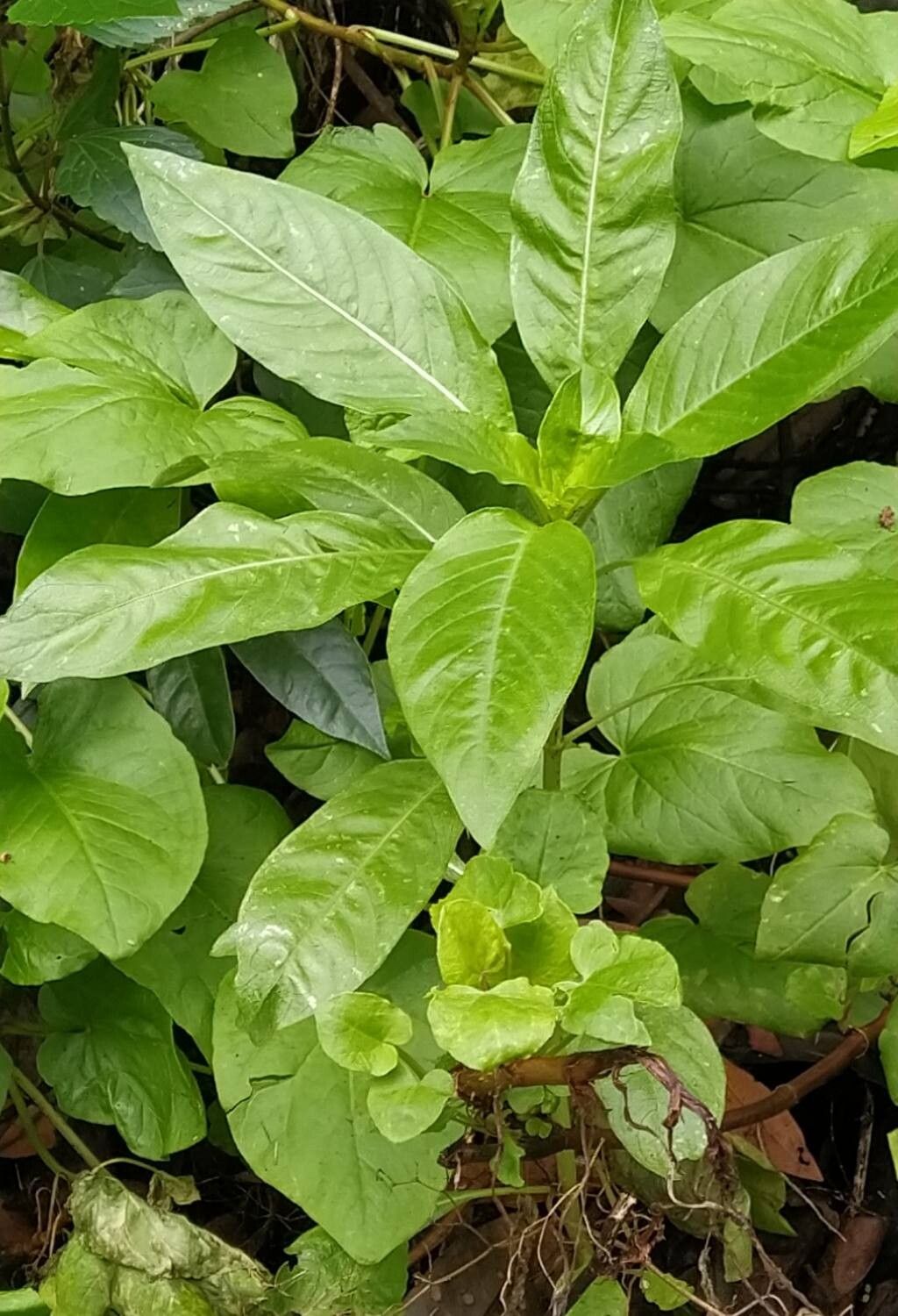
Hello fellow garden enthusiasts! Today, we’re diving into the delightful world of propagating Phyllis nobla. This plant, with its charming blooms and often generous habit, is a real joy to have gracing our gardens. And the wonderful thing about Phyllis nobla is that sharing a piece of this beauty with yourself, or even with a friend, is incredibly rewarding. For those just starting out on their propagation journey, I’m happy to say Phyllis nobla is generally quite forgiving. You’ll likely find success with a little patience.
The Best Time to Start
Timing is everything when it comes to plant propagation, and for Phyllis nobla, the sweet spot is often late spring or early summer. This is when the plant is in an active growth phase, meaning its energy levels are high and it’s primed to put out new roots. Look for stems that are semi-hardwood – they’ll be a bit firm but not completely woody yet. You want to avoid taking cuttings when the plant is stressed, especially during extreme heat or drought.
Supplies You’ll Need
Let’s get our workbench ready! Here’s what you’ll want to have on hand:
- Sharp Pruning Shears or a Craft Knife: Cleanliness is key!
- Rooting Hormone (Optional but Recommended): This gives your cuttings a little boost.
- Potting Mix: A blend of peat moss, perlite, and a touch of compost works wonders here. You want something that drains well but retains a little moisture. A good seed-starting mix is also a great option.
- Small Pots or Trays: Clean ones are crucial to prevent disease.
- Plastic Bags or a Propagator: To create a humid environment.
- Watering Can with a Fine Rose or a Spray Bottle: Gentle watering is best.
- Labels and a Marker: To keep track of your treasures!
Propagation Methods
Let’s get our hands dirty! My favorite way to multiply Phyllis nobla is through stem cuttings.
- Select Your Cuttings: As I mentioned, look for healthy, non-flowering stems from late spring or early summer. Aim for cuttings that are 4-6 inches long.
- Make Your Cut: Using your clean shears or knife, make a clean cut just below a leaf node (where a leaf attaches to the stem). This is where the magic happens, as roots tend to form most readily here.
- Prepare the Cutting: Gently remove the lower leaves, leaving just the top two or three sets. This reduces water loss and prevents leaves from rotting when buried.
- Dip in Rooting Hormone: If you’re using rooting hormone, dip the cut end of the stem into the powder or gel. Just coat the bottom inch or so – you don’t need much.
- Plant Your Cuttings: Fill your pots with your prepared potting mix. Make a small hole with your finger or a pencil, and gently insert the cutting so the bottom leaves are just above the soil surface. Firm the soil gently around the base to ensure good contact.
- Water Gently: Water thoroughly but gently until the soil is moist.
- Create Humidity: Cover the pots with a clear plastic bag or place them in a propagator. This traps moisture, which is essential for cuttings to root. Make sure the bag doesn’t touch the leaves too much. You can use small stakes to prop it up.
Water Propagation is also an option, though I find stem cuttings in soil often produce stronger initial root systems. If you choose this method:
- Prepare cuttings as above, but don’t remove as many leaves.
- Place the cuttings in a jar or vase of clean water, ensuring the leaf nodes are submerged.
- Crucially, ensure the leaves are above the water line. Leaves submerged will quickly rot.
- Change the water every few days to keep it fresh. You should see tiny white roots appear in a few weeks. Once these roots are about an inch long, you can carefully transplant them into potting mix.
The “Secret Sauce” (Pro Tips)
Here are a couple of things I’ve learned over the years that really help:
- Bottom Heat is Your Best Friend: If you have a propagation mat or can place your pots on top of a gently warmed windowsill (not too hot!), this provides consistent gentle warmth that encourages root development much faster. It’s a game-changer!
- Don’t Be Afraid to Experiment: Sometimes, a cutting that looks a bit sad will surprise you with roots. Likewise, a perfect-looking cutting might not make it. Variety is the spice of life, and that goes for propagation too! Take more cuttings than you think you’ll need.
Aftercare & Troubleshooting
Once your cuttings have rooted – you’ll see new leaf growth and a gentle tug on the stem will meet resistance – it’s time for a slightly different care routine.
- Acclimate Slowly: Gradually remove the plastic bag or open the propagator vents for increasing periods each day over a week to get the new plants used to normal humidity.
- Water Wisely: Water when the top inch of soil feels dry. Avoid letting them sit in soggy soil, as this is the quickest way to invite root rot, which often looks like wilting, mushy stems, or a sickly blackening at the base.
- New Growth is Your Sign: The most common sign of failure is no new growth and eventually, the stem turning soft and black. If you see this, unfortunately, it’s time to let it go. Molds can also appear on the soil surface – often this means the humidity is too high, or the air circulation is poor.
A Little Patience Goes a Long Way
Propagating plants is a wonderful way to connect with nature and deepen your gardening knowledge. Don’t get discouraged if every single cutting doesn’t make it. Celebrate the successes, learn from the misses, and enjoy the process. Soon enough, you’ll have a lovely collection of Phyllis nobla to enjoy. Happy propagating!
Resource:
https://identify.plantnet.org/k-world-flora/species/Phyllis%20nobla%20L./data