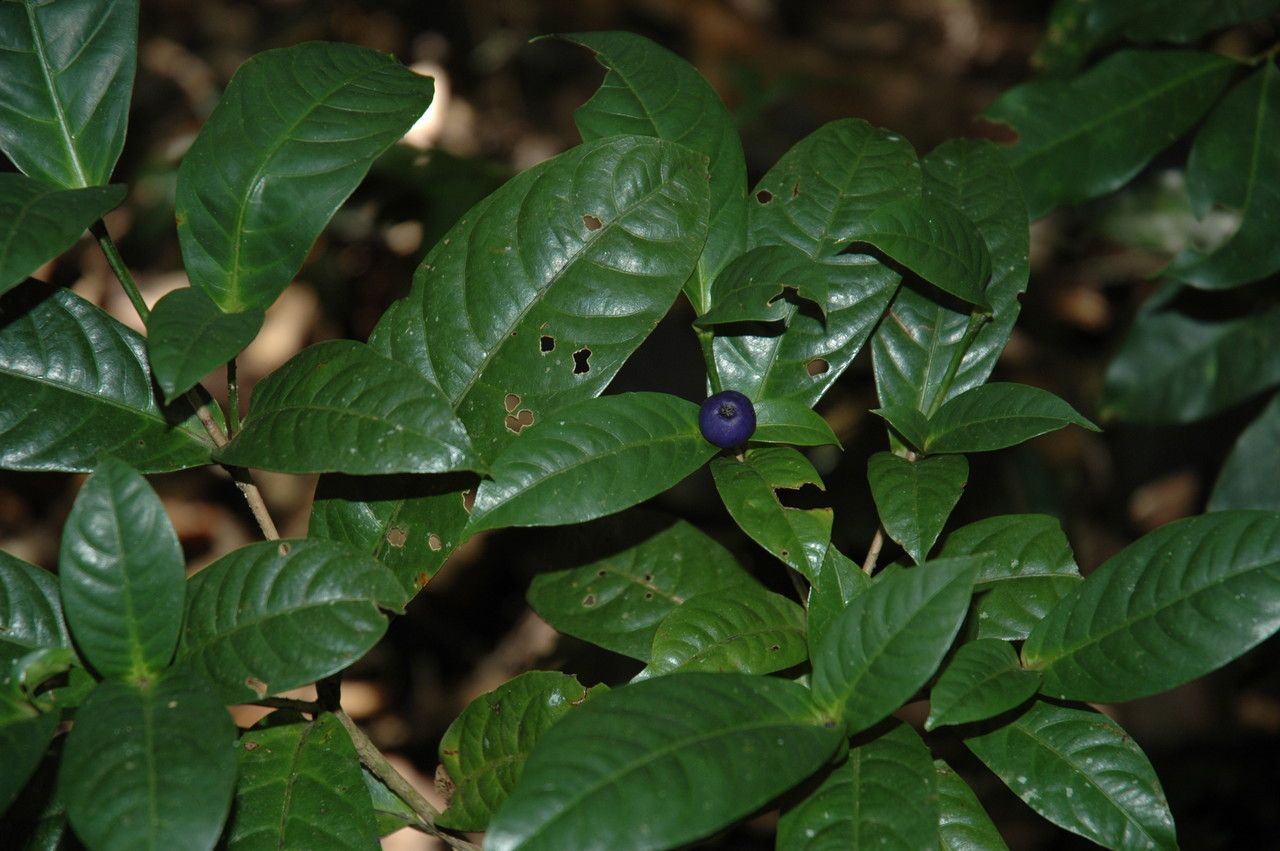
Oh, Saprosma foetens! What a conversation starter that plant is. Its unique aroma (which some find delightful, others… not so much!) and lovely, often glossy foliage make it a stand-out in any collection. And the reward of seeing a tiny cutting burst into a thriving new plant? Absolutely priceless. For those of you new to the propagation game, I’d say Saprosma foetens is a moderate challenge. It’s not going to throw you for loop like some fussy orchids, but it does appreciate a bit of attention to detail. Don’t let that deter you, though – with a little patience, you’ll be rewarded.
The Best Time to Start
I find the absolute sweet spot for taking cuttings of Saprosma foetens is late spring to early summer. This is when the plant is actively growing and has plenty of energy. You want to be looking for new, semi-hardened growth. That means the stems are no longer super soft and bendy, but they haven’t turned woody and stiff either. Think of it like a pencil that’s just started to firm up – perfect!
Supplies You’ll Need
Here’s what you’ll want to have on hand before you get started:
- Sharp pruning shears or a clean, sharp knife: A clean cut is crucial to prevent disease.
- Rooting hormone (optional but recommended): This gives your cuttings a little boost and can significantly increase success rates. Look for one specifically for stem cuttings.
- A good quality potting mix: I like to use a blend of peat moss or coco coir and perlite. You want something that drains well but still retains some moisture. A 50/50 mix is a great starting point.
- Small pots or seed trays with drainage holes: 4-inch pots are usually a good size for a few cuttings.
- Plastic bags or a propagation dome: This will create a humid environment for your cuttings.
- Water: For cleaning your tools and for watering your potting mix.
- Labels and a marker: To keep track of what you’ve planted and when!
Propagation Methods
Let’s get our hands dirty! I’ve had the most consistent success with stem cuttings for Saprosma foetens.
- Take Your Cuttings: Head out to your plant on a bright, clear morning. Select a healthy stem with that semi-hardened growth I mentioned. Using your clean shears or knife, take a cutting that’s about 4-6 inches long. Make the cut just below a leaf node (where a leaf attaches to the stem).
- Prepare the Cuttings: Gently remove the lower leaves from the cutting, leaving just a few at the top. This prevents them from rotting once planted. If your leaves are particularly large, you can even cut them in half to reduce water loss.
- Apply Rooting Hormone: Dip the cut end of the stem into your rooting hormone powder, tapping off any excess.
- Plant Your Cuttings: Moisten your potting mix slightly so it holds together when you squeeze it. Fill your small pots with the mix. Then, make a hole in the center of each pot with your finger or a pencil. Gently insert the cutting into the hole, pressing the soil around the base to secure it.
- Create a Humid Environment: Water the soil lightly. Then, cover the pot with a clear plastic bag, or place it inside your propagation dome. Make sure the leaves aren’t pressing against the plastic.
The “Secret Sauce” (Pro Tips)
Here are a couple of things I’ve learned over the years that really make a difference:
- Bottom Heat is Your Friend: Saprosma foetens, like many tropical plants, loves a bit of warmth from below. Placing your pots on a heated propagation mat can dramatically speed up root development. You want the soil temperature to be around 70-75°F (21-24°C).
- The “Don’t Drown It” Rule: While humidity is key, we don’t want soggy soil. After the initial watering, only water when the top inch of soil feels dry to the touch. Overwatering is one of the quickest ways to lose a cutting to rot. If you’re using a plastic bag, open it up for a few hours every couple of days to allow for some air circulation.
Aftercare & Troubleshooting
Once your cuttings have been planted, place them in a bright spot with indirect light. Avoid direct sun, which can scorch those delicate new leaves. Keep them consistently moist but not waterlogged.
You’ll know your cuttings are rooting when you gently tug on them and feel resistance, or when you see new growth appearing at the tips. This can take anywhere from 4 to 8 weeks, sometimes longer, so be patient!
The most common problem you’ll encounter is rot. If you see your cutting turning mushy or black at the base, it’s usually a sign of too much moisture and not enough air circulation. Unfortunately, once rot sets in, it’s very difficult to save. Prevention is key here – good drainage, proper watering, and a little ventilation are your best allies.
A Little Patience, A Lot of Joy
Propagating plants is a journey, and sometimes there are a few bumps along the way. Don’t get discouraged if your first attempt isn’t a roaring success. Keep experimenting, keep learning, and most importantly, enjoy the process of bringing new life into your garden. Happy propagating!
Resource:
https://identify.plantnet.org/k-world-flora/species/Saprosma%20foetens%20(Wight)%20K.Schum./data