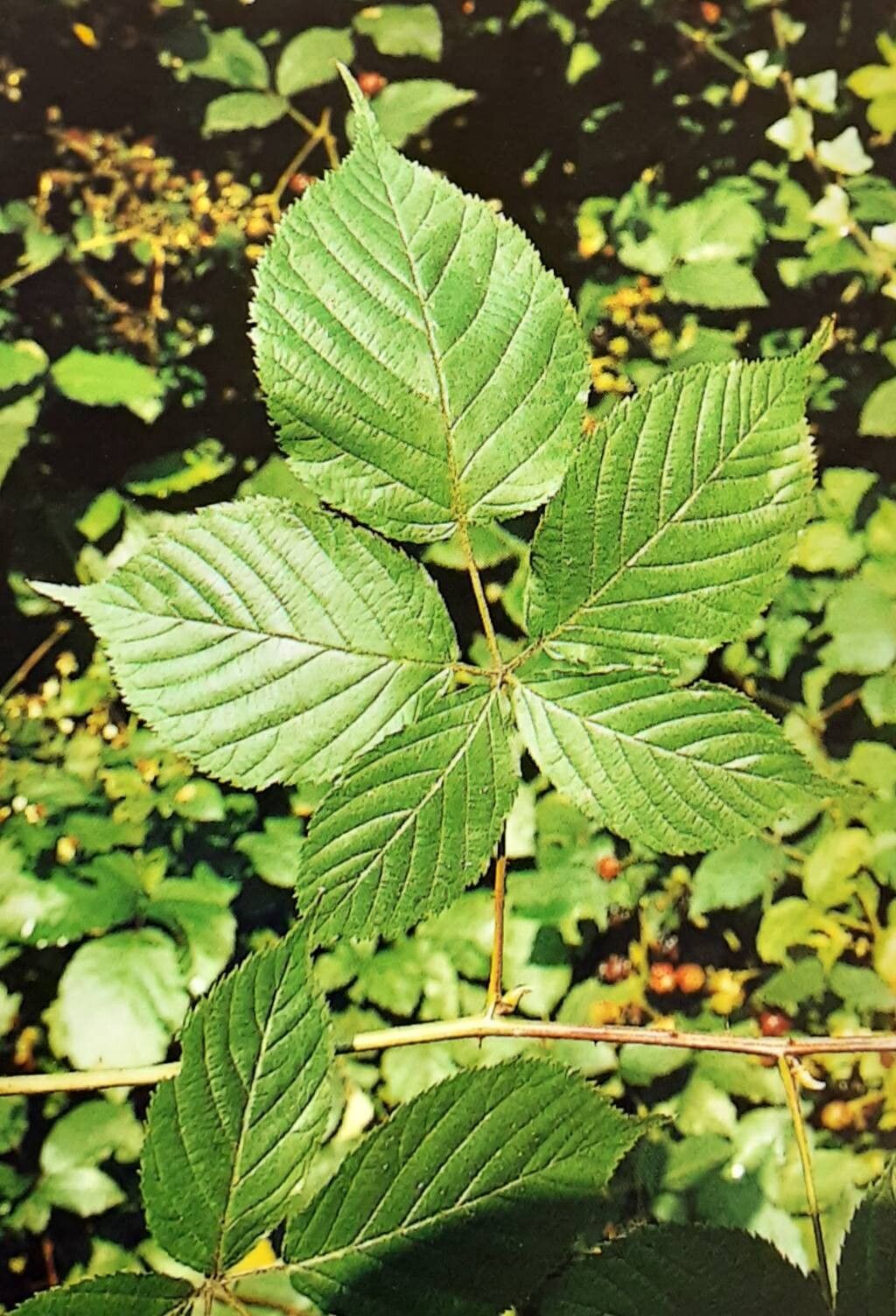
Oh, hello there! So, you’ve got your eye on Rubus allegheniensis, the Allegheny blackberry? What a fantastic choice! This native gem is more than just a pretty face; it offers delicious berries and a lovely, wild charm to any garden. And let me tell you, propagating your own plants from an existing one is incredibly satisfying. It’s like giving the gift of more beauty and bounty. Good news for you – yes, this one is quite beginner-friendly! You’ll be amazed at how readily it spreads.
The Best Time to Start
For the highest success rate with Rubus allegheniensis, I find the late spring to early summer is absolutely prime time. Think of it as the plant’s peak growing period. This is when the new shoots are vigorous and full of life, making them perfect candidates for taking cuttings. You can also have success with softwood cuttings taken a bit later in summer, but that early window is my favorite for ease and speed.
Supplies You’ll Need
Here’s what I usually have on hand when I’m ready to get propagating:
- Sharp pruning shears or a clean knife
- A well-draining potting mix, often a 50/50 blend of peat moss or coir and perlite or coarse sand.
- Small pots or trays with drainage holes
- Rooting hormone (optional, but it gives an extra boost!)
- A plastic bag or humidity dome
- A marker and small labels
- A watering can with a gentle spray nozzle
Propagation Methods
Rubus allegheniensis is wonderfully generous, and I find a couple of methods work particularly well:
Stem Cuttings (The Classic Approach)
- Choose your canes: Look for healthy, non-flowering stems from the current year’s growth. You want stems that are somewhat flexible but not completely soft and green. They should be about pencil-thick.
- Make the cut: Using your clean shears, take cuttings about 6-8 inches long. Make the bottom cut just below a leaf node (where a leaf attaches to the stem). The top cut should be at a slight angle, about 1/4 inch above another leaf node.
- Prepare the cuttings: Gently remove the lower leaves, leaving just one or two at the top.
- Dip in hormone (optional): If you’re using rooting hormone, dip the bottom end of the cutting into it, tapping off any excess. This step really does seem to speed things up!
- Plant them up: Fill your small pots with your prepared potting mix. Make a hole with your finger or a pencil, and gently insert the cutting, ensuring the lowest node is buried in the soil. Firm the soil gently around the base.
- Water and cover: Water the pots thoroughly until water drains out the bottom. Now, to create that humid environment they love, tent a plastic bag over each pot or the entire tray. Ensure the leaves do not touch the plastic. You can use stakes to keep the bag away from the foliage.
Layering (Nature’s Way)
This method takes advantage of the plant’s natural tendency to root.
- Find a suitable stem: Select a long, flexible stem that’s growing low to the ground, ideally one that’s touching the soil or can be easily bent down.
- Wound the stem: About midway along the stem, make a shallow scuff or slight cut on the underside. This encourages root formation.
- Bury and secure: Bend the wounded section of the stem to the ground, bury it in the soil, and secure it with a landscape staple or a heavy stone.
- Wait and watch: Leave the tip of the stem exposed above ground. Over several weeks, roots will form at the buried section.
- Sever and transplant: Once you see new leafy growth from the buried stem, indicating roots have formed, you can cut the stem from the parent plant a few inches back from the new growth. Carefully dig up the new rooted plant and transplant it to its new home.
The “Secret Sauce” (Pro Tips)
Alright, a couple of little tricks I’ve learned over the years that make a real difference:
- Bottom Heat is Your Friend: For stem cuttings, placing your pots on a heated propagation mat significantly speeds up the rooting process. It mimics the warmth of the soil in summer and encourages those roots to develop faster.
- Watch the Humidity Gauge: Once you’ve covered your cuttings, check them daily. If you see condensation building up very heavily on the inside of the plastic, vent the bag for a few hours to prevent fungal issues. It’s a delicate balance: you want humidity, but not swamp-like conditions.
- Don’t Rush the Separation: When dealing with layered plants, resist the urge to dig them up too soon. Be patient. Give them ample time to establish a good root system before you sever them from the mother plant. I usually wait until I see robust new growth in the spring for layered plants.
Aftercare & Troubleshooting
Once your cuttings have developed a decent root system – you’ll know by gently tugging on them and feeling resistance, or by seeing roots emerge from the drainage holes – it’s time for a bit more attention.
- Acclimate gradually: Begin by removing the plastic cover for increasing periods each day. This slowly gets them used to the drier air.
- Pot them up: Once they’re used to the open air, carefully transplant them into slightly larger pots with a good quality potting mix.
- Keep them moist, not soggy: Water them regularly, but always allow the top inch of soil to dry out a bit between waterings.
- Watch for rot: The most common sign of failure is rot, which looks like mushy, blackened stems or leaves. This usually happens from overwatering or poor air circulation. If you see this, there’s not much you can do except discard the affected cutting and try again, ensuring better drainage and more careful watering next time. Yellowing leaves can mean too much direct sun or not enough water, so adjust accordingly.
A Little Patience, A Lot of Reward
And there you have it! Propagating Rubus allegheniensis is a truly rewarding endeavor. Don’t get discouraged if every single cutting doesn’t make it – gardening is all about learning and persistence. Enjoy the process, get your hands in the soil, and soon you’ll have a whole new patch of these wonderful blackberries to enjoy. Happy gardening!
Resource:
https://identify.plantnet.org/k-world-flora/species/Rubus%20allegheniensis%20Porter/data