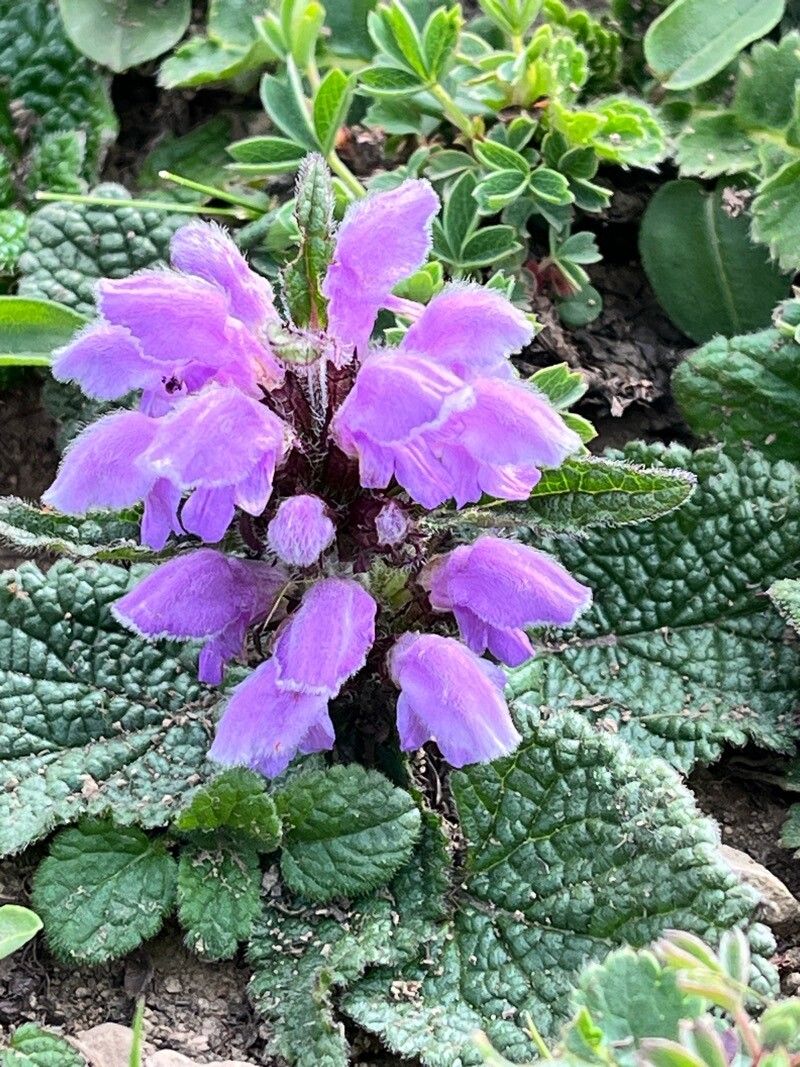
Hello fellow green thumbs! I’m so excited to talk to you today about a plant that has brought me so much joy over the years: Phlomoides bracteosa. Its fuzzy, architectural spires and delightful late-season blooms are a real treat in the garden. And the best part? Propagating it is not only possible but wonderfully rewarding. You’ll be sharing these beauties with friends in no time! Now, for beginners, I’d say Phlomoides bracteosa falls into the moderately easy category. It’s not quite as foolproof as a begonia cutting, but with a little care, you’ll likely have success.
The Best Time to Start
For the highest success rate, I always reach for my pruners in late spring to early summer. This is when the plant is actively growing and has plenty of energy to dedicate to forming new roots. Look for stems that are firm and developing, not the old woody bits or brand-new, flimsy shoots. You want something in between – a good, healthy piece of growth.
Supplies You’ll Need
Gathering your supplies beforehand makes the whole process so much smoother. Here’s what I usually have on hand:
- Sharp pruning shears or a clean knife: For taking clean cuts that heal well.
- Rooting hormone (optional but recommended): A powder or gel to encourage root development.
- A well-draining potting mix: I like to use a blend of equal parts peat moss or coco coir, perlite, and seed-starting mix. This combination provides aeration and moisture retention.
- Small pots or a propagation tray: Clean pots are crucial to prevent disease.
- A plastic bag or propagation dome: To create a humid environment.
- Watering can or spray bottle: For gentle watering.
- Labeling stakes: You’ll want to know what you planted and when!
Propagation Methods
Let’s get our hands dirty! I find stem cuttings to be the most effective method for Phlomoides bracteosa.
- Take Your Cuttings: Select healthy, non-flowering stems. Using your sharp shears, take cuttings that are about 4-6 inches long. Make a clean cut just below a leaf node (where a leaf attaches to the stem).
- Prepare the Cuttings: Gently remove the lower leaves from the cutting, leaving just 2-3 at the top. This helps prevent rot and focuses the plant’s energy on rooting.
- Apply Rooting Hormone (if using): Dip the cut end of the stem into your rooting hormone, tapping off any excess.
- Plant Your Cuttings: Fill your pots or tray with your prepared potting mix. Make a small hole in the center of the soil. Insert the cut end of the stem cutting into the hole. Gently firm the soil around it.
- Water Gently: Water the soil thoroughly but gently. You don’t want to dislodge the cutting.
- Create Humidity: Cover the pots or tray with a plastic bag or propagation dome. You can also pop the whole thing into a larger plastic bag if you’re using small pots. This creates a Mini greenhouse effect, which is essential for successful rooting.
The “Secret Sauce” (Pro Tips)
Here are a couple of little tricks I’ve learned over the years that really boost my propagation success:
- Bottom Heat is Your Friend: If you can, place your propagation tray on a gentle heat mat. This encourages root growth from below. Just make sure the heat isn’t too intense, or you could scorch your cuttings.
- Avoid Leaf-to-Soil Contact: When you plant your cuttings, try to ensure that the remaining leaves don’t touch the soil surface. This is a common culprit for rot and can prevent your cuttings from rooting. If they look a bit droopy, don’t panic; that’s normal.
Aftercare & Troubleshooting
Once your cuttings are planted and covered, keep them in a bright, indirect light location. Avoid direct sun, which can scorch them.
You’ll want to check the moisture level every few days. The soil should remain consistently moist but not waterlogged. If it starts to dry out, give it a gentle mist or a light watering.
The exciting part: Roots typically appear within 4-8 weeks. You can gently tug on a cutting. If you feel resistance, it’s a good sign of root development. Once they have a good network of roots, you can carefully unpot them and transplant them into their own small containers.
The most common issue you’ll encounter is rot. If you see your cuttings turning mushy or black, it’s a sign of too much moisture and not enough air circulation. Unfortunately, a rotted cutting can’t be saved. It’s best to discard it and try again, perhaps with better drainage or air circulation next time.
Happy Propagating!
Don’t be discouraged if every single cutting doesn’t make it. Gardening is all about learning from our experiences. Celebrate the successes, learn from the setbacks, and most importantly, enjoy the process of nurturing new life. Happy propagating, and may your Phlomoides bracteosa thrive!
Resource: