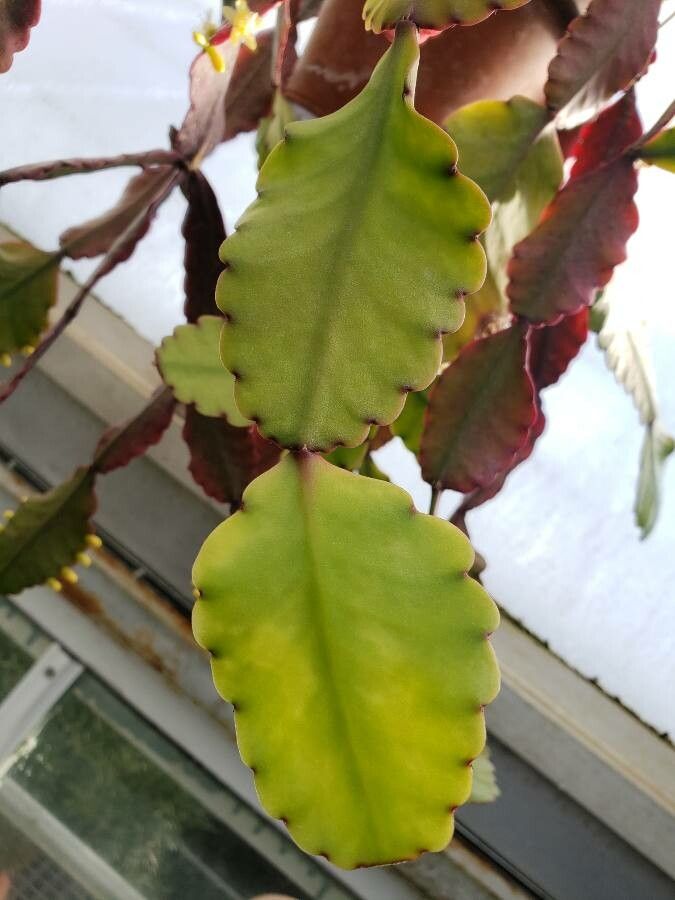
Hello fellow plant lovers! If you’ve ever admired the cascading elegance of Rhipsalis elliptica, or as some fondly call it, the “Mistletoe Cactus” due to its jointed stems, you’re probably already smitten. These beauties offer a unique architectural appeal with their segmented branches that spill gracefully from their pots. And you know what’s even more rewarding than seeing one thrive? Creating more of them! Many of you have asked me about propagating Rhipsalis elliptica. I’m happy to share that for those eager to expand their collection, this particular Rhipsalis is quite forgiving, making it a fantastic plant for beginners looking to dip their toes into propagation.
The Best Time to Start
For Rhipsalis elliptica, the sweet spot for propagation is really during its active growing season. Think late spring through summer. This is when the plant has the most energy stored up to push out new roots. You’ll have the best success if you take cuttings from healthy, mature stems that aren’t flowering.
Supplies You’ll Need
Gathering your tools beforehand makes the whole process so much smoother. Here’s what I always have on hand:
- A sharp, clean pruning shear or craft knife. Sanitation is key!
- A well-draining potting mix. I usually use a cactus/succulent mix with added perlite or orchid bark for extra aeration.
- Small pots or trays for your new cuttings. Terracotta pots are great as they breathe.
- Rooting hormone (optional, but can give you a nice boost).
- A spray bottle filled with clean water.
- Slow-release fertilizer for later on.
Propagation Methods
There are a couple of ways to get more Rhipsalis elliptica going, and both are pretty straightforward.
Stem Cuttings
This is my go-to method for Rhipsalis elliptica. It’s incredibly effective.
- Select your cutting: Look for a healthy stem segment, ideally with at least two or three joints. Gently twist or cut it from the main plant.
- Let it callous: This is crucial! Place your cutting in a dry, airy spot away from direct sunlight for 2-3 days. You want the cut end to dry and form a callous. This prevents rot.
- Apply rooting hormone (optional): If using, dip the calloused end into the rooting hormone powder. Tap off any excess.
- Planting: Fill your small pot with the well-draining mix. Make a small hole in the center and gently insert the calloused end of the cutting. Firm the soil around it.
- Watering: Water very sparingly at first. The soil should be lightly moist, not soggy. It’s better to underwater than overwater at this stage.
Water Propagation
While stem cuttings planted directly in soil are my preferred method for Rhipsalis, water propagation can work too, with a little care.
- Prepare the cutting: Follow steps 1 and 2 for stem cuttings (select and callous).
- Place in water: Find a clean glass or jar. Fill it with clean water. Crucially, ensure that no part of the stem segment is submerged in the water, only the very cut end. You can prop it up with a skewer or a small stone if needed.
- Change water regularly: Refresh the water every few days to keep it clean and prevent bacterial growth.
- Wait for roots: You should see tiny roots emerging from the cut end. This can take several weeks.
- Planting: Once the roots are about an inch long, you can carefully transplant it into your well-draining soil mix, following step 5 of the stem cutting method for initial watering.
The “Secret Sauce” (Pro Tips)
Over the years, I’ve picked up a few little tricks that make a big difference.
- Bottom Heat: If you can, placing your potted cuttings on a gentle seedling heat mat can significantly speed up root development. They love a little warmth from below, especially if your room is on the cooler side.
- Don’t Overcrowd: When you plant your cuttings, give them a little breathing room. If they’re too close together, they can compete for resources and increase the risk of fungal issues.
- Patience with the Mist: When you mist your cuttings (only if the soil looks very dry!), aim to mist the air around the plant, not the leaves directly. Excess moisture sitting on the segments can lead to rot.
Aftercare & Troubleshooting
Once your cuttings have started to develop roots, you’ve entered the home stretch!
- Gradual Acclimation: As roots form, you can gradually increase watering. Let the soil dry out completely between waterings. Your new plants still prefer it on the drier side.
- Light: Place your baby Rhipsalis in a spot with bright, indirect light. Too much direct sun will scorch them.
- Fertilizing: Wait until you see definite new growth before you even think about feeding. Start with a heavily diluted liquid fertilizer (half strength or less) just once a month during the growing season.
The most common issue you’ll encounter is rot. If a cutting turns mushy and brown, it’s almost always a sign of too much moisture. If you see this, remove the affected part immediately and let the other parts dry out thoroughly. If a cutting just seems to shrivel and doesn’t show any signs of roots or rot, it might be that it just hasn’t found the energy to get going. Sometimes, they’re just a bit slow!
A Encouraging Closing
Don’t be discouraged if your first attempt isn’t perfect. Propagation is a journey, and each plant offers its own lessons. Be patient with your new Rhipsalis elliptica babies, celebrate every tiny new root and leaf, and enjoy the wonderful process of growing your own green family. Happy propagating!
Resource: