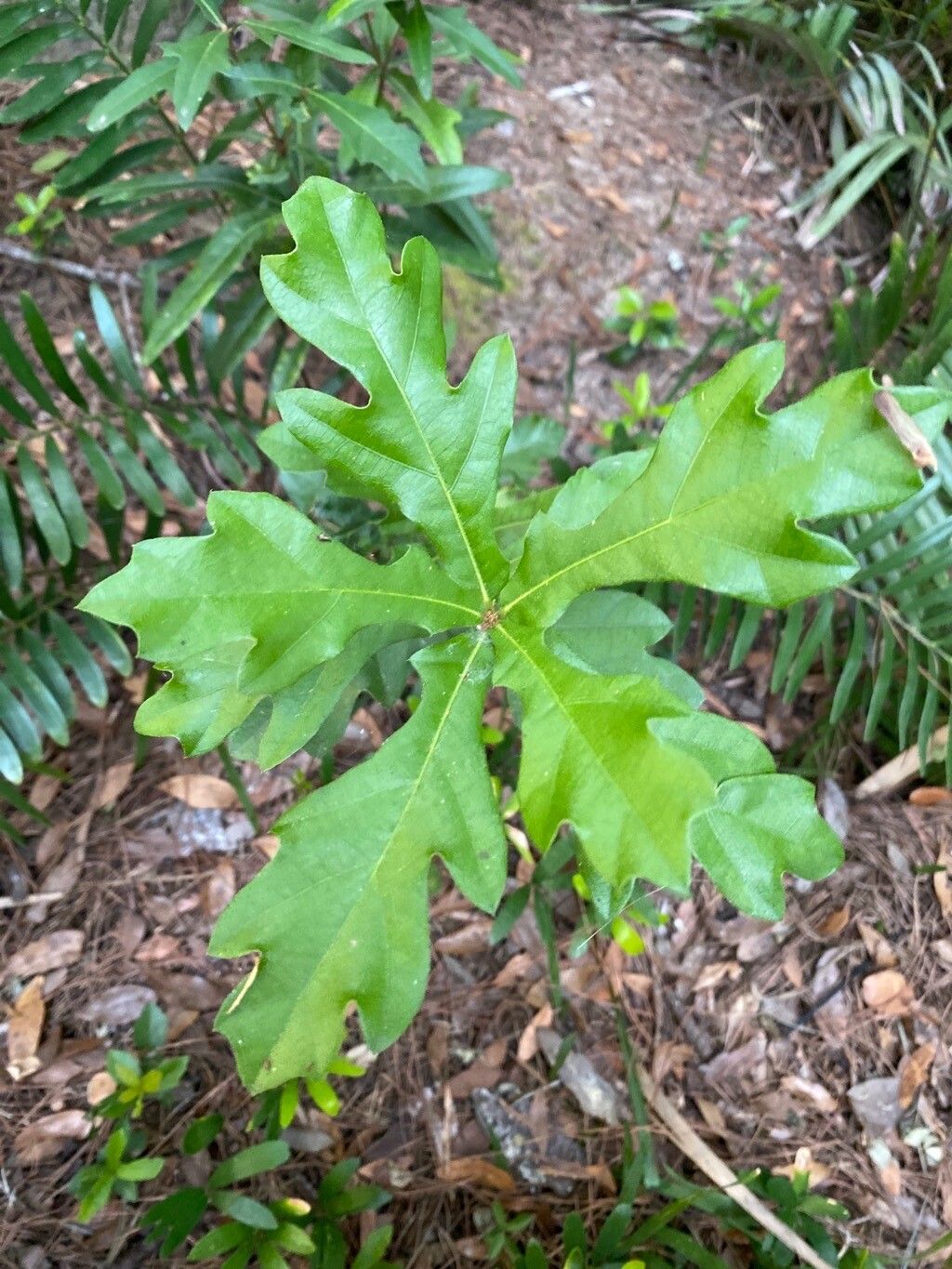
Growing an Oak from an Acorn: Your Guide to Propagating Quercus Austrina
Oh, if you’ve ever seen a majestic Southern Live Oak, you know the quiet power they hold. Quercus austrina, or the Bluff Oak, has that same wonderful presence, though often a bit more tucked away in its natural beauty. There’s a special kind of magic in taking something so small, like an acorn, and nurturing it into a future giant. Propagating these beauties is a truly rewarding journey, one that connects you directly to the enduring spirit of our woodlands. Now, for beginners wondering if this is an easy feat, I’d say it’s moderately challenging. It requires a bit of patience and understanding, but with these steps, you’ll be well on your way.
When is the Best Time to Get Started?
The absolute best time to begin propagating Quercus austrina is in the fall, right after the acorns have matured and dropped from the parent tree. This mimics nature’s own timeline perfectly. You want to work with acorns that have had time to develop fully and are ready to begin their journey. Collecting them fresh from the source ensures they have the best chance of viability.
What You’ll Need for Your Propagation Project:
Here’s a little toolkit to set you up for success:
- Freshly collected Quercus austrina acorns: Look for plump, undamaged ones.
- Damp sphagnum moss or peat moss: This will keep your acorns hydrated during their dormancy period.
- Sealable plastic bags or containers: To create a humid environment for stratification.
- A well-draining potting mix: A good blend of peat, perlite, and compost works wonders. Avoid heavy soils.
- Small pots or seed trays: For planting your germinated acorns.
- A spray bottle: For gentle watering.
- A sunny windowsill or a protected outdoor spot: Depending on the stage.
- Optional: A fungicide: To help prevent mold during the stratification process.
Let’s Get These Acorns Growing!
For Quercus austrina, the most straightforward and successful method is by collecting and stratifying acorns. While some might experiment with cuttings, acorn propagation is where the real magic happens for this oak.
-
Gather Your Acorns: Head out in the fall. Gently pick up acorns from the ground near mature trees. Avoid any with visible holes (that’s a acorn weevil, a definite no-go!) or those that are cracked and dry. A quick float test can help; good acorns usually sink, but don’t be discouraged if a few float – you might still have luck with them!
-
Stratification is Key: This is where we trick the acorn into thinking winter has passed.
- Mix your collected acorns with damp (not wet!) sphagnum moss or peat moss in a plastic bag or container. You want the moss to be moist enough to cling to your fingers but not drip water.
- Seal the bag or container to keep the moisture in.
- Label the bag with the species (Quercus austrina) and the date.
- Place the bag in the refrigerator (not the freezer!) for at least 30-60 days, or even longer. Check the moisture levels periodically and add a spritz of water if it seems dry. You might even see a tiny root emerge during this period, which is a fantastic sign!
-
Time to Plant: Once your acorns have undergone their chilling period and ideally show signs of germination (a tiny root or split in the shell), it’s time to plant.
- Fill your small pots or seed trays with your well-draining potting mix.
- Plant each acorn about 1-2 inches deep, with the pointed end facing downwards. This is crucial for root development.
- Water gently with your spray bottle to settle the soil around the acorn.
-
Initial Care: Place the pots in a bright, indirect light location. Keep the soil consistently moist but never waterlogged. You can place a clear plastic dome or bag over the pots to maintain humidity, but be sure to ventilate it daily to prevent mold.
A Little Something Extra (The “Secret Sauce”):
- Don’t rush the stratification: Oaks are naturally programmed to wait for the right conditions. Give them that uninterrupted chill. Trying to rush it can lead to poor germination.
- Think root first: When planting, always remember the root emerges from the pointed end. Planting it downwards literally guides its growth in the right direction.
- Patience with germination: Acorns don’t sprout overnight! It can take anywhere from a few weeks to a couple of months after planting to see that first sprout emerge from the soil. Just keep them consistently moist and warm.
Aftercare and What to Watch For
Once you see that beautiful seedling emerge, it’s time for a slight adjustment in care.
- Gradually increase light: As the seedling grows, slowly introduce it to more direct sunlight.
- Watering: Continue to keep the soil moist. You’ll likely notice you can water less frequently as the plant establishes, but always check the soil moisture with your finger before watering.
- Transplanting: When your seedling has developed a good root system and is a few inches tall, you can carefully transplant it into a slightly larger pot. Be very gentle with the roots, as they are still quite delicate.
Troubleshooting: The most common issue you’ll face is damping-off, a fungal disease that affects seedlings. This usually happens when the soil is too wet and the air circulation is poor. Signs of damping-off include a wilting or rotting stem at the soil line. If you see this, act quickly by removing the affected seedling and improving air circulation. Another potential problem is mold growth on the soil surface during stratification; a light dusting of fungicide can help prevent this.
Keep Growing!
Propagating Quercus austrina is a journey of observation and gentle guidance. It’s about working with nature’s rhythm, not against it. Don’t be discouraged if every acorn doesn’t sprout – that’s part of the learning process. Enjoy the quiet anticipation, the thrill of that first tiny leaf, and the deep satisfaction of knowing you’ve helped bring another magnificent oak into the world. Happy gardening!
Resource:
https://identify.plantnet.org/k-world-flora/species/Quercus%20austrina%20Small/data