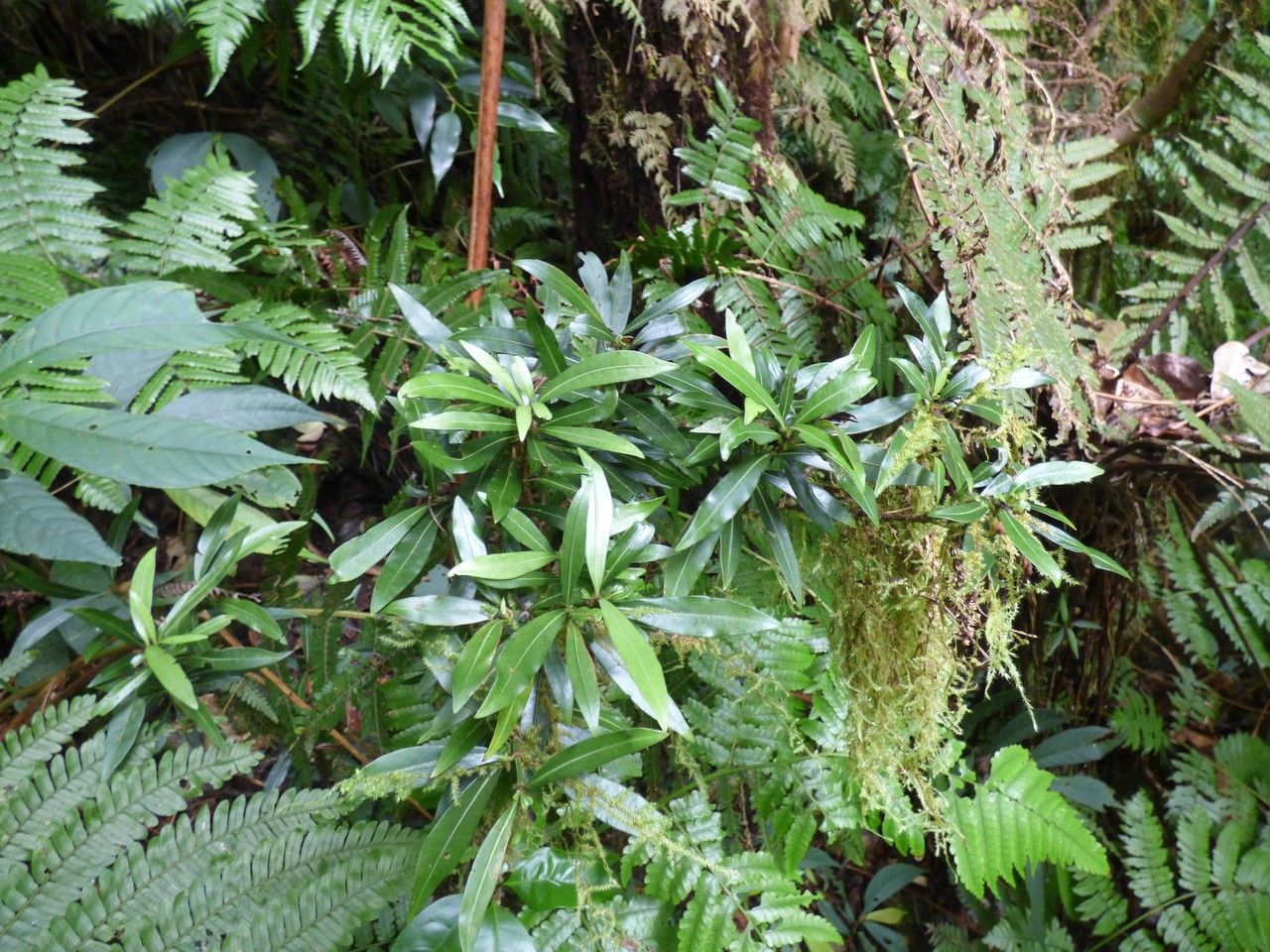
Hello, fellow plant lovers! I’m so excited to share a guide on propagating Psychotria borbonica with you today. If you’ve ever admired the striking foliage and unique, sometimes fragrant, flowers of this tropical beauty, you’re in for a treat. Getting more of these gems for yourself or to share with friends is incredibly satisfying. Now, let’s be honest, Psychotria borbonica can be a little bit fussy, so it might not be the absolute easiest plant for a complete beginner to start with, but with a little patience and these tips, you’ll be well on your way!
The Best Time to Start
For the highest success rate with Psychotria borbonica, aim to propagate during its active growing season. This typically falls between late spring and early fall. You’re looking for new, vibrant growth on the plant – think healthy, semi-hardened stems rather than brand new, soft shoots or old, woody bits. This is when the plant has the most energy to put into developing roots.
Supplies You’ll Need
Here’s what you’ll want to have on hand before you begin:
- Sharp, clean pruning shears or a sharp knife: For taking cuttings without crushing the stems.
- Rooting hormone: A powdered or liquid product will significantly boost your chances. Look for one with IBA (indole-3-butyric acid).
- Well-draining potting mix: A blend of peat moss, perlite, and a bit of orchid bark works wonders. A standard houseplant mix with extra perlite added is also a good option.
- Small pots or seed trays: Clean pots are crucial to prevent disease.
- Clear plastic bags or a propagation dome: To create a humid microclimate.
- Watering can or spray bottle: For gentle watering.
- Optional: Heating mat: This can speed up root development, especially if your ambient temperatures are on the cooler side.
Propagation Methods
I find stem cuttings to be the most reliable method for Psychotria borbonica. Here’s how I do it:
- Select Your Cuttings: Head over to your healthy Psychotria borbonica. Look for stems that are about 4-6 inches long and have at least two sets of leaves. Gently feel the stem – you want it to be firm but not brittle. This is that perfect semi-hardwood stage.
- Make the Cut: Using your sharp, sterilized shears, make a clean cut just below a leaf node. A leaf node is where a leaf attaches to the stem, and it’s where roots are most likely to form.
- Prepare the Cutting: Gently remove the lower leaves from the cutting. You want to leave about two to four leaves at the top. If any of the remaining leaves are very large, I often cut them in half lengthwise. This reduces water loss through transpiration while still providing some energy for the cutting.
- Apply Rooting Hormone: Dip the cut end of the stem into your rooting hormone. Tap off any excess.
- Plant Your Cuttings: Fill your clean pots with your well-draining potting mix. Make a small hole with your finger or a pencil. Insert the hormone-coated end of the cutting into the hole and gently firm the soil around it. I usually plant 2-3 cuttings per pot, giving them a little space.
- Create Humidity: Water the soil gently until it’s moist but not waterlogged. Then, cover the pot with a clear plastic bag or a propagation dome. Make sure the leaves aren’t touching the plastic if possible. This traps moisture and creates that humid environment cuttings crave.
The “Secret Sauce”
Now, for a couple of my tried-and-true tricks that make a real difference:
- Bottom Heat is Your Friend: If you have a heating mat, place your pots on it. Psychotria borbonica absolutely loves a little warmth from below when it’s trying to root. It feels like a warm tropical soil, and it makes a huge difference in how quickly and successfully root development happens, especially if your room isn’t naturally toasty.
- Air Circulation is Key (Eventually): While you want that initial humidity to get things going, you don’t want stagnant, damp air long-term. After about a week or two, start peeking under the bag or dome daily for a few minutes to let some fresh air in. This helps prevent fungal issues. As you see new growth, you can gradually introduce it to more typical air conditions.
Aftercare & Troubleshooting
Once you’ve got your cuttings potted, they don’t need much direct sunlight. Bright, indirect light is perfect. Keep the soil consistently moist but never soggy. Gently mist the leaves occasionally if you’re not using a dome.
The most common sign of failure is rot. If your cutting turns mushy, black, and smelly, it’s likely rotted. This often happens from too much moisture, poor drainage, or lack of air circulation. Don’t be discouraged if a few don’t make it; it’s a natural part of the process!
You’ll know your cutting is successful when you see new leaf growth emerging from the top or along the stem. You can also give the cutting a very gentle tug. If you feel resistance, roots have formed! Once roots are well-established (you might see them peeking out of the drainage holes), you can transplant your new Psychotria borbonica into its own slightly larger pot. Continue to provide bright, indirect light and well-draining soil.
A Little Patience Goes a Long Way
Propagating plants is such a rewarding journey. It connects you more deeply with your plants and the natural world. Remember to be patient with your Psychotria borbonica. It might take a few weeks, or even a couple of months, to see those first signs of life. Enjoy the process of nurturing these little ones, and soon you’ll have a whole collection of these unique beauties! Happy growing!
Resource: