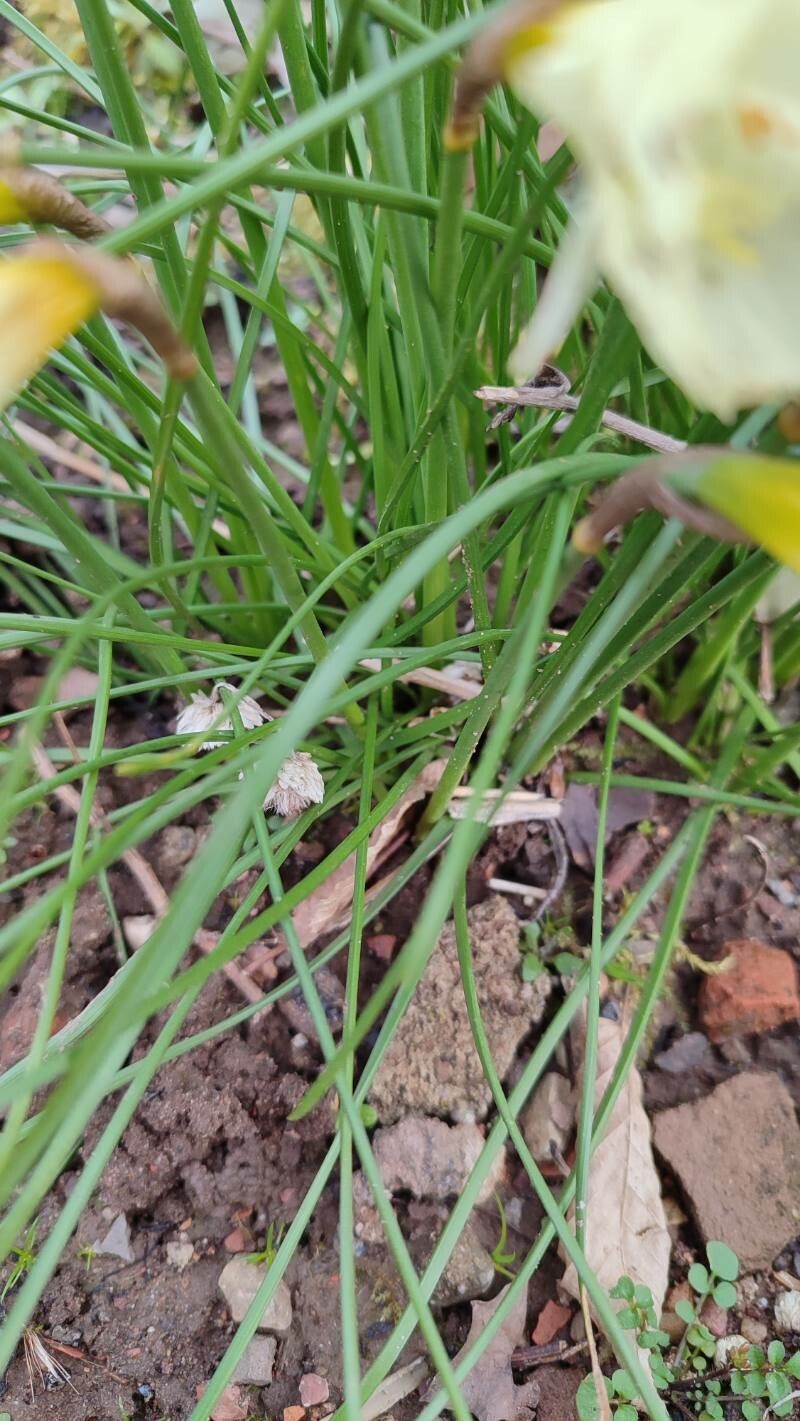
Hello, fellow garden enthusiasts! Today, we’re diving into the charming world of Narcissus cantabricus, often called the Spring Snowflake Narcissus. Those delicate, star-shaped white blooms with their distinctive cups are just a delight, aren’t they? They have a graceful way of uplifting any garden space, and there’s something truly special about nurturing a new life from an existing plant. Propagating these beauties is a wonderfully rewarding project, and while they might seem a tad more specialized than your common daffodil, I find them quite manageable. It makes for a great learning experience, even if you’re just starting to experiment with propagation.
The Best Time to Start
For Narcissus cantabricus, the ideal time to propagate is right after they finish flowering, typically in late spring or early summer. You’ll see the foliage starting to yellow and die back. This is the natural process where the bulb is storing energy for its next bloom. It’s the perfect moment to gently separate new offsets without stressing the parent plant or its developing flower for the following year.
Supplies You’ll Need
Gathering your tools beforehand makes the whole process so much smoother. Here’s what I recommend:
- A sharp, clean knife or trowel: For carefully separating bulbs.
- Sterilized potting mix: A well-draining mix is crucial. I like to use a blend of roughly equal parts peat moss, perlite, and compost. You can sterilize it by baking it in the oven at 200°F (93°C) for about 30 minutes.
- Small pots or trays: For housing your new divisions. Make sure they have drainage holes!
- Optional: Rooting hormone: While not strictly necessary for Narcissus, it can give your divisions a little extra boost.
- Labels and a permanent marker: To keep track of what you’ve planted and when.
Propagation Methods
Narcissus cantabricus primarily propagates through division of offsets. This is where new little bulbs form right alongside the parent bulb.
- Gently Excavate: Wait until the foliage has largely withered and died back. Carefully dig up the entire clump with your trowel or knife. Try to disturb the roots as little as possible.
- Clean and Inspect: Gently brush away excess soil. You’ll see the main bulb and several smaller bulbs attached to its base. These are the offsets.
- Separate the Offsets: This is the most delicate part. Using your clean knife, carefully slice away the smaller offset bulbs from the parent bulb. Ensure each offset has at least one basal plate (the bottom where roots emerge) and a small part of the parent bulb if possible. If an offset is very small, it might be best to leave it attached for another season.
- Allow to Dry (Briefly): Let the separated offsets sit in a dry, airy spot for a day or two. This helps any cuts to callous over, reducing the risk of rot.
- Planting Time: Fill your small pots or trays with your sterilized potting mix. Make a hole in the center large enough for the offset’s roots. Plant the offset so the top of the bulb is just at or slightly below the soil surface. Water gently.
- Label and Store: Label your pots with the plant name and date. Place them in a cool, dry location, like a shaded spot outdoors or a cool garage, for the summer. Keep the soil barely moist, just enough to prevent drying out completely.
The “Secret Sauce” (Pro Tips)
Here are a couple of things I’ve learned from years of coaxing bulbs to multiply:
- Don’t Rush the Foliage: Resist the urge to cut back those green leaves too early. They are the food factories for the bulb, storing energy for next year’s bloom and for producing those precious offsets. Let nature take its course.
- Think “Airflow” for Rot Prevention: When propagating bulbs, space them out well in their pots and ensure your potting mix is really free-draining. If you’re storing them before planting, a slightly breezy, cool location can prevent any lingering moisture from causing fungal issues.
Aftercare & Troubleshooting
Once you’ve planted your divisions, resist the urge to water them constantly. The summer is their resting period underground. Keep the soil barely moist, especially if you live in a very dry climate. You want to prevent the bulbs from shriveling but also avoid anything that encourages rot.
The most common issue you might encounter is rot. If a bulb turns mushy, black, and smells foul, it’s likely succumbed to rot. This usually happens if the soil is too wet, the drainage is poor, or if there were fungal spores present. If you see this, remove the affected bulb immediately to prevent it from spreading to others.
When autumn arrives, you can move your potted Narcissus to a cooler spot outdoors where they will receive natural rainfall, or gently water them again. They will start to grow their leaves again, and with luck, you’ll have a healthy bloom next spring!
Happy Propagating!
Remember, patience is your best companion in the garden. Watching these little offsets grow into their own blooming plants is a truly satisfying journey. Don’t be discouraged if not every single division makes it – it’s all part of the learning process. Enjoy the quiet moments of tending to your plants, and soon you’ll be rewarded with even more of those beautiful white blooms. Happy gardening!
Resource:
https://identify.plantnet.org/k-world-flora/species/Narcissus%20cantabricus%20DC./data