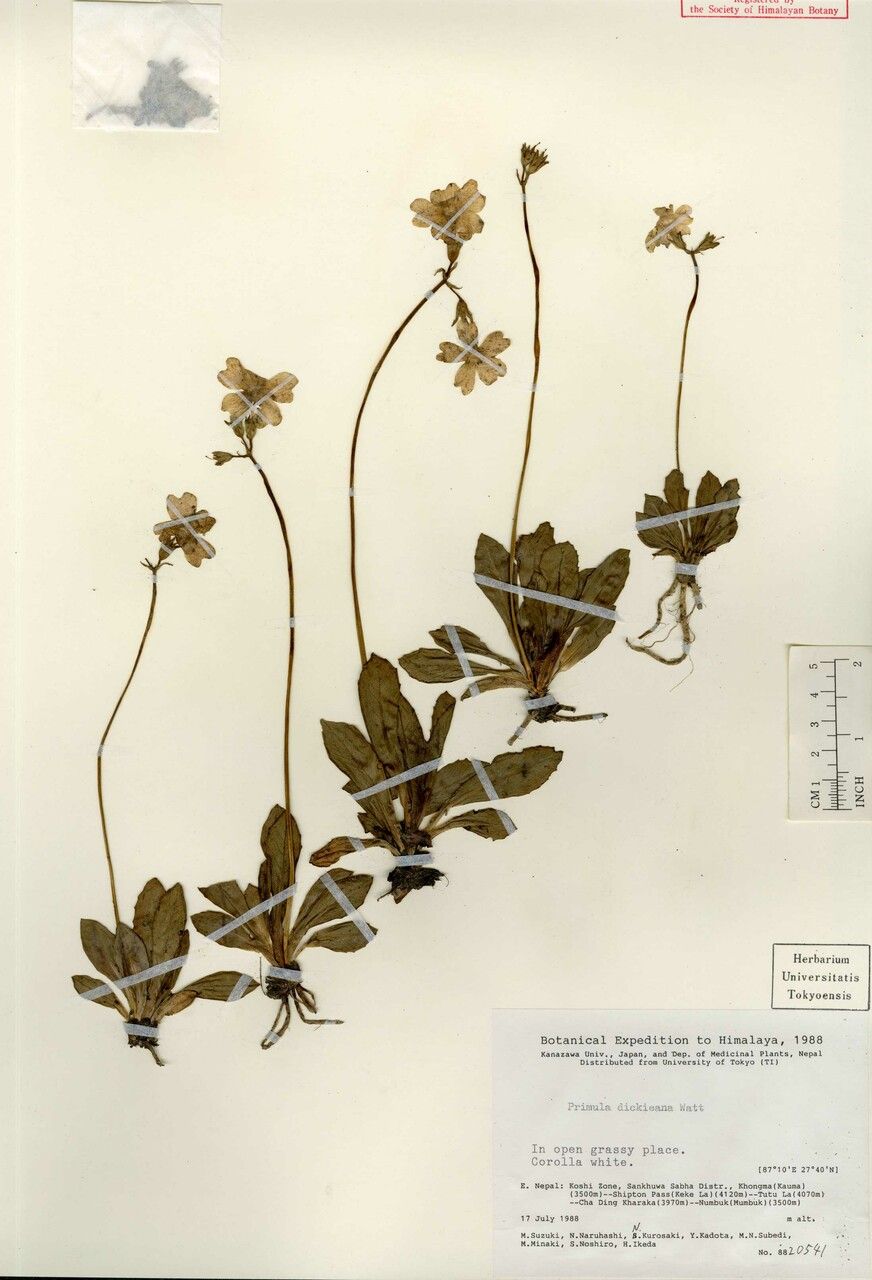
Oh, Primula dickieana! If you’ve ever had the pleasure of seeing this little beauty bloom, you understand the allure. Its delicate, jewel-toned flowers are a welcome sight, especially in the cooler months, bringing a burst of life and color to shaded corners. Propagating these gems yourself is wonderfully rewarding. It’s a plant that can be a little tricky, so don’t be discouraged if your first attempt isn’t perfect. Think of it as a gentle learning curve, and soon you’ll be sharing these charming plants with friends.
The Best Time to Start
For Primula dickieana, I’ve found the spring or early summer, just after flowering has finished, is the sweet spot. The plant is gearing up for active growth, and the new shoots are robust enough to take. Waiting until the plant has recovered from blooming ensures you’re not stressing it out too much.
Supplies You’ll Need
Here’s a quick rundown of what you’ll want to have on hand:
- Sharp, clean pruning shears or a sharp knife: For making precise cuts. Sterilize them with rubbing alcohol between cuts.
- A well-draining potting mix: I like to use a mix of peat moss, perlite, and a bit of compost. About 50% peat, 25% perlite, and 25% compost works wonders.
- Small pots or seed trays: Cleaned thoroughly and with drainage holes, of course!
- Rooting hormone powder (optional but recommended): It can give cuttings a helpful boost.
- A plastic bag or propagation dome: To maintain humidity.
- A spray bottle: For misting.
- Labels and a marker: To keep track of your new babies.
Propagation Methods: Division is Key
While you might see some talk about cuttings, for Primula dickieana, the most reliable and straightforward method is division. These cheerful plants tend to form clumps of new growth.
- Gently remove the plant from its pot. If it’s in the ground, carefully dig around it.
- Inspect the root ball. You’ll see where individual rosettes or crowns are starting to form.
- Carefully tease apart the root ball. Use your fingers or a clean knife to separate the plant into smaller sections. Each division should have healthy roots and at least one or two leafy shoots. It’s okay if you break a few roots; just try to keep the main root system intact.
- Trim away any dead or damaged leaves or roots. This helps the plant focus its energy on putting down new roots.
- Pot up each division. Plant them in your prepared potting mix, ensuring the crown of the plant is at soil level. Don’t bury it too deep.
- Water gently but thoroughly. You want the soil to be moist but not waterlogged.
- Place the pots in a shaded, protected area. They’ll need a few weeks to establish their roots before you move them into more direct light.
The “Secret Sauce” (Pro Tips)
Now for a couple of things I’ve learned over the years that make a difference:
- Don’t overwater right away. While they need moisture, soggy soil is the fastest way to invite rot. Water when the top inch of soil feels dry.
- Provide a humid environment. A light misting with your spray bottle and covering the pots with a plastic bag or propagation dome will create a mini greenhouse effect, which is crucial for new divisions to take. Just remember to open the bag for a little ventilation daily to prevent fungal issues.
Aftercare & Troubleshooting
Once your divisions are potted up, treat them like any other young plant. Keep them consistently moist but not soggy. You’ll know they’re happy when you start to see new leaves emerging.
The most common issue you might encounter is rot. If you see mushy stems or wilting leaves that aren’t due to dryness, it’s a sign of too much moisture or poor air circulation. If a division succumbs, remove it promptly to prevent it from affecting others. Don’t despair; it happens!
Enjoy the Journey!
It takes patience, I know. Watching a new plant develop from a division is such a quiet joy. Don’t rush the process, and celebrate every new leaf. You’re nurturing life, and that’s a truly wonderful thing. Happy gardening!
Resource:
https://identify.plantnet.org/k-world-flora/species/Primula%20dickieana%20G.Watt/data