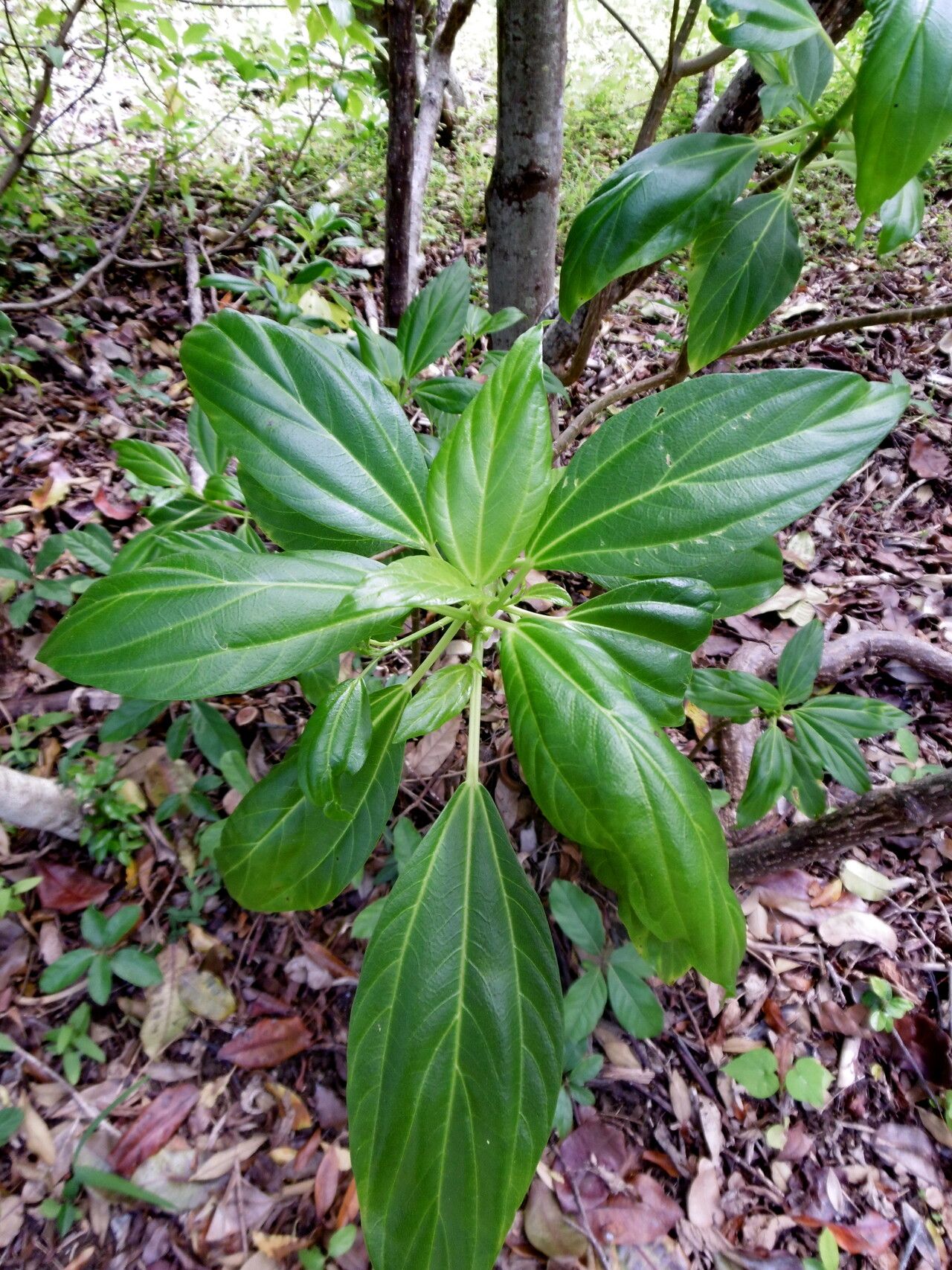
Oh, Pouzolzia laevigata! If you’ve ever admired those gorgeous, textured leaves, you’re in for a treat. This plant brings such a unique coolness to a shady corner, doesn’t it? And the best part? It’s surprisingly rewarding to multiply. I’ve found that propagating it is a delightful project, even for those of you just starting to get your hands dirty. It’s not one of those finicky divas; it’s quite forgiving, actually.
The Best Time to Start
When it comes to Pouzolzia laevigata, I always find spring and early summer to be the golden window. Think of it as the plant waking up and being full of life. During this time, its growth is vigorous, and it has a much better chance of successfully rooting. Waiting until the weather is consistently warm and there’s plenty of bright, indirect light will really set you up for success.
Supplies You’ll Need
Gathering your tools beforehand makes the whole process so much smoother. Here’s what I usually have on hand:
- Sharp pruning shears or a clean knife: For making those all-important clean cuts.
- Rooting hormone (optional but helpful): A little boost can encourage faster root development. I prefer a powdered form.
- Well-draining potting mix: A blend of peat moss, perlite, and a bit of compost works wonderfully. You want it to be airy.
- Small pots or trays: Clean containers with drainage holes are a must.
- Plastic bags or a propagation dome: To create a humid environment for cuttings.
- Watering can with a fine rose: For gentle watering.
Propagation Methods
Pouzolzia laevigata is wonderfully adaptable, and I’ve had great luck with a couple of methods.
Stem Cuttings: This is my go-to. It’s straightforward and yields good results.
- Select a healthy stem: Look for a piece of stem that’s not too woody but not entirely soft either. About 4-6 inches long is a good target.
- Make the cut: Using your sharp shears or knife, make a clean cut just below a leaf node (where a leaf attaches to the stem). This is where root development is most likely to occur.
- Prepare the cutting: Gently remove the lower leaves, leaving just a couple at the top. If your cutting is very long, you can prune it back to encourage bushier growth later.
- Apply rooting hormone (optional): Dip the cut end into rooting hormone powder, tapping off any excess.
- Plant the cutting: Insert the cut end into your well-draining potting mix. Make sure at least one leaf node is buried in the soil.
- Create humidity: Water the soil gently, then cover the pot or tray with a plastic bag or a propagation dome. You want to create a mini greenhouse effect.
Water Propagation: Some folks find this even simpler, and I’ve had success with it too, though I do switch them to soil relatively quickly.
- Take your cutting: The process for taking the cutting is the same as above.
- Place in water: Put the prepared cutting in a jar or glass of clean water. Make sure the leaf nodes where you removed leaves are submerged, but don’t let any leaves touch the water. This is crucial to prevent rot.
- Change water regularly: Replace the water every few days to keep it fresh and oxygenated.
- Wait for roots: You should see small white roots emerging from the submerged nodes within a few weeks.
The “Secret Sauce” (Pro Tips)
Here are a few little tricks that have really upped my propagation game:
- Bottom Heat is Your Friend: Pouzolzia loves a little warmth from below. If you can, place your pots or trays on a seedling heat mat. It can significantly speed up root formation.
- Don’t Overwater! This is probably the biggest mistake beginners make. Cuttings have no roots, so they can’t take up much water. Keep the soil lightly moist, not soggy. A good way to check is to stick your finger about an inch into the soil – if it feels dry, it’s time for a gentle watering.
- Indirect Light is Key: While they love light, direct sun can scorch tender new cuttings. Place them in a bright spot, but where the rays are filtered. An east-facing window is often perfect.
Aftercare & Troubleshooting
Once you start seeing new growth or roots peeking out from the drainage holes, that’s your cue! It’s time to gradually acclimate your new plant.
If you started them in water, carefully transplant them into your well-draining potting mix. Water them in gently. If you started them in soil and they’ve rooted, continue to keep them in their humid environment for another week or two before removing the cover permanently. Gradually introduce them to their final spot.
The most common issue you’ll encounter is rot. This usually happens from overwatering or poor air circulation. If a cutting turns black and mushy, sadly, it’s usually a goner. Don’t be discouraged! Just pull it out, clean up your pot, and try again with a fresh cutting, being extra mindful of watering.
A Encouraging Closing
Propagating plants is a wonderful journey of patience and observation. It’s amazing to witness a tiny piece of a plant transform into a whole new life. So, grab your shears, get your hands a little dirty, and enjoy the process of growing more of these beauties. You’ve got this!
Resource:
https://identify.plantnet.org/k-world-flora/species/Pouzolzia%20laevigata%20Gaudich./data