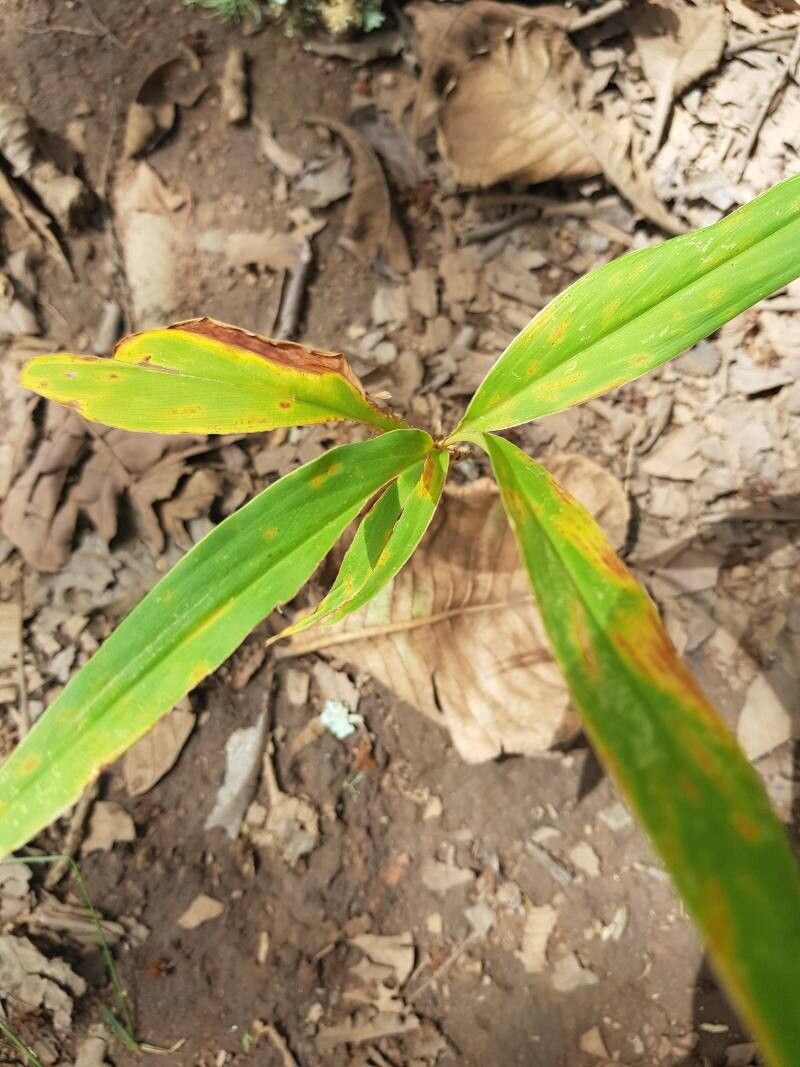
Hello fellow garden enthusiasts! Today, we’re diving into the delightful world of Pollia crispata. If you haven’t met this beauty yet, imagine glossy, evergreen leaves with a subtle, elegant ripple – it’s that touch of sophistication many of us crave in our indoor or shaded garden spaces. Propagating Pollia crispata is wonderfully rewarding. You get more of that beautiful foliage for your home or to share with friends, and honestly, there’s a special kind of joy in watching a tiny snippet transform into a thriving new plant. For those just dipping their toes into the world of propagation, I’d say Pollia crispata is a moderately easy plant to work with, especially if you’re mindful of a few key details.
The Best Time to Start
My favorite time to get my hands dirty with Pollia crispata propagation is in late spring or early summer. This is when the plant is actively growing, so it has plenty of energy to put into rooting. New growth that’s firm but not yet woody is usually the sweet spot. Think of it as taking cuttings when the plant is feeling its most robust – that’s when you’ll see the best success.
Supplies You’ll Need
Gathering your supplies beforehand makes the whole process much smoother. Here’s what I always have on hand:
- Sharp, sterile pruning shears or a clean knife: Essential for making clean cuts that heal well.
- Small pots or seed trays: Clean containers are a must to prevent disease. 3-4 inch pots work well for stem cuttings.
- Well-draining potting mix: I like to use a blend of equal parts peat moss, perlite, and compost. If you can’t find peat, coco coir is a good substitute.
- Rooting hormone (optional but recommended): This significantly speeds up root development. A powder or gel form works.
- Plastic bag or propagation dome: To create a humid environment.
- Watering can or spray bottle: For gentle watering.
- Labels: To remember what you’ve planted (and when!).
Propagation Methods
Pollia crispata is quite amenable to a couple of different propagation techniques.
1. Stem Cuttings (My Preferred Method!)
This is my go-to method for Pollia crispata. It’s efficient and gives you multiple new plants from one parent.
- Select your stem: Look for healthy stems with several sets of leaves. Avoid any that look wilted or are damaged.
- Make the cut: Using your sharp, sterile shears, make a clean cut just below a leaf node (the point where a leaf attaches to the stem). Aim for cuttings that are about 4-6 inches long.
- Prepare the cutting: Gently remove the lower leaves from the bottom half of the cutting. This exposes the nodes where roots will emerge and prevents leaves from rotting in the soil.
- Apply rooting hormone (if using): Dip the cut end of the stem into the rooting hormone, tapping off any excess.
- Plant the cutting: Fill your small pots with your prepared potting mix. Make a small hole in the center with your finger or a pencil. Insert the cutting into the hole, ensuring at least one leaf node is buried beneath the soil surface. Gently firm the soil around the base of the cutting.
- Water gently: Water the soil thoroughly but gently. You don’t want to dislodge the cutting.
- Create humidity: Cover the pot with a clear plastic bag, a propagation dome, or even an upside-down clear plastic bottle. This traps moisture and creates a mini-greenhouse effect. Make sure the leaves don’t touch the inside of the bag if possible – this encourages rot. You can use small stakes to prop the bag up.
- Place in bright, indirect light: Find a spot that gets plenty of light but no direct sun, which can scorch the delicate cuttings.
2. Division (When Your Plant is Mature)
If you have a larger, established Pollia crispata, you can also propagate it by division.
- Gently remove from pot: Carefully tip the parent plant out of its container.
- Examine the root ball: You’ll likely see distinct clumps or offsets forming.
- Separate the clumps: Using your hands or a clean trowel, gently separate the root ball into smaller sections. Each section should have its own roots and at least one healthy shoot. If it’s a bit stubborn, a clean knife can help.
- Pot up the divisions: Pot each division into its own container with your well-draining potting mix, just as you would a new plant.
- Water well and place in a bright spot: Water thoroughly and position in bright, indirect light.
The “Secret Sauce” (Pro Tips)
Here are a couple of things I’ve learned over the years that really make a difference:
- Don’t let the leaves touch the water/soil surface: Whether you’re water propagating (though I find stem cuttings in soil more reliable for Pollia) or in soil, any foliage that sits in excess moisture is a prime candidate for rot. For stem cuttings in soil, trim those lower leaves cleanly.
- Bottom heat is your friend: If you’re serious about propagation and want to speed things up, especially if your home is a bit cooler, a seedling heat mat placed beneath your pots can work wonders. It encourages root development from below without cooking the foliage above.
Aftercare & Troubleshooting
Once you start seeing new growth emerging from your cuttings (this can take a few weeks to a couple of months), it’s a good sign you have roots!
- Gradually acclimate: Slowly start to reduce the humidity by opening the plastic bag a little each day over a week. This helps the new plant adjust to normal conditions.
- Check for roots: You can gently tug on the cutting. If you feel resistance, roots have formed.
- Watering: Continue to water when the top inch of soil feels dry. Avoid overwatering, as this is one of the quickest ways to lose a new plant.
- Troubleshooting – Rot: The most common problem you’ll encounter is rot. If your cutting turns mushy and black, or the leaves start to yellow and drop rapidly, it’s likely rot. This is usually due to too much moisture, poor drainage, or lack of air circulation. Unfortunately, once rot sets in, it’s very difficult to save the cutting. Prevention is key!
- Troubleshooting – No Roots: If after several weeks there’s no sign of life, it might be that the conditions weren’t quite right, or the cutting wasn’t viable. Don’t be discouraged! Just try again.
A Warm Encouraging Closing
Propagating plants is a journey, and it’s okay if not every attempt is a runaway success. Be patient with your Pollia crispata cuttings. Observe them, learn from them, and enjoy the process of nurturing new life. Happy growing!
Resource:
https://identify.plantnet.org/k-world-flora/species/Pollia%20crispata%20(R.Br.)%20Benth./data